
24/7 Customer Support

Free returns

Same-day & Next-day Delivery

Quality Guaranteed

Unlock Your Welcome Offers: FREE Delivery | Up to 80% OFF | Free 30-day JoyPlus trial
Download the APP
For many, a simple jar of pickles or preserves is more than just a condiment; it's a direct link to the comforting, complex flavours of home. Whether you're looking for the perfect savoury congee accompaniments, a crunchy side dish for rice or a specific ingredient for a family recipe, the world of Asian pickles and preserves is vast and delicious. However, navigating the options available in the UK can be tricky. Marketing buzzwords and unfamiliar labels can lead to disappointing purchases that miss the mark on authenticity and quality.
As a Joybuy Product Recommendation Officer, my role is to help you sidestep these common issues. We'll break down what really matters when selecting these pantry staples, ensuring you get the genuine taste and texture you're looking for without the guesswork.
Finding authentic flavours shouldn't be a gamble. Yet, many shoppers end up with products that don't meet their expectations. Here are two frequent traps to be aware of:
To avoid these pitfalls, focus on a few key product characteristics. These details on the label will tell you more about the product's true nature than any marketing slogan.
The method used to preserve the food is the single most important factor determining its taste and texture.
Always scan the ingredient list. It reveals the product's true character. For preserved vegetables, look for the specific type mentioned, such as mustard stems, daikon radish or napa cabbage. For spicy varieties, check if the ingredients include actual chilli, Sichuan pepper or a generic "spice mix." An authentic product will list specific, traditional components.
The description of the cut provides clues about its intended use and texture. "Sliced" bamboo or radish is ready for stir-fries or soups. "Whole" gherkins or garlic offer a firm bite. For items like Chinese pickled vegetables, look for terms like "crisp" or "crunchy" in the description, as this is a key quality marker.
To help you choose with confidence, we've matched some excellent options to different needs and tastes.
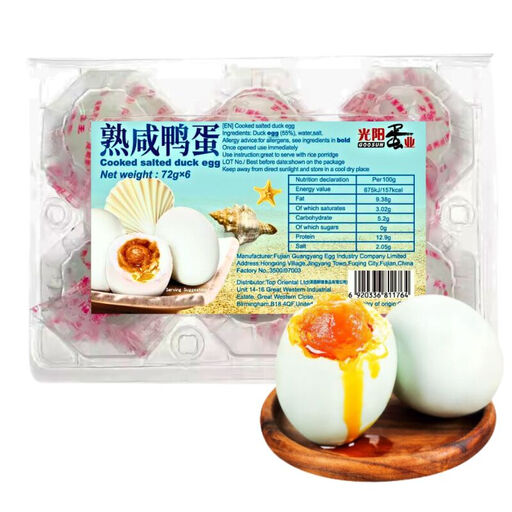
Why This Fits Their Persona: For those seeking the ultimate comfort food pairing, the salted duck egg is a non-negotiable. It's the classic savoury partner for a bowl of plain congee or rice, providing a rich, umami flavour that requires no preparation.
This product delivers on the promise of a traditional salted egg. The description specifies a "rich, oily and sandy yolk," hitting the key quality markers that connoisseurs look for, avoiding the disappointment of a dry or overly salty yolk.
Individually vacuum-packed for hygiene and freshness. The traditional yellow clay curing method ensures an authentic flavour and texture.

Why This Fits Their Persona: For those who love adding a punch of flavour to everything from noodles to stir-fries, this is an essential pantry item. It's a versatile condiment that provides instant complexity, heat and texture, making it perfect for experimenting in the kitchen.
Lao Gan Ma is an iconic brand for a reason. It delivers the authentic, fragrant and spicy Sichuan flavour it's famous for, sidestepping the "not really spicy" trap. The crisp pickled mustard stems hold their texture in the signature chilli oil.
Combines crunchy texture with the globally recognised Lao Gan Ma chilli oil flavour. Extremely versatile as both a ready-to-eat side and a cooking ingredient.
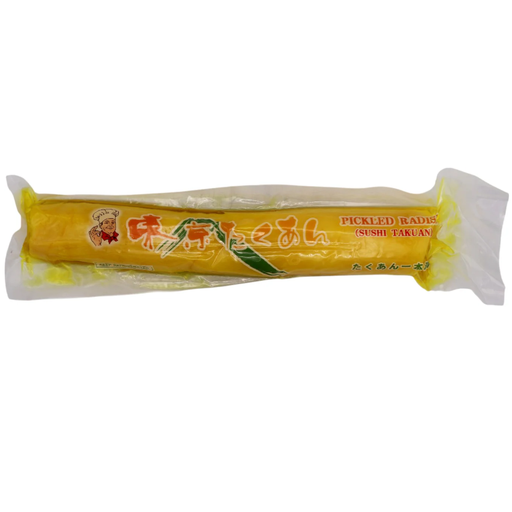
Why This Fits Their Persona: Anyone assembling a bento box, serving ramen or enjoying a Japanese curry knows that a side of crunchy, yellow pickled radish is essential. It acts as a palate cleanser and adds a refreshing textural contrast.
This is a classic ipponzuke-style takuan, focusing on the traditional salty-sweet balance and all-important crunch. It avoids the "mushy texture" pitfall by using daikon radish known for its firmness, ensuring a satisfying bite every time.
Authentic Japanese ipponzuke style with a crisp, firm texture. The balanced salty and subtly sweet flavour profile is ideal for complementing a wide range of Japanese dishes.
We have compiled a complete, real-time list of products that fully satisfy these strict selection criteria and UK safety regulations.
This varies significantly by type. As a general rule, oil-based preserves like Lao Gan Ma pickles can last for several weeks or even months in the fridge, as the oil acts as a barrier. Brine-based products like pickled mustard greens or Japanese takuan should be kept refrigerated with the contents submerged in the liquid and are typically good for one to two weeks. Fermented products like Korean kimchi will continue to sour over time but remain safe to eat for weeks if stored correctly. Always refer to the storage instructions on the package.
Not at all. The world of Asian pickles and preserves is incredibly diverse in flavour. While many people are familiar with spicy options like kimchi or Sichuan-style pickles, there are just as many non-spicy varieties. Salted duck eggs are purely savoury, Japanese takuan is salty-sweet, and many Chinese pickled vegetables are simply sour or salty. The product name or ingredient list will almost always indicate if chilli is a primary flavour.
While both are popular preserved vegetable side dishes, they are quite different. Chinese pickled mustard greens are typically preserved in a salt brine, sometimes with oil, sugar or chilli. The flavour is primarily salty and savoury, and the texture is valued for its crunch. Korean kimchi, on the other hand, is a fermented product, most commonly made with napa cabbage. The fermentation process, along with ingredients like Korean chilli powder (gochugaru), garlic, ginger and often fish sauce or salted shrimp, gives it a complex flavour that is sour, spicy, savoury and full of umami.