
24/7 Customer Support

Free returns

Same-day & Next-day Delivery

Quality Guaranteed

Unlock Your Welcome Offers: FREE Delivery | Up to 80% OFF | Free 30-day JoyPlus trial
Download the APP
Buying Asian pickles online can be deceptively difficult. A small jar may be intended as a ready-to-eat side dish, while a larger pouch may require rinsing and cooking. Product names can also be broad: “mixed pickle”, “preserved vegetable” and “fermented cabbage” may describe very different flavours, textures and storage needs.
Three common pitfalls are worth avoiding:
For quick meals, look for ready-to-eat pickles with clear serving instructions. These can be drained and served with rice, noodles, congee, grilled meats or bento-style meals.
Cooking-oriented products are usually sold in larger packs and may need preparation. For example, shredded Chinese pickled vegetables can be rinsed to reduce saltiness, drained and then added to stir-fries, soups, dumpling fillings or braised noodles. Check the label carefully rather than assuming every jar can be eaten directly.
The main ingredient often tells you more than the product name:
If texture matters, look for terms such as “shredded”, “whole”, “crunchy” or “crisp”. A whole radish is convenient for slicing, while shredded mustard greens can go directly into a recipe.
Before placing an order, check:
The following selection covers different uses, pack sizes and flavour preferences. Product information and ingredients should always be checked against the packaging supplied.
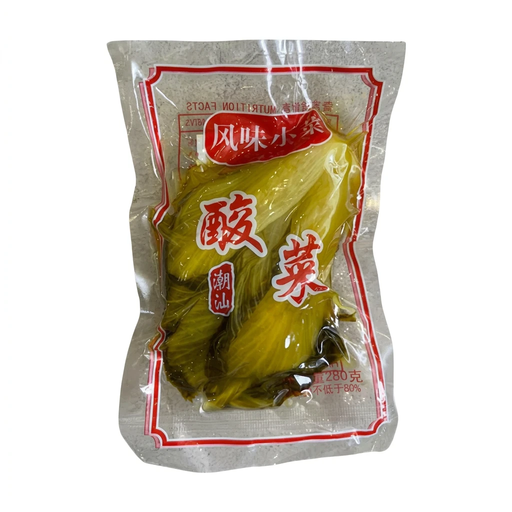
Why This Fits Their Persona: A manageable 280g pack for shoppers trying pickled mustard greens with rice, noodles or simple home-cooked dishes.
The ingredient list identifies mustard greens as 85%, making the vegetable content easy to assess. Check the sulphite information before purchase.
280g format; mustard greens, water and salt are listed with preservatives and colour clearly declared.
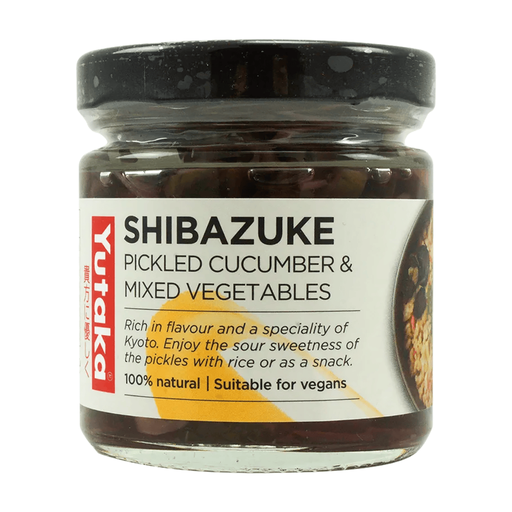
Why This Fits Their Persona: Suits shoppers seeking a Japanese pickle with a mixed vegetable format, red shiso notes and a smaller serving-sized pack.
The listing specifies cucumber, aubergine, ginger and shiso rather than relying only on the broad term “mixed pickles”.
110g pack; ready to eat; designed for serving with rice, noodles or main dishes; requires refrigeration at 0°C to 4°C.
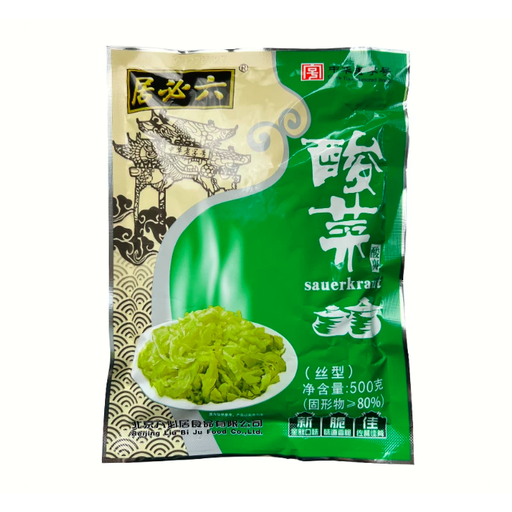
Why This Fits Their Persona: The 500g pack works for regular home cooks, shared households and restaurants using preserved vegetables across several recipes.
Its instructions explicitly require rinsing, draining and cooking, reducing the risk of using a cooking ingredient as a cold side dish.
Shredded Chinese cabbage format; suitable for stir-fries, stews, dumpling fillings and braised noodles; contains sulphites.
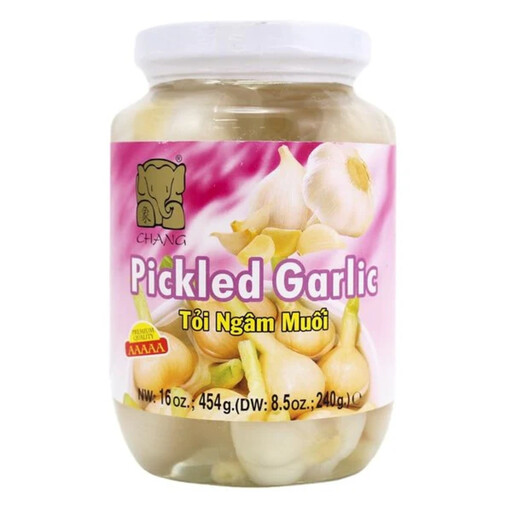
Why This Fits Their Persona: A larger jar for households or food businesses serving Thai-style rice, noodle soups, grilled meats and curries regularly.
The jar states that it is ready to use and provides clear post-opening refrigeration guidance, including a four-week consumption period.
454g jar; whole garlic cloves; ingredients include 50% garlic, water, salt and sugar; contains sulphites.
We have compiled a complete, real-time list of products that fully satisfy these strict selection criteria and UK safety regulations.
Drain brined products before serving to control texture and intensity. If a pickle tastes too salty, follow the label’s guidance on rinsing; do not rinse products that are supplied with a separate seasoning oil unless your recipe allows for it.
Keep opened jars sealed and refrigerated where instructed. Use clean utensils to reduce contamination, avoid leaving products at room temperature for extended periods and discard anything showing an unusual smell, mould or sliminess. Always follow the best-before date, storage instructions and allergen information on the packaging.
Some are, but not all. Pickled garlic, Japanese shibazuke, umeboshi and several seasoned vegetable products are listed as ready to eat. Products such as Chinese pickled cabbage may require rinsing and thorough cooking. Check the usage instructions on each item.
It varies by product. Some recommend refrigeration and consumption within one week, while Chang Pickled Garlic gives a four-week period when refrigerated. The packaging instructions take priority because brine, acidity, ingredients and format differ.
Not automatically. Mustard, soya, wheat, fish and sulphites are found in several products. Kimchi may contain fish sauce, while seasoned Chinese vegetables may contain soya sauce or wheat. Read the full UK allergen declaration before buying.