
24/7 Customer Support

Free returns

Same-day & Next-day Delivery

Quality Guaranteed

Unlock Your Welcome Offers: FREE Delivery | Up to 80% OFF | Free 30-day JoyPlus trial
Download the APP
Shopping for Asian preserved foods online can be a convenient way to find familiar flavours, discover new ingredients and stock up on cupboard essentials. However, jars, pouches and individually packed snacks can vary considerably in taste, storage requirements and nutritional content.
The label “traditional” or “authentic” does not tell you everything you need to know. Before buying preserved fruit, fruit jam, fruit conserve, pickles and chutneys or fermented vegetables, check the details that affect how the food will fit into your kitchen.
Product descriptions often show a pickle with rice, noodles or grilled meat. That demonstrates possible uses, but it does not confirm the product’s flavour balance or contents. A lime and chilli pickle may contain substantial sugar as well as fruit and spices, while a preserved fruit snack may be sweetened and softened with syrups.
Always review the full ingredients list and look for the percentage of the main ingredient. For example, the MUSHAN BASE Pineapple Preserved Fruit lists pineapple at at least 75%, whereas jams and conserves may contain around 50g of fruit per 100g.
Preservation commonly relies on salt, sugar, vinegar, oil or a combination of these. This can create a concentrated taste, but it also means two products in the same category may have very different nutritional profiles.
Japanese umeboshi, for instance, is known for a sharp, salty flavour. The MARUI SHISO UMEBOSHI listing states 25g of salt per 100g, so it is more suitable as a small-accent ingredient than something to eat in large portions. Similarly, a fruit jam or conserve can contain approximately 59–67g of sugar per 100g, depending on the product.
Some foods are shelf-stable until opened, while others need refrigeration straight away. An ambient pouch of Korean kimchi can suit smaller households or occasional use, but a large jar of chutney may be less practical if you only use a spoonful with weekend meals.
Check the best-before date, storage instructions and after-opening guidance before adding an item to your basket. Packaging information should take priority because recipes and instructions may change.
Decide whether you want a ready-to-eat snack, a cooking ingredient or an accompaniment.
Look for the main ingredient near the start of the list, then consider the role of salt, sugar, vinegar, oil and flavour enhancers.
UK shoppers should check allergens highlighted on the packaging. Relevant ingredients across this category can include mustard, soya, wheat, barley, sulphites and egg.
For example, piccalilli may contain barley, mustard and sulphites. Some preserved vegetables use soya sauce containing soya and wheat, while preserved duck eggs are unsuitable for anyone avoiding egg. “Vegetarian” or “no allergens listed” should not replace checking the current label.
A 50g individually packed snack can be useful for work or travel, while a 300g pickle jar may offer more portions for family meals. Consider:
These practical details often matter more than front-of-pack descriptions.
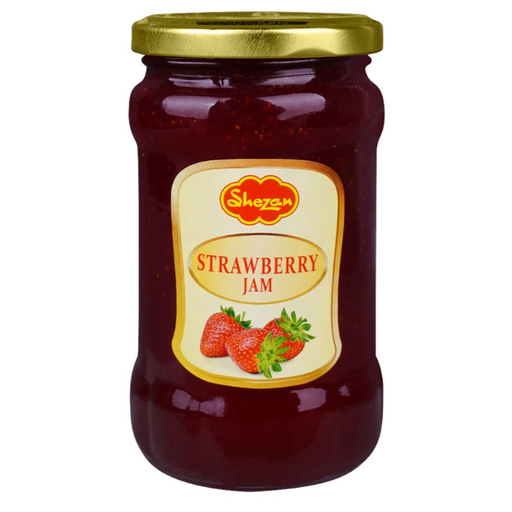
Why This Fits Their Persona: A familiar 370g format suits shoppers building a practical breakfast cupboard, with enough jam for toast, sandwiches or simple baking.
The listing states 25% strawberry pulp and provides nutrition and additive information, helping you assess the product beyond its fruit-focused packaging.
370g pack; suitable for vegetarians; refrigerated storage after opening.
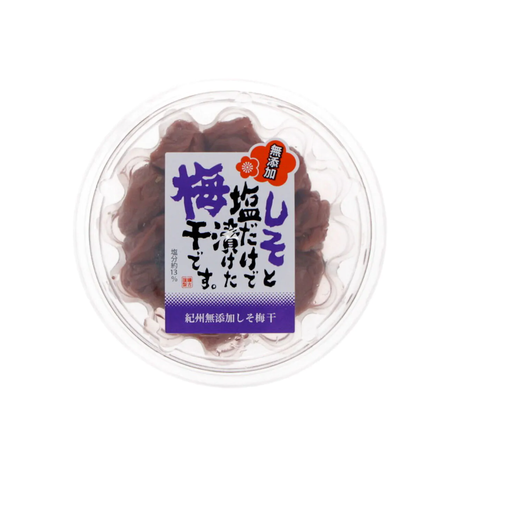
Why This Fits Their Persona: Designed for cooks seeking a distinctive Japanese ingredient for rice, onigiri, dressings or cheese pairings rather than a general snack.
The ingredients identify pickled plum and 4% perilla, while the listing clearly flags very high salt content and plum stones.
Ready to eat; made in Japan; suitable for chopping into sauces and rice dishes.

Why This Fits Their Persona: A compact option for ramen, rice bowls, stir-fries and stews, particularly useful when fridge space or consumption speed is limited.
The product is clearly listed as ambient, with sliced salted napa cabbage at 76.2% and an instruction to consume promptly after opening.
150g convenient pack; sliced format; contains red pepper, garlic, ginger and spring onion.
We have compiled a complete, real-time list of products that fully satisfy these strict selection criteria and UK safety regulations.
For a sharp accompaniment to samosas, naan or curry, Geetas Lime & Chilli Pickle Chutney 230G lists limes at 49% and green chillies at 10%, alongside mustard seeds and fenugreek. Since it contains mustard and has notable sugar and salt values, check the label if you are managing allergens or comparing nutritional information.
For a traditional British option, Bartons Piccalilli 439g combines cauliflower and onions with malt vinegar, mustard and turmeric. It can be served with sandwiches, salads or cold meats, but contains barley, mustard and sulphites.
Those seeking preserved duck eggs can compare products such as GOOSUN or Xu Ri. Both are ready to eat after shelling and can be served with congee, tofu or cold salads. Check the egg allergen declaration and use the storage instructions supplied with the specific pack.
They can be eaten as snacks or used to add sweetness, acidity, salt, spice or texture to meals. Common examples include Japanese umeboshi with rice, Korean kimchi with noodles and rice bowls, preserved vegetables with congee and fruit preserves in desserts or breakfast dishes.
Not always. Many unopened jars, cans and sealed pouches can be stored in a cool, dry cupboard. After opening, jam, chutney, pickles and kimchi may require refrigeration or prompt consumption. Always follow the product label rather than relying only on the food category.
Select smaller packs or individually wrapped portions, especially for strong-flavoured products used sparingly. Compare the best-before date, opening instructions and serving ideas, then choose a product that matches meals you already prepare. This helps reduce waste while building useful world food cupboard essentials.