
24/7 Customer Support

Free returns

Same-day & Next-day Delivery

Quality Guaranteed

Unlock Your Welcome Offers: FREE Delivery | Up to 80% OFF | Free 30-day JoyPlus trial
Download the APP
Shopping for Asian preserves, jams and condiments can be surprisingly difficult. A familiar-looking jar may be intended for breakfast, cooking, snacking or serving alongside rice, yet the front label does not always make that clear. Imported products can also use different naming conventions, pack sizes and flavour descriptions.
The most useful approach is to look beyond marketing language and compare the product’s ingredients, storage instructions, allergens, quantity and intended use.
A fruit jam or fruit conserve may contain a substantial proportion of fruit while still being high in sugar. For example, the listed nutrition information for several 370g fruit conserves shows around 59g of sugars per 100g. That does not make them unsuitable, but it does mean they are more appropriate as a spread or recipe ingredient than as a large everyday serving.
Check both the fruit percentage and the nutrition panel. Bonne Maman Wild Blueberry Conserve, for example, lists 50g of blueberries per 100g and 59g of sugar per 100g. Shezan Strawberry Jam lists 25% strawberry pulp and 67g of sugar per 100g.
Some products are breakfast spreads, while others are intensely seasoned side dishes. Mango chutney, tamarind sauce, mixed pickle and pickled vegetables are generally used in small portions with savoury meals. Japanese umeboshi is also highly salty and sour, so it is commonly chopped into rice, dressings or sauces rather than eaten like strawberry jam.
Read the serving suggestions before ordering several jars. A product described as a preserve may be a chewy snack, a cooking ingredient or a condiment.
Shelf stability varies considerably. Some unopened jars can be stored in a cool, dry cupboard, but need refrigeration after opening. Others should be consumed promptly once opened. A large bottle or jar may appear economical, but it can represent poor value if your household only uses small quantities.
Always check the stated best-before date, storage conditions and recommended use-after-opening period. This is especially important for egg-based products, pickled vegetables and spreads containing coconut or dairy-style ingredients.
Compare the ingredient list rather than relying on terms such as “traditional”, “natural” or “premium”. A product may contain preservatives, acidity regulators, colourings, sweeteners or flavourings. These are not automatically a problem, but they should be visible before purchase.
For UK shoppers, allergen information is particularly important when buying international food. Examples include:
If you are buying for someone with an allergy or intolerance, check the product page and packaging on arrival, as formulations can change.
Fruit jam, apricot conserve, peach conserve and black cherry conserve are sweet spreads, so compare sugar per 100g rather than judging by fruit imagery. Conversely, pickles, umeboshi and savoury preserved foods can contain considerably more salt.
MARUI SHISO UMEBOSHI lists 25g of salt per 100g, while Ji Xiang Ju Crispy Bamboo Shoots lists 1.8g per 100g. These products are designed for small portions and strong flavour. Use the stated serving suggestion as a practical guide.
A 170g blueberry jam may suit occasional toast or baking, whereas a 370g jar is more suitable for regular breakfast use. Larger formats such as an 830g tamarind sauce can work for families, frequent cooking or batch preparation, but may take longer to use after opening.
For authentic home cooking, consider whether you need:
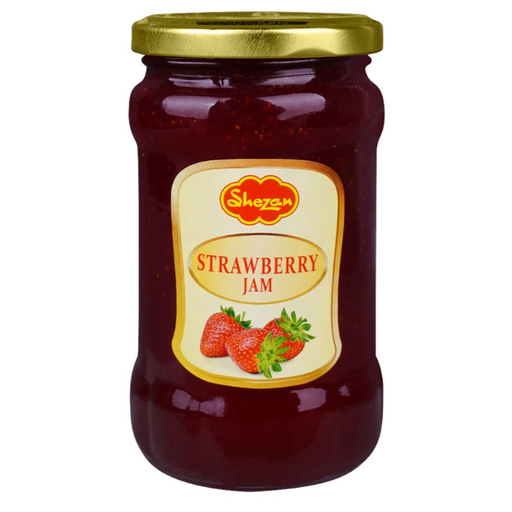
Why This Fits Their Persona: A familiar 370g format for shoppers seeking a straightforward strawberry jam for toast, snacks and simple baking.
The listing identifies 25% strawberry pulp, permitted preservative E-202 and colour E-122, making the formulation easier to assess before buying.
370g jar; suitable for vegetarians; storage instructions include refrigeration after opening.
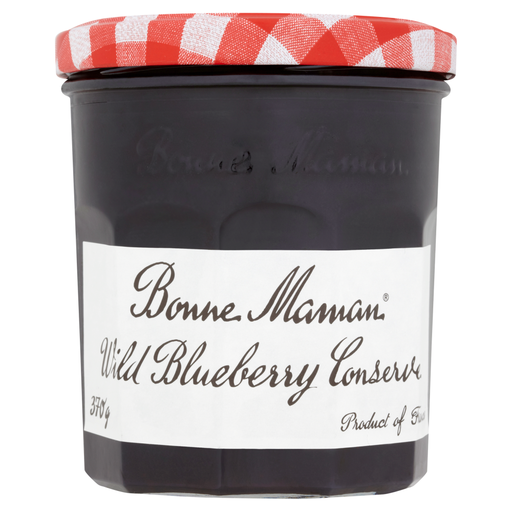
Why This Fits Their Persona: Suits shoppers wanting a fruit-led blueberry spread for breakfast, afternoon tea, yoghurt or baking.
The listed recipe specifies blueberries, lemon juice and pectin, with 50g of blueberries per 100g and no declared allergens.
370g format; 241 kcal and 59g sugar per 100g as listed; refrigerate after opening.
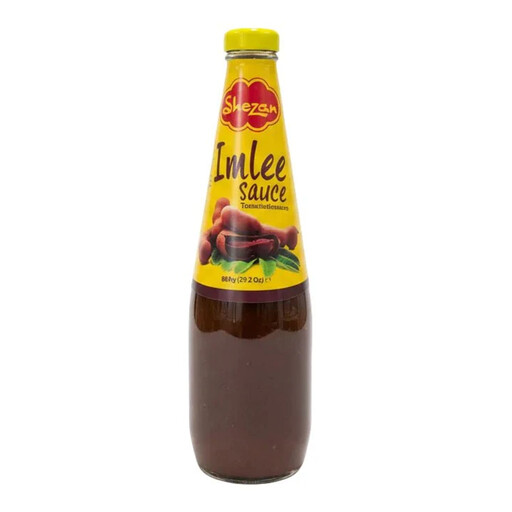
Why This Fits Their Persona: The larger bottle fits households that regularly prepare marinades, dressings, dipping sauces and South Asian meals.
The label states 25% tamarind paste, 26g sugar and 3.1g salt per 100g, helping frequent users plan portions.
830g quantity; suitable for vegetarians and vegans; refrigerate after opening.
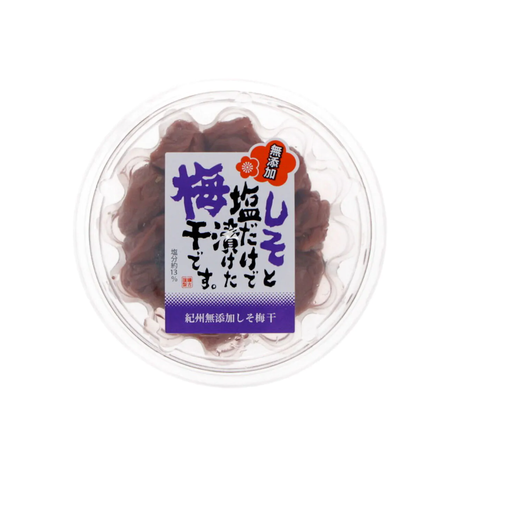
Why This Fits Their Persona: Designed for shoppers recreating Japanese rice dishes, onigiri, bento meals, dressings or savoury accompaniments at home.
The product information clearly identifies a very high salt content and warns that plum stones may be present.
Contains pickled plum and 4% pickled perilla; ready to eat; refrigerate after opening.
We have compiled a complete, real-time list of products that fully satisfy these strict selection criteria and UK safety regulations.
For breakfast, compare fruit content, sweetness and jar size. Blueberry jam, strawberry jam, apricot conserve, peach conserve and black cherry conserve work well on toast, porridge, pancakes and in baking. Lemon curd provides a sharper citrus flavour but contains egg, so check the allergen panel.
For savoury meals, start with the cuisine and texture you need. Mango chutney pairs with poppadums and cheese, while tamarind sauce suits dipping and marinades. Mixed pickle and pickled vegetables add acidity and crunch to rice, noodles and porridge. Preserved duck eggs can be peeled and sliced into congee, tofu salads or cold dishes.
For snacking, consider smaller portions and ingredient warnings. Chinese preserved fruit may contain sweeteners, colourings or preservatives, while preserved pineapple can contain sulphites. Kaya coconut spread is a sweet, aromatic option for toast, but its egg and wheat content makes label checking essential.
There is no single lifespan for every product. Follow the jar’s instructions: many fruit spreads require refrigeration after opening, while some unopened products can remain in a cool, dry cupboard. Use clean utensils, keep the lid sealed and check for changes in appearance, smell or texture.
They can be used regularly as part of varied meals, but portion size matters. Products such as umeboshi, mixed pickle and chilli-based preserved vegetables can be high in salt. Use small amounts to add flavour and check the nutrition panel when comparing alternatives.
Jam is generally a sweet fruit spread. A conserve may contain visible or higher quantities of fruit and is also used on toast or in baking. Chutney combines fruit or vegetables with sugar, acid, salt and spices, creating a sweet-savoury accompaniment for meals. Always check the ingredients and serving suggestions, as terminology can vary between products.