
24/7 Customer Support

Free returns

Same-day & Next-day Delivery

Quality Guaranteed

Unlock Your Welcome Offers: FREE Delivery | Up to 80% OFF | Free 30-day JoyPlus trial
Download the APP
Buying Asian rice online in the UK can look straightforward until you compare grain names, cooking methods, pack sizes and texture descriptions. A bag labelled “sticky”, “jasmine” or “premium” may not suit the recipe you have planned.
Whether you are preparing biryani, sushi, Thai curry, Korean meals or quick weekday lunches, the right choice depends on practical details rather than attractive packaging. This guide explains the main buying traps, the specifications worth checking and a selection of Asian rice products matched to different household needs.
“Sticky rice” can refer to glutinous rice, short-grain rice or simply cooked rice with a soft texture. Thai glutinous rice is traditionally soaked and steamed, while sushi rice is rinsed and cooked before being seasoned with vinegar. They produce different results.
Using ordinary jasmine rice for mango sticky rice, or glutinous rice for fluffy pilau, can lead to the wrong texture even when the dish remains edible.
A 10kg bag may offer practical value for a large family, caterer or frequent batch cook. However, it can be inconvenient for a small household if storage is limited or the rice is used only occasionally. Smaller 500g and 1kg packs are useful for testing unfamiliar varieties, although the cost per kilogram may be higher.
Microwaveable rice and instant rice are already cooked and designed for immediate heating. Dried rice requires rinsing, measuring and cooking. These are not direct substitutes in terms of preparation time, storage after opening or portion control.
Always check whether the pack states “cooked”, “ready to eat” or “cooking required”. Follow the label instructions, particularly for heating and storage.
White rice has had the bran layer removed, while brown rice retains more of the outer grain layers and usually takes longer to cook. Thai brown jasmine rice provides an aromatic wholegrain option, but the cooking ratio and resting time can differ from white jasmine rice.
Coloured varieties also have distinct uses. Black rice, black jasmine rice and black glutinous rice can add colour and a chewy texture to desserts, mixed rice dishes and salads. Red cargo rice retains its reddish bran layer and needs thorough cooking. These varieties should be selected for their texture and recipe compatibility rather than generalised health promises.
Check the following before adding rice to your basket:
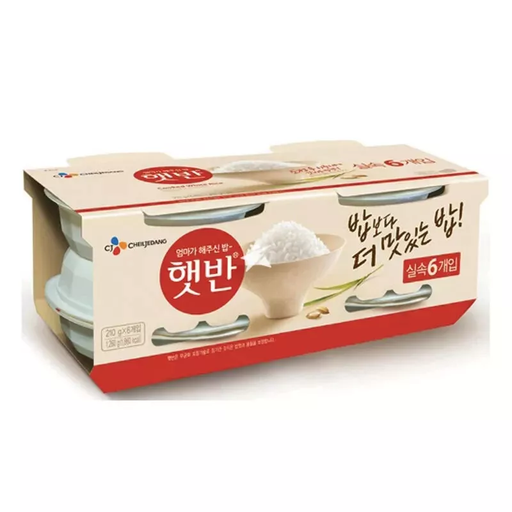
Why This Fits Their Persona: Six 210g portions provide a straightforward way for students, renters and busy households to keep cooked rice available without buying a large dry-rice sack.
It is clearly presented as cooked microwaveable rice, so there is no confusion with a raw long-grain or short-grain ingredient.
Each pack contains cooked white rice and is designed for microwave preparation; the listed ingredients are cooked white rice and rice bran extract.
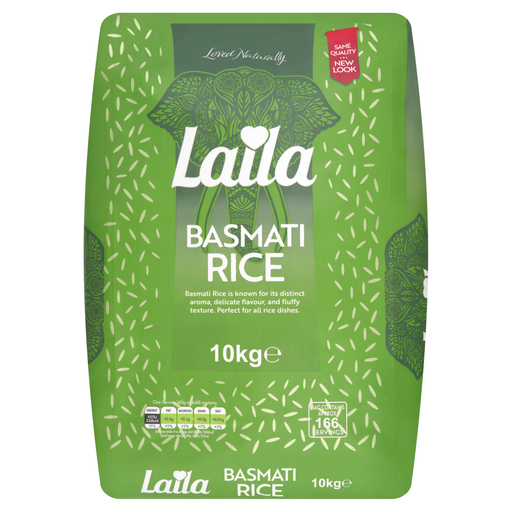
Why This Fits Their Persona: Regular cooks and larger UK households can choose a substantial pack for biryani, pilau, curries and batch cooking.
The pack identifies 100% pure basmati rice and a 10kg quantity, making the grain type and purchase commitment clear before checkout.
It is a long-grain rice supplied in a bulk format, with storage guidance recommending a cool, dry place and an airtight container after opening.

Why This Fits Their Persona: Caterers, meal-preppers and households cooking biryani or pilau regularly may value a 5kg parboiled rice format.
The description specifies parboiled long-grain rice, rather than leaving shoppers to infer the cooking behaviour from the word “basmati” alone.
The 5kg pack is suitable for repeated cooking, and the product information lists a parboiled long-grain format for dishes requiring separate grains.
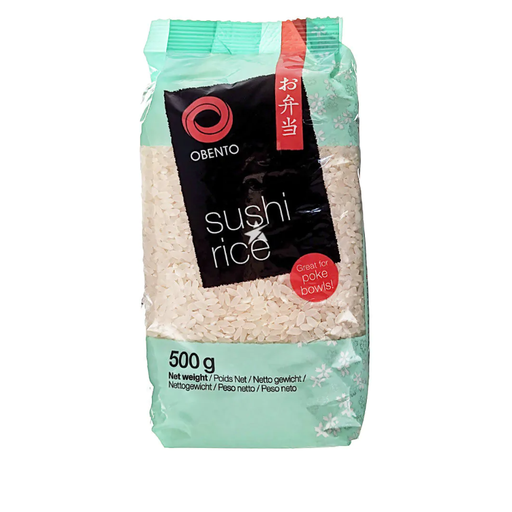
Why This Fits Their Persona: Home cooks making sushi, onigiri or Japanese-style rice bowls can start with a compact 500g pack.
It is identified as premium short-grain sushi rice, so the intended use is clearer than with a generic short-grain label.
The instructions include a 1:1.1 rice-to-water ratio and seasoning guidance for sushi preparation.
We have compiled a complete, real-time list of products that fully satisfy these strict selection criteria and UK safety regulations.
Basmati rice is commonly paired with South Asian curries because its long grains are suited to a lighter, more separate texture. Jasmine rice is a practical choice for Thai curries and other Southeast Asian dishes where a fragrant, softer grain is preferred.
Dried rice usually offers more portions per kilogram, particularly in 5kg or 10kg bags. Microwaveable rice costs more per serving but can reduce preparation time, washing-up and food waste when you need one portion quickly. Compare both the pack size and the number of servings before deciding.
Use the best-before information on the packaging and store the rice in a cool, dry place. Once opened, an airtight container helps protect quality. Brown and coloured rice varieties may benefit from particularly careful storage because their retained outer layers can affect shelf-life. Always inspect the product and follow the label guidance before cooking.