
24/7 Customer Support

Free returns

Same-day & Next-day Delivery

Quality Guaranteed

Unlock Your Welcome Offers: FREE Delivery | Up to 80% OFF | Free 30-day JoyPlus trial
Download the APP
Navigating the world of Asian rice cakes can be a delightful journey of flavour and texture, but it's not without its potential missteps. Whether you're an adventurous foodie looking to recreate a fiery tteokbokki or simply seeking a satisfyingly crunchy snack, the sheer variety can be overwhelming. As a Joybuy Product Recommendation Officer, my role is to help you understand the key differences so you can make a choice you'll be happy with.
Many shoppers find themselves disappointed after their first purchase, often due to a few common pitfalls. Let's look at what they are and how to sidestep them.
To ensure you get exactly what you want, focus on a few core parameters. This will help you filter through the options and find the perfect product for your needs when you buy Asian snacks online UK.
This is the first and most important distinction to make.
The primary grain used has a significant impact on the final texture.
Look beyond just "spicy" or "savoury."
To help you choose, here are a few options from our catalogue, matched to different tastes and uses.
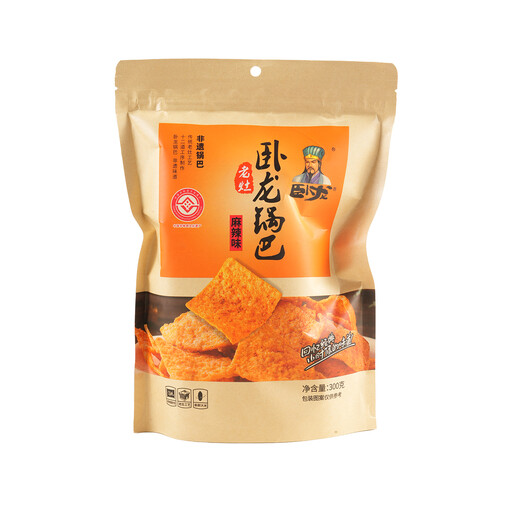
Why This Fits Their Persona: For those who actively seek out authentic, bold flavours, this snack delivers the genuine numbing and spicy 'mala' sensation of Sichuan cuisine, moving far beyond a generic chilli heat. It's perfect for pairing with a cold beer while watching a film.
It clearly states 'Mala' flavour, managing expectations and avoiding the 'spicy gamble'. The low-temperature baking process also ensures a non-greasy, satisfyingly thick crunch, preventing texture disappointment.
Made with a high millet content (≥65%) for a hearty, nutty texture. It offers an authentic spicy and numbing flavour profile that is hard to find in mainstream UK snacks.
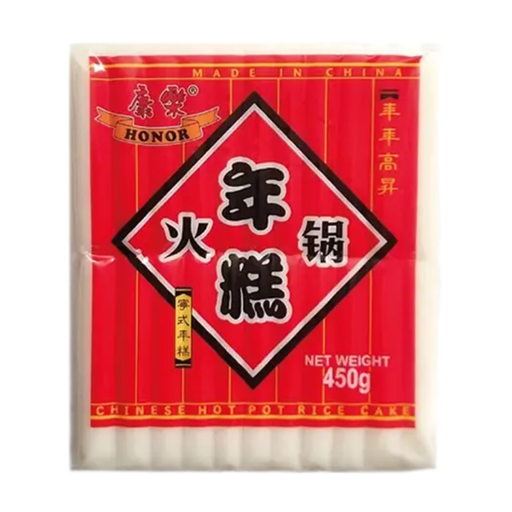
Why This Fits Their Persona: This is for the person who loves recreating authentic East Asian meals at home. These cylindrical rice cakes are the perfect blank canvas, designed to be simmered in a flavourful broth or stir-fried in a spicy sauce.
This product clearly avoids the 'snack vs. ingredient' pitfall. It is explicitly labelled as 'Hot Pot Rice Cake' and requires cooking, ensuring the buyer knows exactly what they are getting: a versatile cooking component.
Its firm texture is designed to hold up well in hot pot without becoming mushy. It's also highly versatile and can be used for soups, stir-fries or as an authentic base for Korean rice cakes for tteokbokki.
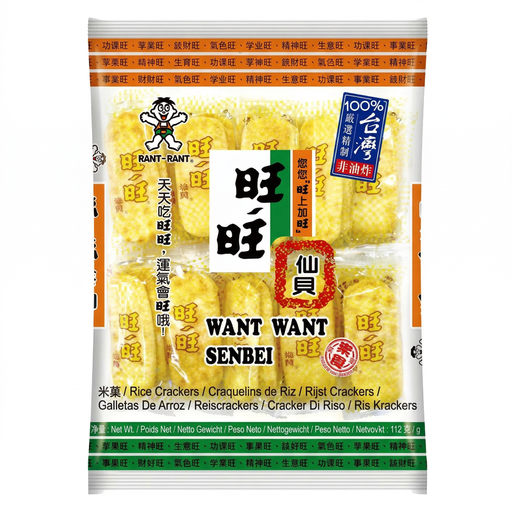
Why This Fits Their Persona: This is a go-to choice for anyone needing a reliable, crowd-pleasing snack. Its subtle sweet and salty flavour is popular with both adults and children, making it ideal for lunchboxes, office snack drawers or enjoying with a cup of tea.
This cracker has a well-defined, classic flavour profile, completely avoiding the 'spicy gamble'. The description as a 'baked rice cracker' accurately sets expectations for its light, crispy texture.
These are a trusted, recognisable brand of Chinese rice crackers. The light, crispy texture and balanced sweet-savoury taste make them a consistently popular choice for all ages.
We have compiled a complete, real-time list of products that fully satisfy these strict selection criteria and UK safety regulations.
Here are answers to a few common questions UK shoppers have about Asian rice cakes.
Cooking Korean rice cakes for tteokbokki is straightforward. If the cakes are frozen or very hard, it can be helpful to soak them in cold water for 10-20 minutes to soften them slightly, though some can be cooked from frozen. Add them directly to your simmering tteokbokki sauce and cook for 5-8 minutes. They are ready when they have softened all the way through and have a pleasant, chewy texture.
Once opened, the biggest enemy of rice crackers is moisture, which makes them lose their crispness. To keep them fresh, transfer them to an airtight container and store them in a cool, dry place away from direct sunlight. For the best texture, it's a good idea to consume them within a week of opening.
Whether one is "healthier" depends on your personal dietary goals. Millet crisps are made from a different grain and will have a different nutritional profile than crackers made from white rice. Millet is a whole grain that contains fibre and various nutrients. However, the overall healthiness of the snack also depends on whether it is baked or fried and the amount of salt, sugar and oil added. The most practical approach is to compare the ingredients list and nutritional information on the packaging to see which product aligns better with your preferences.