
24/7 Customer Support

Free returns

Same-day & Next-day Delivery

Quality Guaranteed

Unlock Your Welcome Offers: FREE Delivery | Up to 80% OFF | Free 30-day JoyPlus trial
Download the APP
Asian rice noodles and vermicelli can make quick, economical meals, but choosing the wrong style often leads to broken strands, a soggy texture or noodles that overpower the rest of the dish. UK shoppers will find rice vermicelli, rice sticks, glass noodles and sweet potato vermicelli in similar-looking packets, yet their ingredients, thickness and preparation methods can differ considerably.
This guide explains what to check before buying and matches several options to practical cooking habits, from student meals to family hotpots.
Transparent strands are often glass noodles, also called bean-thread noodles. They are usually made from mung bean, pea, wheat or sweet potato starch rather than rice. Their springy, slippery texture works well in hotpot, spring rolls and cold salads, but it is different from the softer bite of Vietnamese rice vermicelli.
Always check the ingredient list rather than relying on the product photograph or the word “vermicelli” on the front of the packet.
A 750 g or 908 g pack may appear economical, but very fine noodles can be difficult to portion and may absorb moisture after opening. Smaller 200 g packs can be more practical for occasional cooking, while 400 g packs suit regular noodle bowls, soups and stir-fries.
Once opened, store dried noodles in a sealed container in a cool, dry place. This helps reduce moisture absorption, odour transfer and breakage.
Some rice noodles soften in a few minutes, while thicker rice sticks or Lai Fen vermicelli may need 15–30 minutes in warm water. Over-soaking can create limp noodles that break in the wok. Under-soaking may leave a hard centre.
Preparation guidance should be treated as a starting point. The final cooking time also depends on the dish: noodles added to hot broth need less cooking than noodles prepared for a cold salad.
For gluten-free noodles, look for rice, water, tapioca starch, mung bean starch or sweet potato starch. However, ingredient suitability is not the same as a blanket allergy guarantee. Check the packet for “may contain” statements and shared-facility information.
For example, a noodle made from sweet potato starch may list no allergens but still carry a shared-facility warning. Conversely, Jing Xian Fang Glass Noodles contain wheat starch, so they are not suitable for shoppers avoiding wheat or gluten.
Rice-based noodles generally have a neutral flavour and absorb sauces and broths readily. Glass noodles are more translucent and elastic, while sweet potato vermicelli usually provides a firmer, chewier bite.
Thickness strongly affects the finished dish:
The term rice sticks commonly refers to dried, flat or round rice noodles used in soups and stir-fries. Check the stated width and cooking method rather than relying solely on regional naming.
Thin noodles may require hot-water soaking followed by a short boil. Thicker varieties may need longer soaking before being added to a wok or soup. Rinsing under cold water can stop cooking and reduce sticking when preparing noodles for stir-fries or salads.
For hotpot noodles, choose a style that can withstand simmering without disintegrating. Longkou vermicelli and sweet potato vermicelli are commonly used for this purpose. For soups, noodles that absorb broth without becoming too soft are more suitable.
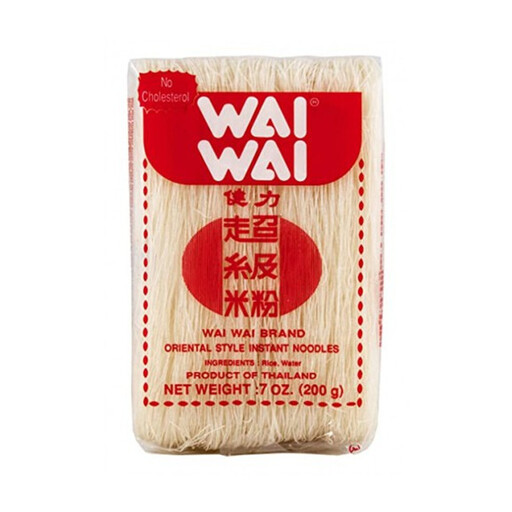
Why this fits their persona: The 200 g pack is manageable for students, first-time cooks and smaller households preparing quick soups, salads or spring rolls.
The packet gives clear short preparation guidance, reducing the risk of buying a large quantity before learning how the noodles behave.
Rice flour is the main ingredient; preparation takes 3–5 minutes of soaking or 2–3 minutes of boiling.
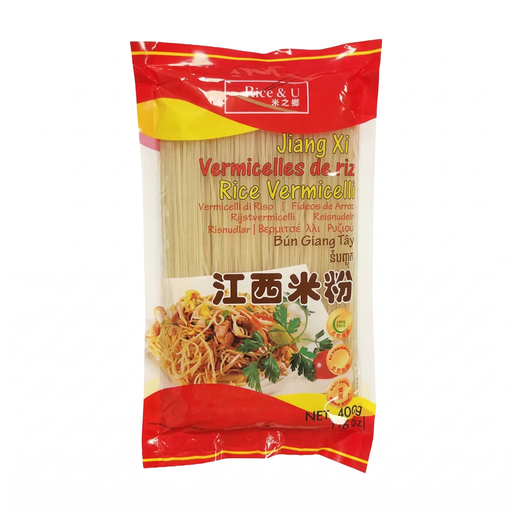
Why this fits their persona: Home cooks who want one adaptable rice noodle for broths, dry stir-fries and cold dishes can use this 400 g pack across several recipes.
Its ingredient declaration identifies rice and tapioca starch, so shoppers can anticipate a rice-based noodle with added chewiness rather than assume it is a glass noodle.
Made with 88% rice and cooks in approximately 6–8 minutes by boiling; the listed ingredients contain no gluten.
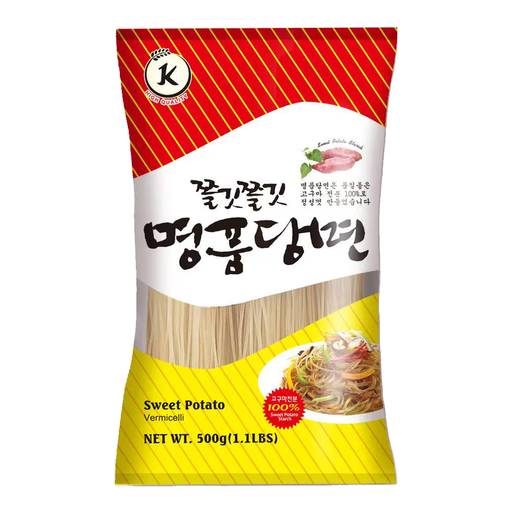
Why this fits their persona: Families and regular cooks making Korean japchae, soups or hotpot can use the larger pack for repeated meals.
The ingredient is stated as sweet potato starch, making the noodle type clear and avoiding confusion with rice vermicelli or wheat-based glass noodles.
The 500 g pack is made from sweet potato starch and cooks for around 6–7 minutes before rinsing.
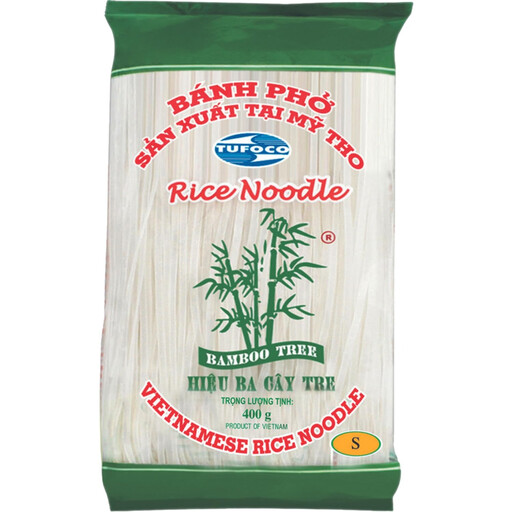
Why this fits their persona: Cooks preparing pho-style soups, Vietnamese salads and stir-fries can use the 3 mm width as a flexible everyday option.
The stated 3 mm width helps shoppers select by dish rather than by vague labels such as “Asian noodles” or “authentic style”.
Made with rice, water and salt; it can be soaked for 5–8 minutes for stir-fries or cooked directly in broth for approximately 3–5 minutes.
We have compiled a complete, real-time list of products that fully satisfy these strict selection criteria and UK safety regulations.
Many rice vermicelli and rice noodles are made from rice and water and are suitable for a gluten-free diet based on their listed ingredients. However, some products include wheat starch, soy, sesame or shared-facility warnings. Read the full UK packet label, especially if cooking for someone with an allergy or coeliac disease.
Medium-width 3 mm Vietnamese rice noodles are adaptable for many stir-fries. Wider 10 mm rice noodles provide a more substantial bite, while sweet potato vermicelli and Longkou vermicelli offer a chewier texture. Soak or boil until just tender, drain well and finish cooking briefly in the wok.
Keep unused dried noodles in an airtight container in a cool, dry cupboard away from sunlight and strong odours. Follow the packet’s best-before information and check for unusual smells, mould or moisture before use. Proper storage helps preserve texture and reduces unnecessary food waste.