
24/7 Customer Support

Free returns

Same-day & Next-day Delivery

Quality Guaranteed

Unlock Your Welcome Offers: FREE Delivery | Up to 80% OFF | Free 30-day JoyPlus trial
Download the APP
Choosing Asian rice products online can be more complicated than it first appears. Packaging may highlight “authentic flavour”, “ready in minutes” or “restaurant-style texture”, but these phrases do not always explain portion size, storage needs or preparation requirements.
As the Joybuy Product Recommendation Officer, I focus on the details that affect everyday use: what type of rice or rice-based food you are buying, how it should be stored and whether it genuinely suits your kitchen routine.
Some microwave rice and instant rice products can be heated directly from ambient storage. Others, particularly frozen glutinous rice cakes and black sesame rice balls, still require thorough cooking.
For example, frozen tangyuan may look like a simple dessert, but the wrapper contains raw dough. It must be boiled properly before serving. Always check whether the product is labelled ready to eat, heat and eat or cooking required.
A 90g dry rice sachet can make approximately 230g once prepared, while a 125g or 130g microwave rice pot is generally a smaller single serving or side dish. A 210g Korean cooked rice bowl is more substantial, but portion preferences vary.
Compare the net quantity and prepared weight, not just the packet dimensions. This helps avoid buying several small pots when you need family-sized portions or overbuying when you only need a quick lunch accompaniment.
Ambient rice products are convenient because they do not usually require freezer space, but that does not mean they can be stored indefinitely after opening. Several products require refrigeration and consumption within a stated period.
Frozen products need a freezer at -18°C or below, while dried Chinese rice noodles should be kept away from moisture. Self-heating rice bowls also contain a separate heating pack that must be handled according to the packaging instructions.
Different grains create noticeably different textures and work better in particular recipes:
Choosing by grain type is more reliable than choosing by general terms such as “premium” or “authentic”.
Check whether the product requires a microwave, hob, boiling water, stir-frying or self-heating pack. Microwave instructions can vary by wattage, so follow the stated power and time rather than assuming every pouch heats in two minutes.
Ready-to-eat rice products may be suitable for offices or student accommodation with microwave access. Self-heating rice bowls are more flexible for travel or outdoor use, but they require careful handling and enough ventilation.
Read the full ingredients list, especially if you avoid milk, egg, sesame, soya or wheat. A product labelled rice-based is not automatically free from these allergens. Chinese rice noodles may contain only rice and water, while seasoned rice meals can include sauces, flavour enhancers and wheat-containing soy sauce.
For everyday comparisons, check salt per serving, added oils, portion weight and whether the product contains a separate sauce or seasoning sachet. This gives a clearer picture than front-of-pack descriptions alone.
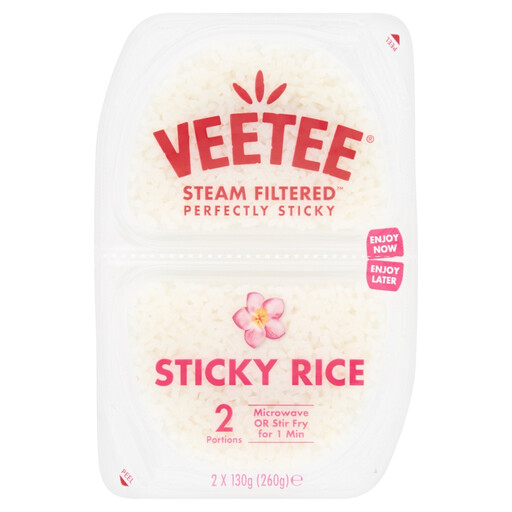
Why This Fits Their Persona: Two separate portions make this a practical choice for quick lunches, shared meals or keeping one serving for later.
The 2 x 130g format makes the serving quantity clear, and the product is stored in a cool, dry place before opening.
Microwave preparation takes one minute for one pot at 800W; the pack contains no listed allergens.
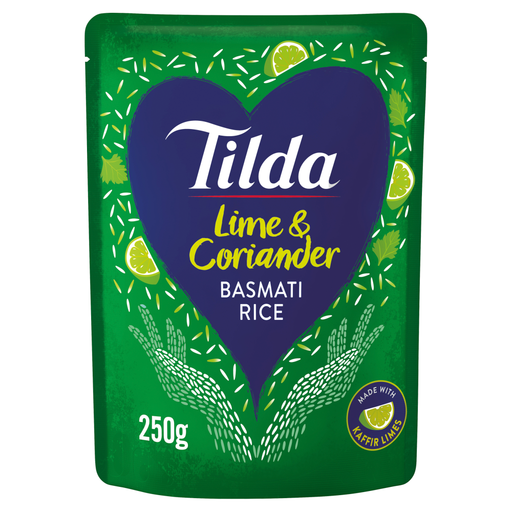
Why This Fits Their Persona: A flavoured basmati option suits shoppers who want a more distinctive side dish without preparing spices and aromatics separately.
The ingredient list identifies basmati rice, coconut cream, coriander and kaffir lime rather than relying only on flavour-led packaging.
The 250g pack is microwaveable and listed as gluten-free, vegetarian and vegan.
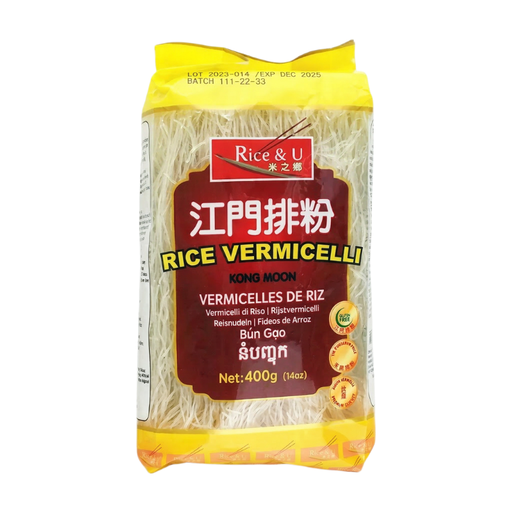
Why This Fits Their Persona: A 400g dried pack works well for households that cook Asian noodle dishes regularly and want one versatile cupboard staple.
It is clearly a dried ingredient requiring rehydration, so it is not mistaken for instant or ready-to-eat noodles.
Ingredients are rice and water, with no listed allergens; the flat noodles suit stir-fries, soups and cold salads.
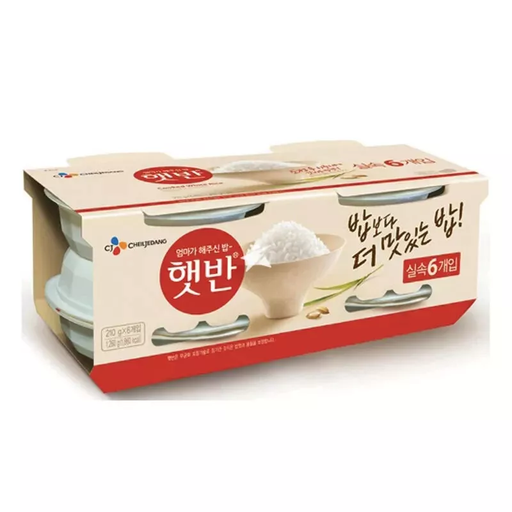
Why This Fits Their Persona: The six-bowl format provides a convenient supply of Korean cooked rice for work lunches, quick dinners or meal preparation.
The pack quantity and 210g bowl size are stated clearly, helping shoppers compare it with smaller rice pots.
Each bowl contains cooked white rice and is designed for microwave preparation; no allergens are listed in the supplied product information.
We have compiled a complete, real-time list of products that fully satisfy these strict selection criteria and UK safety regulations.
For traditional desserts, Freshasia Black Sesame Rice Ball 200g contains a sesame filling and glutinous rice wrapper, but it is frozen and requires boiling. Chang Li Sheng Rice Cake Slice 500g is another frozen glutinous rice product suited to hot pot, sweet soup or stir-frying.
If you need a complete meal rather than a side dish, self-heating rice bowls provide rice, seasoning and toppings in one pack. Options include Sichuan-style braised pork and shiitake chicken varieties. Check the allergen information carefully, as soy and wheat are listed in these products, and follow the heating instructions without allowing the heating pack to contact water prematurely.
Not always. Microwave rice is usually pre-cooked and intended to be heated, while ready-to-eat rice may be suitable for consumption without heating, depending on the label. Always follow the preparation instructions on the specific pack.
Ambient products generally display a best-before date on the packaging. Once opened, many rice pots should be refrigerated and consumed within 48 hours, although instructions vary. Dried rice noodles normally last longer when sealed in an airtight container and kept away from moisture.
Yes. Basmati rice is commonly paired with South Asian curries, biryani and pilaf. For Thai-style dishes, jasmine rice may provide a softer, more fragrant texture, while Korean meals often suit short-grain cooked rice. Choose the grain according to the dish rather than treating all rice products as interchangeable.