
24/7 Customer Support

Free returns

Same-day & Next-day Delivery

Quality Guaranteed

Unlock Your Welcome Offers: FREE Delivery | Up to 80% OFF | Free 30-day JoyPlus trial
Download the APP
From the satisfying chew of Korean rice cakes to the delicate transparency of Vietnamese rice paper, rice is the foundation of countless beloved Asian dishes. Yet, for many UK home cooks, the journey to buy rice online or in-store can be confusing. The sheer variety of Asian rice products is vast, and it's easy to end up with an ingredient that doesn't deliver the authentic texture or flavour you were hoping for.
As a Joybuy Product Recommendation Officer, my role is to help you navigate the options and make informed choices. Before you add anything to your basket, let's look at a few common pitfalls that can lead to disappointing meals and wasted money.
To avoid these issues, focus on a couple of key product characteristics. Getting these right is the first step towards recreating the dishes you love.
The single most important factor is the type of rice used. Different varieties have different starch compositions, which dictates their texture when cooked.
The format of the product significantly impacts both convenience and final texture, especially for items like noodles and rice cakes.
To help you choose, we've matched a few standout products to different cooking styles and needs.
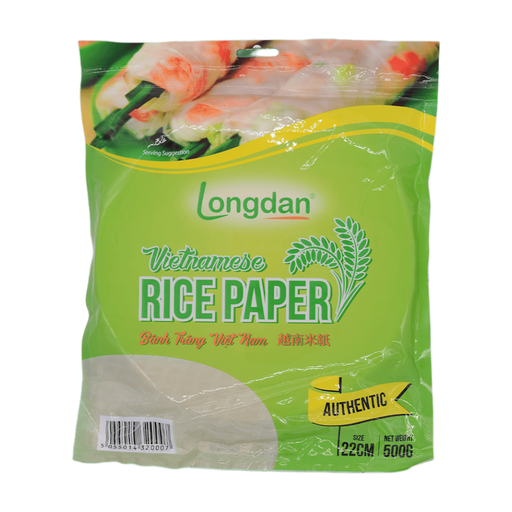
Why This Fits Their Persona: For the home cook dedicated to making fresh Vietnamese summer rolls, this provides the essential wrapper. It's a core pantry staple for anyone wanting to recreate light, healthy and flavourful Southeast Asian appetisers.
This product sidesteps the "authentic" label trap. Its ingredients list shows a high 70% rice content, ensuring a traditional, pliable texture rather than the brittleness of wrappers that rely too heavily on tapioca starch.
The thin, almost translucent sheets are flexible and easy to roll without tearing, holding fresh ingredients securely. Their neutral flavour allows the fillings to be the star of the show.

Why This Fits Their Persona: Anyone looking to recreate the iconic Korean street food dish needs the right kind of rice cake. This product is specifically made for tteokbokki, providing the essential chewy foundation that defines the dish.
This avoids the "wrong grain" pitfall. Made from 100% rice, it delivers the specific soft yet chewy texture that sliced rice cakes or other varieties cannot replicate, ensuring an authentic result.
The frozen format preserves texture and allows for convenient, direct-from-freezer cooking. The pre-cut shape saves preparation time, letting you focus on perfecting your sauce.
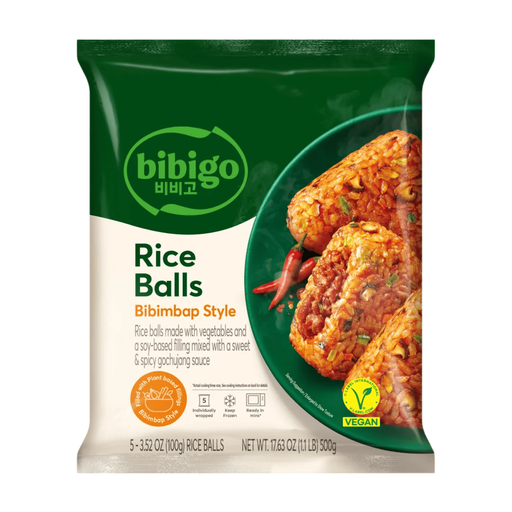
Why This Fits Their Persona: Perfect for busy professionals or anyone needing a quick, satisfying and flavourful meal. These frozen rice balls offer an authentic Korean taste without any of the prep work, making them an ideal lunch or snack.
This product directly counters the "convenient meal deception." Preparation is genuinely fast and simple, requiring just 2.5 minutes in the microwave or a short time in an air fryer, with no hidden soaking or complex steps.
These offer a complete, plant-based meal solution packed with vegetables and a spicy bibimbap flavour. The individual rice ball format makes portion control simple.
We have compiled a complete, real-time list of products that fully satisfy these strict selection criteria and UK safety regulations.
It is not recommended. Sushi relies on the sticky, clumping quality of short-grain rice to hold its shape. Long-grain rice, like basmati or jasmine, cooks into separate, fluffy grains and will not bind together properly, causing your sushi rolls or onigiri to fall apart. For the right results, always choose a product specifically labelled as Japanese sushi rice.
The main difference is in the ingredients and preparation. Vietnamese rice paper is made from rice flour (often with tapioca starch) and water. The sheets are hard and brittle when dry and must be dipped in warm water to become soft and pliable for making fresh summer rolls. Chinese spring roll wrappers are typically made from wheat flour, are soft and dough-like and are used for making deep-fried spring rolls.
The key is not to overcook the rice cakes. If using frozen Korean rice cakes, add them directly to your simmering sauce. Cook for 5-7 minutes, stirring occasionally, until they are soft on the outside but still have a pleasant chew in the centre. They will continue to firm up slightly as they cool. Boiling them for too long in plain water before adding them to the sauce can make them waterlogged and mushy.