
24/7 Customer Support

Free returns

Same-day & Next-day Delivery

Quality Guaranteed

Unlock Your Welcome Offers: FREE Delivery | Up to 80% OFF | Free 30-day JoyPlus trial
Download the APP
Plain rice can become a quick lunch, a packed-work meal or the base of a family dinner, but choosing among Asian rice seasonings and sauces is not always straightforward. Jars, sachets and ready-to-eat bowls often use similar wording while offering very different levels of preparation, spice and versatility.
The practical choice depends on how you cook. A rice seasoning sauce may be ready to spoon over a bowl, while a fried rice seasoning mix needs a hot pan and cooled rice. A Japanese sushi rice seasoning is designed for vinegar balance rather than stir-frying, and a self-heating rice bowl is a complete convenience meal rather than a cooking ingredient.
A sauce or seasoning normally needs rice, noodles, vegetables or protein added separately. A self-heating bowl includes rice and accompanying ingredients, but it is generally a single serving. Check the net quantity, serving information and preparation method before comparing prices.
Mushroom-based products can contain meat, chicken seasoning, fish-derived ingredients or animal-based flavourings. For example, some products list chicken essence, beef flavouring or chicken powder. If you follow a vegetarian or vegan diet, look for a clearly stated plant-based recipe and read the full allergen and ingredient panel.
Sauces and seasoning mixes are concentrated. A sweet soy sauce for rice can contain notable sugar and salt per serving, while Sichuan seasoning and mushroom sauces may be oil-rich. Nutrition information is usually provided per 100g or 100ml, so the actual amount used matters.
Storage can also affect value. Some ambient products require refrigeration after opening and should be consumed promptly. Others are individually portioned, reducing the need to store an open jar.
For a weeknight meal, decide whether you want:
A self-heating product does not require electricity, a hob or cookware, but it still needs careful handling. Follow the package instructions, use the specified water amount and consume it immediately after heating if the label says not to reheat.
Rice absorbs strong flavours readily, so a small quantity can change the whole dish. Consider whether you want:
Start with a modest amount, taste, then add more. This is particularly useful with concentrated sauces and mixes containing salt or flavour enhancers.
In the UK, always check the current packaging for highlighted allergens and preparation guidance. Several products in this category contain soybeans, wheat or sesame. Some seasoning blends also contain liquorice, which is specifically noted on certain product labels.
Look for:
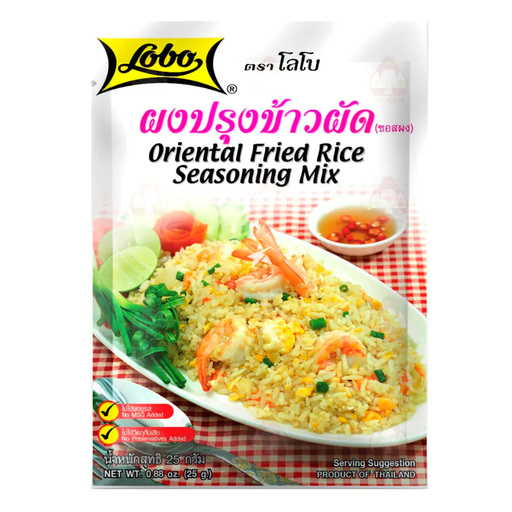
Why This Fits Their Persona: A small packet is a practical starting point for students or first-time cooks wanting to prepare fried rice without buying multiple spices.
It clearly requires cooked, cooled rice and a hot pan, so it is not mistaken for an instant meal or ready-to-eat sauce.
One 25g packet is specified for approximately 500g of cooked rice; the dry format is easy to store.
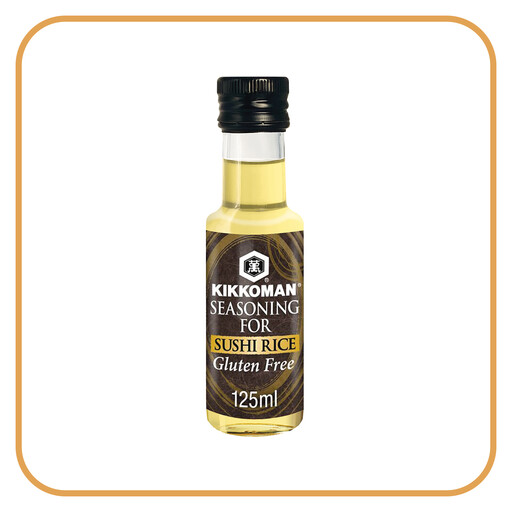
Why This Fits Their Persona: Suitable for home cooks who want measured seasoning for sushi rice, onigiri, chirashi bowls, salads or marinades.
The ingredient list identifies rice vinegar, sugar, water and salt, making its intended sweet-tangy use clear.
Ready to use, with no listed allergens; the guidance gives a 30–45ml quantity for 300g of rice.
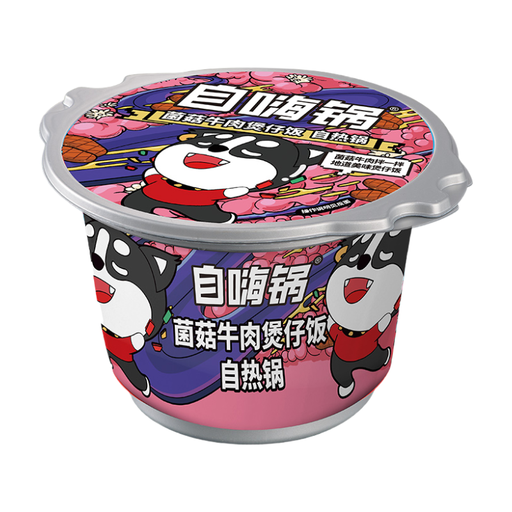
Why This Fits Their Persona: Designed for busy professionals, travel or overtime shifts where a hot, single-serving meal is needed without electricity or cookware.
It is labelled as a 245g individual serving and states that cold water, rather than a hob or microwave, activates the heating process.
Heating takes about 15 minutes; the listed allergens are wheat and soy, while the ingredients include mushrooms and beef flavour components.
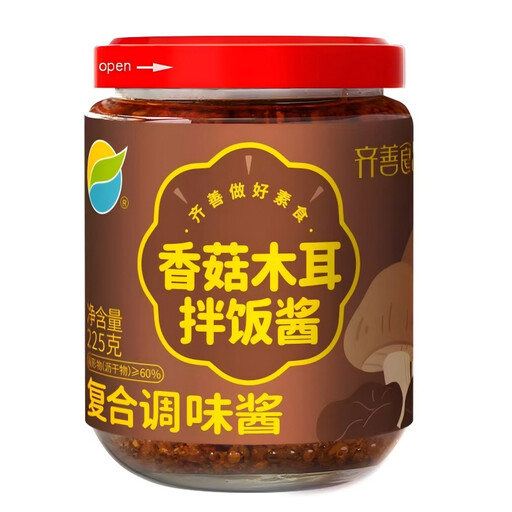
Why This Fits Their Persona: A plant-based option for rice, noodles, tofu, vegetables, porridge and dumpling fillings.
The product description identifies a 100% plant-based recipe and specifies shiitake and wood ear mushroom percentages; check the pack if dietary requirements are strict.
Ready to eat from the jar; contains 15% shiitake and 8% wood ear mushroom, with soy and wheat listed as allergens.
Use a sauce across several dishes rather than reserving it for rice alone. Mushroom sauce can season noodles, stir-fries and steamed buns. Sweet soy sauce works in marinades and dipping bowls, while Asian spice blends can flavour meat, vegetables, fillings and broths.
For a household, compare the cost per usable portion, not just the jar price. A 300g jar may offer repeated servings, whereas a small sachet may be more suitable when you cook infrequently and want to avoid opened products. Refrigerate products when instructed and use a clean, dry spoon to reduce contamination risk.
We have compiled a complete, real-time list of products that fully satisfy these strict selection criteria and UK safety regulations.
A rice seasoning sauce may contain mushrooms, chilli, fermented pastes, oil, sugar and spices, giving it a broader flavour profile. Soy sauce is generally a thinner, salty liquid used for seasoning, dipping or cooking. A sweet soy sauce for rice adds sugar and has a thicker, sweeter profile.
Follow the product label. Some sauces can be kept in a cool, dry cupboard until opened, then require refrigeration. Use the stated consumption guidance, keep the lid tightly closed and do not use a product if its packaging is damaged or the contents appear abnormal.
A dry fried rice seasoning mix is convenient when you have cooked and cooled rice, oil and a pan. Day-old rice generally fries more easily than freshly cooked rice. Add vegetables or protein separately and check the seasoning instructions for the recommended rice quantity and cooking time.