
24/7 Customer Support

Free returns

Same-day & Next-day Delivery

Quality Guaranteed

Unlock Your Welcome Offers: FREE Delivery | Up to 80% OFF | Free 30-day JoyPlus trial
Download the APP
Navigating the world of Asian rice wine can feel overwhelming. The shelves are filled with bottles from Japan, Korea and China, each with a unique name and purpose. For UK shoppers, this often leads to a few common purchasing mistakes: buying a salty cooking wine for sipping, or a delicate, expensive sake for a marinade that boils away its nuances. The result is often disappointment and wasted money.
As the Joybuy Product Recommendation Officer, my role is to help you see past the confusing labels and marketing claims. This guide will break down the essential factors to consider, ensuring you choose the right bottle for the right occasion, whether you're cooking an authentic meal or exploring new beverages.
Before you add a bottle to your basket, be aware of these frequent traps that catch out even keen foodies.
The "Cooking vs. Drinking" Mix-Up: The most common error is failing to distinguish between rice wines made for consumption and those made for the kitchen. A Chinese cooking wine (like Shaoxing or Liaojiu) is typically salted and designed to tenderise meat and add savoury depth. Using it as a drink would be an unpleasant, salty surprise. Conversely, using a premium Japanese sake in a stir-fry is an expensive way to add a hint of flavour that a dedicated cooking wine could provide more effectively.
Ignoring the Style: Clear, Cloudy, or Sparkling? The term "rice wine" covers a vast spectrum of styles. A shopper expecting a crisp, clear beverage might be confused by the milky, tangy profile of makgeolli, a traditional Korean rice wine. Similarly, the growing popularity of sparkling sake offers a different experience entirely. Not understanding these fundamental differences in texture and taste is a primary cause of buyer's remorse.
Overlooking the Ingredients List: Many mass-market, lower-priced rice wines use shortcuts. Instead of achieving sweetness through the natural fermentation of rice, they rely on added sugars, high-fructose corn syrup, or artificial sweeteners. While not inherently bad, this can result in a one-dimensional, overly sweet flavour that lacks the complex, subtle notes of a traditionally brewed product.
To avoid these pitfalls, focus on these three key factors. They will help you decode any bottle and match it to your needs.
This is the most critical distinction.
The production method dictates the final character of the wine.
An authentic taste comes from quality ingredients.
To help you make a confident choice, here are a few selections matched to different needs and preferences.
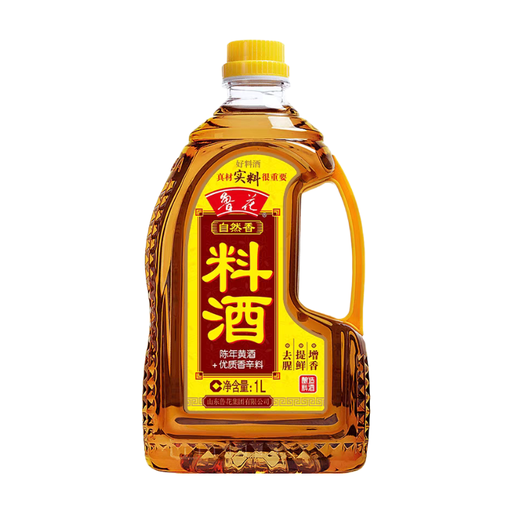
Why This Fits Their Persona: For anyone serious about recreating authentic Chinese dishes at home, a proper cooking wine is non-negotiable. This large 1L bottle is a practical, flavourful staple for everything from marinades for char siu to a splash in a weeknight stir-fry.
This product is explicitly a Chinese cooking wine, eliminating the "cooking vs. drinking" confusion. Its formulation is designed to enhance food flavour, not for sipping.
Excellent value in a 1L format for regular use. Specifically blended with spices to remove unwanted odours from meat and fish while adding a rich, savoury aroma.
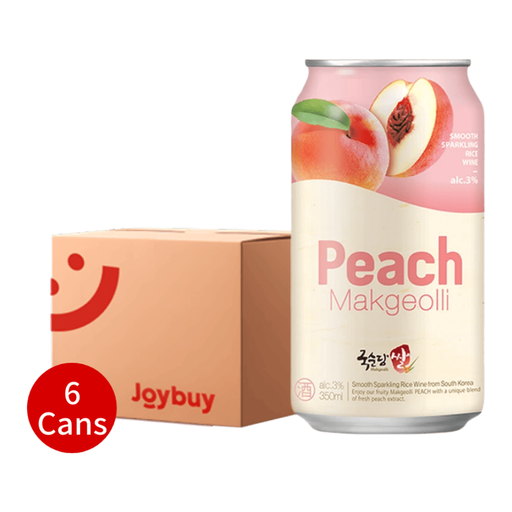
Why This Fits Their Persona: This is an ideal entry point into the world of Korean rice wine. It's light, fruity, and comes in convenient cans, making it perfect for sharing at a barbecue or a casual get-together with friends who may be new to makgeolli.
Its accessible peach flavour and low 3% ABV make it an easy-drinking choice, avoiding the "acquired taste" barrier of more traditional, tangy makgeolli. It's clearly a modern, flavoured style.
The 6-pack of cans is great for portability and portion control. The light carbonation and creamy texture pair well with spicy and savoury foods like Korean fried chicken or tteokbokki.
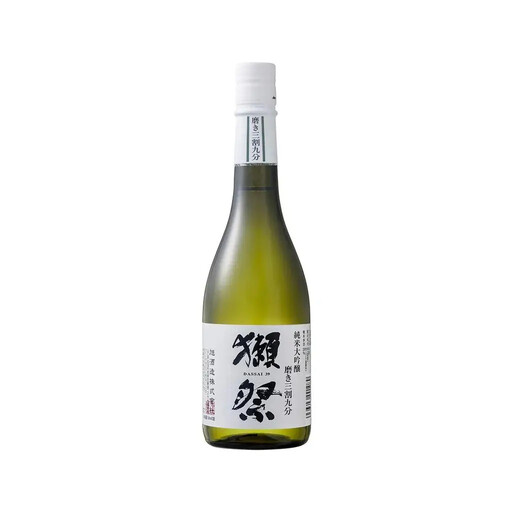
Why This Fits Their Persona: For those who appreciate the finer things, like a good single malt whisky or a vintage wine, this premium Japanese sake from the renowned Dassai brewery is an equivalent expression of craftsmanship. It's a drink to be savoured and contemplated.
This directly counters the "hidden low-quality ingredients" pitfall. As a Junmai Daiginjo, it is pure rice sake with no added alcohol, and the 39% polishing ratio is a clear mark of quality, ensuring a refined, clean taste.
Exceptionally smooth, aromatic profile with notes of white peach and pear. The large 720ml bottle is perfect for sharing over a special meal, pairing beautifully with delicate foods like sashimi or grilled fish.
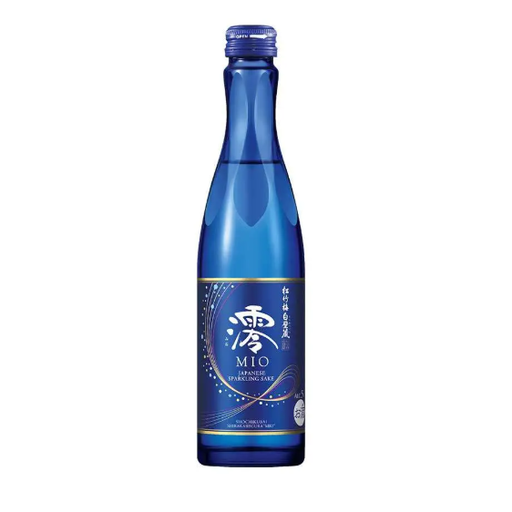
Why This Fits Their Persona: For those who enjoy a glass of something light, sweet, and bubbly, this sparkling sake is an excellent choice. It's a fantastic aperitif or dessert wine, offering a unique Japanese twist on the familiar profile of a Moscato or light prosecco.
It clearly avoids the "style confusion" pitfall. The name "Mio Sparkling Sake" immediately tells you to expect bubbles and a lighter profile, preventing you from accidentally buying a dry, still, or savoury sake.
A low 5% ABV makes it very approachable. The flavour is bright and fruity with notes of pear and green apple, balanced by a natural sweetness from the rice that isn't cloying.
We have compiled a complete, real-time list of products that fully satisfy these strict selection criteria and UK safety regulations.
For drinking wines like sake and makgeolli, it is crucial to keep them refrigerated once opened. This preserves their delicate flavours and, in the case of makgeolli, slows down any continuing fermentation. Aim to consume them within 3-7 days for the best taste. Cooking wines like mirin and Chinese cooking wine are more stable due to their higher sugar or salt content, but they should still be sealed tightly and stored in a cool, dark cupboard.
Yes, absolutely. The cloudy, milky appearance is the defining characteristic of makgeolli. This Korean rice wine is traditionally unfiltered, meaning the rice sediment remains in the bottle. This sediment contributes to its creamy texture and full flavour. Before serving, you should gently invert the bottle a couple of times (don't shake it vigorously) to mix the sediment evenly throughout the liquid.
While both are made from rice, their purpose in the kitchen and at the dinner table is entirely different. Japanese sake is a beverage, brewed to be enjoyed as a drink, with a wide range of profiles from dry to sweet and an alcohol content typically between 13-17%. Mirin, on the other hand, is a type of sweet rice wine made exclusively for cooking. It has a much higher sugar content and lower alcohol content, and its primary role is to add sweetness, a glossy sheen and depth of flavour. You would not drink mirin on its own.