
24/7 Customer Support

Free returns

Same-day & Next-day Delivery

Quality Guaranteed

Unlock Your Welcome Offers: FREE Delivery | Up to 80% OFF | Free 30-day JoyPlus trial
Download the APP
Navigating the world of Asian rice wine can feel overwhelming. With labels in different languages and a vast array of styles, it is easy to make a purchase you later regret. As the Joybuy Product Recommendation Officer, my role is to help you sidestep the common pitfalls and choose a bottle that genuinely suits your needs, whether you are cooking an authentic meal, hosting a dinner party or simply exploring new flavours.
Many shoppers in the UK fall into a few common traps. The most frequent is accidentally buying a salted cooking wine for drinking, resulting in a very unpleasant surprise. Another is paying a premium for a high-grade bottle without understanding what the classification means, only to find the flavour profile is not to their taste. Let's clear up the confusion so you can buy with confidence.
Before adding any bottle to your basket, focusing on a few core parameters will ensure you get exactly what you are looking for. These details separate the culinary ingredients from the refined beverages and the everyday sippers from the special occasion bottles.
This is the single most important distinction. Many products are labelled "rice wine," but they serve entirely different purposes.
Always check the ingredient list for salt. If it is listed, the bottle belongs in your pantry, not your wine glass.
For beverages like Japanese sake, premium labels are determined by a key technical factor: the rice polishing ratio. This number indicates how much of the outer rice grain has been milled away before brewing.
Understanding this helps you know what you are paying for. A lower polishing ratio generally corresponds to a more delicate and complex sake, often justifying a higher price point.
The final texture also defines the experience.
To help you choose, we have matched a few standout options to different needs and tastes.
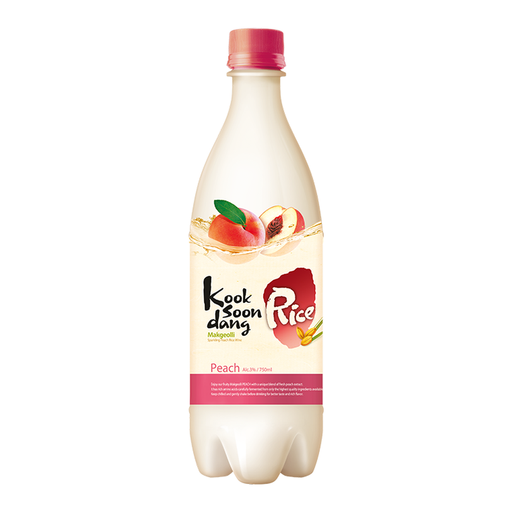
Why This Fits Their Persona: Perfect for someone new to Asian rice wine. This flavoured makgeolli is sweet, fruity and has a very low alcohol content (3%). Its approachable, refreshing taste makes it an excellent starting point for social gatherings or pairing with spicy food.
It is unambiguously a drinking beverage, not a salty cooking wine. Its modern, fun flavour profile requires no prior knowledge of traditional grades to be enjoyed immediately.
Lightly sparkling and creamy texture with a bright peach flavour. Low alcohol content makes it a very easy-drinking and sociable choice.
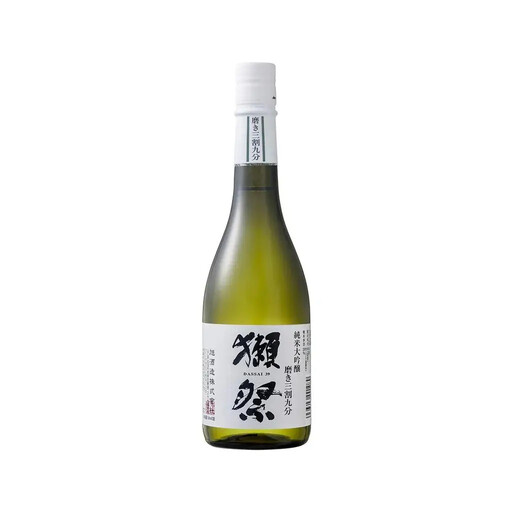
Why This Fits Their Persona: For those seeking a premium sipping experience or looking to buy sake online in the UK. Dassai is a world-renowned brand, and this Junmai Daiginjo offers a sophisticated, multi-layered flavour profile ideal for pairing with fine food or enjoying on its own.
This choice helps you understand what "premium" means. The "39" signifies the high rice polishing ratio, justifying its status and ensuring you are paying for demonstrable craftsmanship, not just marketing.
Exhibits an exceptionally smooth, clean and aromatic profile with notes of white peach and pear. It has a crisp finish that pairs beautifully with delicate foods like sashimi.
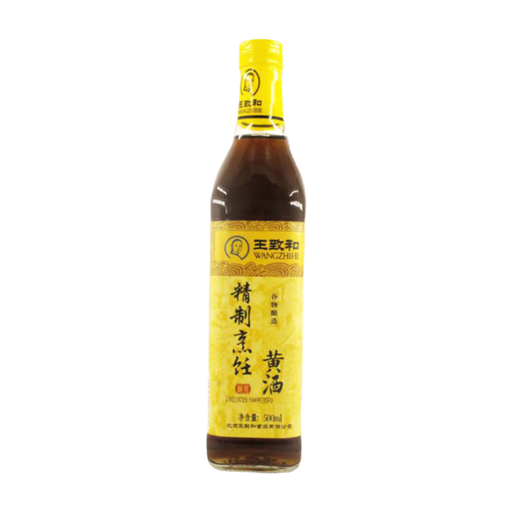
Why This Fits Their Persona: An essential for anyone serious about cooking authentic Chinese food. This is a classic Shaoxing-style cooking wine, perfect for creating rich marinades, flavourful braises like red-cooked pork and deglazing a wok.
This recommendation directly reinforces the crucial distinction between cooking and drinking wines. It is clearly positioned as a culinary ingredient, preventing the costly mistake of buying it as a beverage.
Adds authentic umami depth and aroma to dishes. It is also highly effective at removing unwanted fishy or gamey odours from proteins during preparation.
We have compiled a complete, real-time list of products that fully satisfy these strict selection criteria and UK safety regulations.
Storage depends on the type. Drinking wines like Japanese sake and Korean makgeolli are best kept refrigerated and consumed within a week of opening to preserve their delicate flavours and, in the case of makgeolli, its light carbonation. Cooking wines like Shaoxing wine are more stable due to their high salt content. They can be stored sealed in a cool, dark cupboard for several months.
While you can, they perform different roles. Mirin cooking wine is sweet and is used to add a beautiful glaze and balance salty flavours in sauces like teriyaki. Standard sake is not as sweet and primarily adds umami and depth. If you use sake as a substitute for mirin, you may need to add a small amount of sugar to achieve a similar flavour profile.
Although both are made from fermented rice, their ingredients and production methods create very different results. Chinese rice wine (huangjiu), such as Shaoxing wine, often uses glutinous rice and a wheat-based starter (qu), which contributes to its amber colour and complex, sometimes sherry-like notes. Japanese sake uses a specific mould (koji) grown on steamed rice, which, combined with different yeast strains and polishing techniques, produces a vast range of styles from crisp and dry to fruity and aromatic.