
24/7 Customer Support

Free returns

Same-day & Next-day Delivery

Quality Guaranteed

Unlock Your Welcome Offers: FREE Delivery | Up to 80% OFF | Free 30-day JoyPlus trial
Download the APP
Navigating the world of Asian rice wine can feel overwhelming. With labels showing terms like Junmai Daiginjo, Korean Makgeolli and Shaoxing wine, it is easy to pick a bottle that doesn't match your expectations. Many UK shoppers, whether they are adventurous foodies or home cooks, find themselves making a few common and often disappointing mistakes.
As the Joybuy Product Recommendation Officer, my role is to help you see past the marketing and make informed choices. Let's look at the most frequent pitfalls and how to sidestep them, ensuring your next purchase is exactly what you are looking for.
To avoid these traps, focus on a few non-negotiable parameters. Understanding these will empower you to select the perfect bottle for any occasion, whether it is for a quiet evening, a dinner party or to perfect a recipe.
Asian rice wine is not a single category but a diverse family of beverages. The three main types you will encounter are:
This is the most critical distinction. To determine if a bottle is for drinking or cooking, check the ingredients list.
For Japanese Sake, the number on the bottle is a direct indicator of its style and quality. This refers to the seimaibuai, or rice polishing ratio. Before brewing, the outer layers of the rice grain are polished away to remove proteins and fats, leaving a pure starch core.
To help you connect these principles to real products, here are a few recommendations matched to different preferences and uses.
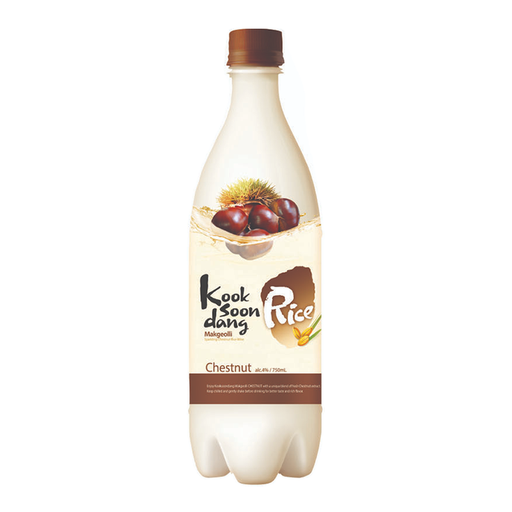
Why This Fits Their Persona: This flavoured rice wine is a perfect entry point. The traditional creamy, tangy base of Korean Makgeolli is balanced with a familiar, comforting roasted chestnut flavour. Its low alcohol content (4%) makes it highly approachable for sharing with friends over a Korean meal at home.
Its clear branding as a flavoured makgeolli for drinking prevents any confusion with cooking wine. The taste profile is straightforward and enjoyable without requiring any prior knowledge of complex sake terminology.
Gentle, nutty-sweet flavour profile. Low alcohol and light carbonation make it refreshing and easy to drink. Pairs exceptionally well with savoury and spicy foods.
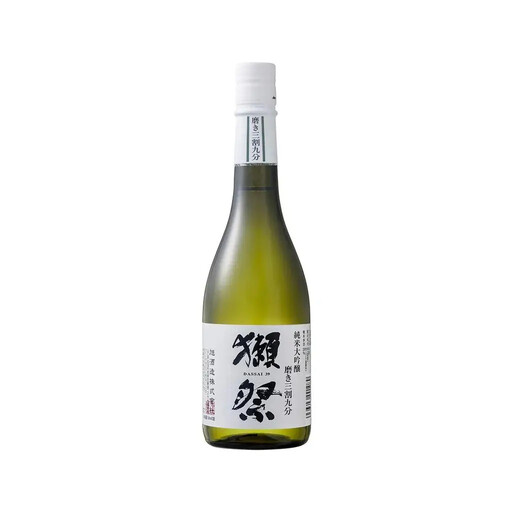
Why This Fits Their Persona: For those seeking a sophisticated experience or a high-quality gift, Dassai 39 is an excellent choice. It represents the pinnacle of premium sake, perfect for pairing with delicate foods like sashimi or for savouring on its own during a special occasion.
The label clearly states Junmai Daiginjo and the "39" signifies the high polishing ratio. This guarantees the buyer is getting the refined, aromatic and complex profile they are paying for, avoiding the trap of misinterpreting sake grades.
Exceptionally smooth, clean, and aromatic profile with notes of white peach and pear. The high polishing ratio (39%) ensures a premium, refined taste with no harshness.
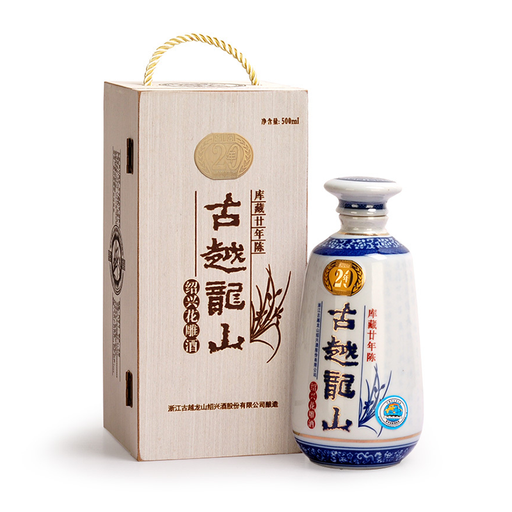
Why This Fits Their Persona: This is for the cook who wants to create truly authentic flavours. A 20-year-aged Chinese Huangjiu provides a depth and complexity that standard cooking wines cannot replicate. It will elevate braised dishes and marinades, and can also be sipped gently warmed, offering a two-in-one experience.
Its premium nature and 20-year age statement clearly distinguish it from cheap, salted Shaoxing wine. The description highlights its dual purpose for both cooking and sipping, preventing the "cooking vs. drinking" mix-up.
Exceptional depth with notes of dried fruit, caramel and nuts. Adds unparalleled flavour to culinary creations and serves as a complex sipping wine.
We have compiled a complete, real-time list of products that fully satisfy these strict selection criteria and UK safety regulations.
For most drinking rice wines, refrigeration is essential after opening. Premium sake, especially delicate styles like Junmai Daiginjo, should be kept cold and ideally consumed within a week to preserve its fragile aromas. Unfiltered Korean Makgeolli can continue to ferment, so it must be refrigerated and consumed within a few days. Salted Asian cooking wine is more stable due to its salt content, but keeping it in the fridge is still good practice.
This depends entirely on the bottle you buy. Most Shaoxing wine found in UK supermarkets is specifically for cooking and contains a high amount of salt, making it unpalatable to drink. However, premium, aged Chinese Huangjiu (which is a type of Shaoxing wine) is designed for sipping. These will be clearly marked with an age statement (e.g., 10, 20 years) and will not list salt in the ingredients. Always check the label.
The key difference is the addition of a small amount of distilled brewer's alcohol.