
24/7 Customer Support

Free returns

Same-day & Next-day Delivery

Quality Guaranteed

Unlock Your Welcome Offers: FREE Delivery | Up to 80% OFF | Free 30-day JoyPlus trial
Download the APP
As the flavours of East Asian cuisine become a staple in more UK kitchens, the variety of ingredients on offer has expanded dramatically. Navigating the world of Asian rice wine can be particularly confusing. It’s a broad category covering everything from essential cooking liquids to premium celebratory drinks. Many shoppers find themselves making costly mistakes, either by using a delicate sipping sake in a stir-fry or serving a salty cooking wine to guests.
This guide, prepared by the Joybuy Product Recommendation Office, is designed to help you understand the key differences and make informed choices. We'll highlight the common pitfalls and break down what you really need to look for, ensuring you get the right bottle for the right occasion.
To avoid these traps, focus on two simple parameters: its intended purpose and the main category it belongs to.
This is the most critical distinction. Always check the product description for its intended use.
Once you know its purpose, identifying the category helps you match the flavour profile to your preference.
We've matched some popular options to different needs, helping you find a suitable starting point.
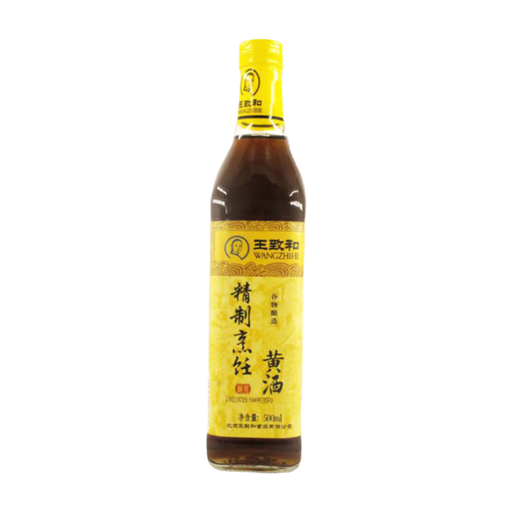
Why This Fits Their Persona: This is a foundational ingredient for anyone serious about recreating authentic Chinese dishes at home. It's specifically designed for marinating meats, deglazing pans and adding that characteristic flavour to braises and stir-fries.
It is explicitly labelled and formulated as a Chinese cooking wine. Its salty, robust profile is perfect for the kitchen, preventing the mistake of using a delicate drinking wine where it won't be effective.
Formulated to remove unwanted odours from ingredients and enhance savoury notes. A reliable and cost-effective pantry staple.
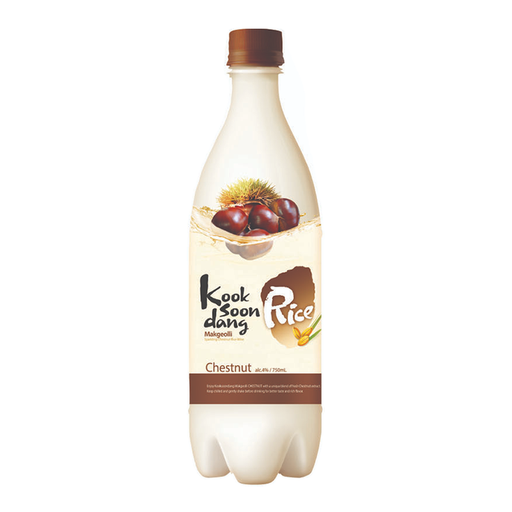
Why This Fits Their Persona: Perfect for those looking for a fun, accessible and modern drink. This flavoured rice wine is great for sharing at gatherings, pairing with Korean BBQ, or for anyone curious about Korean makgeolli but prefers a gentler, sweeter introduction.
This avoids the "terminology trap." It's an easy-drinking, low-alcohol (4% ABV) option that doesn't require deep knowledge of rice wine styles. The clear chestnut flavouring makes it immediately approachable.
A harmonious blend of traditional creamy makgeolli with a warm, nutty chestnut flavour. Lightly sparkling and best served chilled for a refreshing experience.
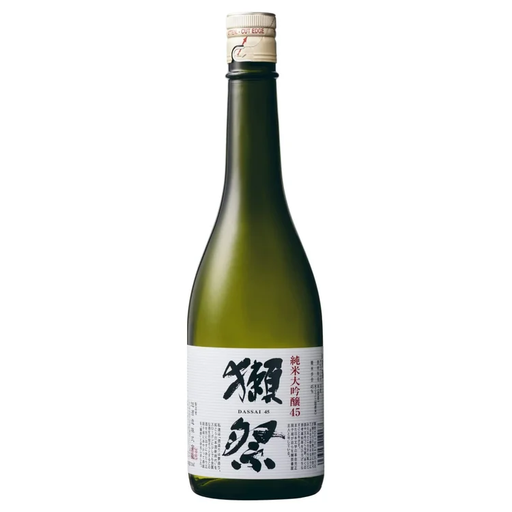
Why This Fits Their Persona: For those who appreciate nuance and quality. Dassai 45 is a celebrated Junmai Daiginjo, offering a clean, elegant and complex profile. It's an excellent choice for pairing with delicate foods like sashimi or for savouring on its own.
This is a clear-cut premium drinking sake. Its classification (Junmai Daiginjo) and rice polishing ratio (45%) are indicators of quality that prevent it from being mistaken for a basic table wine or cooking ingredient.
Crafted with Yamadanishiki rice polished to 45%. Delivers a silky texture with notes of white peach and pear, leading to a clean, crisp finish.
We have compiled a complete, real-time list of products that fully satisfy these strict selection criteria and UK safety regulations.
Storage depends on the type.
While you can in a pinch, it's not an ideal substitution. Chinese cooking wine has a saltier, more robust and often spiced flavour profile designed to stand up to strong cooking methods. Sake is much more delicate and lacks the saltiness. If you must substitute, use a dry, inexpensive sake and add a small amount of salt. For best results, however, using the correct cooking wine is recommended.
Although both are rice-based alcoholic beverages, they are very different. Sake is a Japanese rice wine that is filtered, resulting in a clear liquid with a smooth, refined taste and typically higher alcohol content (14-16% ABV). Makgeolli is a Korean rice wine that is traditionally unfiltered, giving it a milky, cloudy appearance, a creamy texture, a tangy-sweet flavour and a much lower alcohol content (3-8% ABV).