
24/7 Customer Support

Free returns

Same-day & Next-day Delivery

Quality Guaranteed

Unlock Your Welcome Offers: FREE Delivery | Up to 80% OFF | Free 30-day JoyPlus trial
Download the APP
Choosing Asian sauces and dips can be surprisingly difficult. A small bottle may be designed for dipping, while a similar-looking product is intended for cooking, marinating or mixing. Meanwhile, terms such as “authentic”, “mild” and “premium” do not always tell you how a sauce will work in a UK kitchen.
This guide helps you compare Japanese mayonnaise, Korean sauces, Sichuan chilli sauce, salsa dip and other condiments by intended use, ingredients, storage and value.
Products such as gochujang, chilli bean sauce and fermented soybean pastes are often concentrated. They may need to be fried, diluted or mixed with other ingredients before serving. Using them straight from the jar can produce an unexpectedly salty or intense flavour.
By contrast, a hotpot dipping sauce or seafood dipping sauce is generally prepared for direct serving. Check the usage instructions rather than relying on the product name alone.
“Mild” is not a standard measurement across Asian cuisines. A mild ssamjang sauce may still contain red pepper seasoning, while a spicy tteokbokki sauce can also be noticeably sweet. If you are serving several guests, consider offering one creamy or tomato-based option alongside a chilli-led sauce.
A large bottle may appear economical, but mayonnaise and chilled dips often have a limited period for use after opening. KENKO Mayonnaise 500 g, for example, should be refrigerated after opening and consumed within one month according to its product information. Some jarred dips advise refrigeration and consumption within three days.
For occasional use, a 150 g Korean cooking sauce or 120 g hotpot dipping sauce may create less waste than a larger format.
Start with the meal you are preparing:
A product can be versatile, but its primary format still affects the result.
Look beyond the front-of-pack heat description and review the nutrition panel. For example, the supplied information lists Ji Xiang Ju Mala Sauce at 15.19 g salt per 100 g, while O’Food Ssamjang lists 6.3 g salt per 100 g. These are concentrated condiments, so a small quantity may be enough.
Sweetness also varies considerably. Sempio Topokki Sauce, Sweet lists 29.7 g sugars per 100 g, while a tomato salsa dip generally has a lighter texture and lower energy value. If you are balancing a dish, use sauces gradually and taste as you go.
Under UK food labelling requirements, allergens must be clearly identified on packaging. Common allergens in this category include:
Always check the current label before purchase, particularly if cooking for guests with allergies. Packaging instructions take priority because ingredients and storage guidance may change.
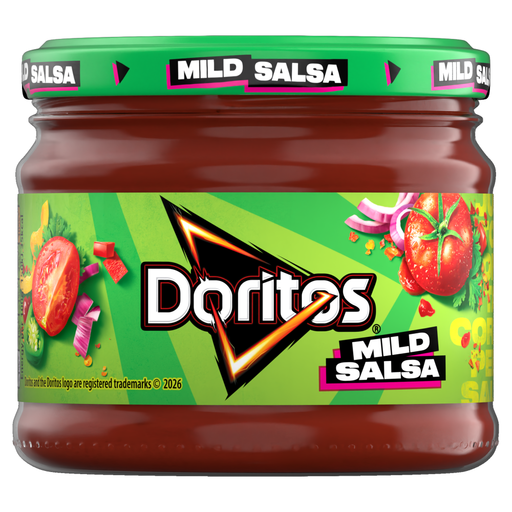
Why This Fits Their Persona: A straightforward choice for UK shoppers who want a ready-to-serve dip for film nights, casual gatherings or lunchboxes without preparing a recipe.
It is clearly presented as a ready-to-eat salsa dip, so there is no need to treat a concentrated cooking paste as a snack dip.
Contains tomato purée, chopped tomatoes, onion, peppers and jalapeño peppers; suitable for vegetarians and ready to serve chilled.

Why This Fits Their Persona: Suitable for cooks seeking a Japanese-style mayonnaise for several dishes, from sushi-inspired bowls to sandwiches, salads and fried snacks.
The product information specifies its rice-vinegar style, egg-yolk content, squeeze format and refrigeration guidance, making its intended use easier to assess.
500 g squeeze tube; contains 17% egg yolk and rice vinegar, with stated uses including dipping, topping and dressing.
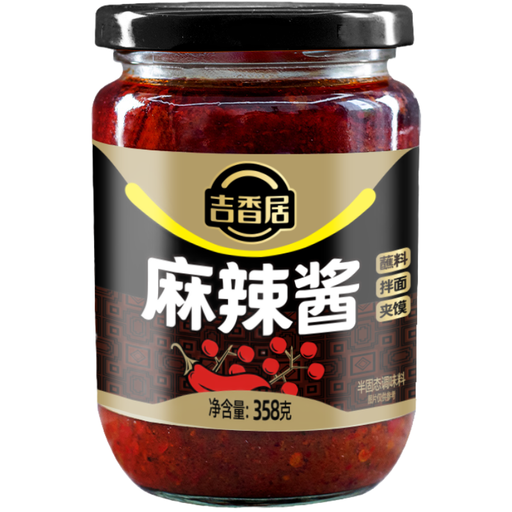
Why This Fits Their Persona: Designed for home cooks who regularly prepare noodles, stir-fries, dipping sauces or hotpot and want one concentrated seasoning for multiple recipes.
Its stated uses and ingredient percentages clarify that it is a strong seasoning base rather than a mild, all-purpose table dip.
Contains 39% chilli peppers and 2% Sichuan peppercorns; ready to add to hotpot, noodles and stir-fries.
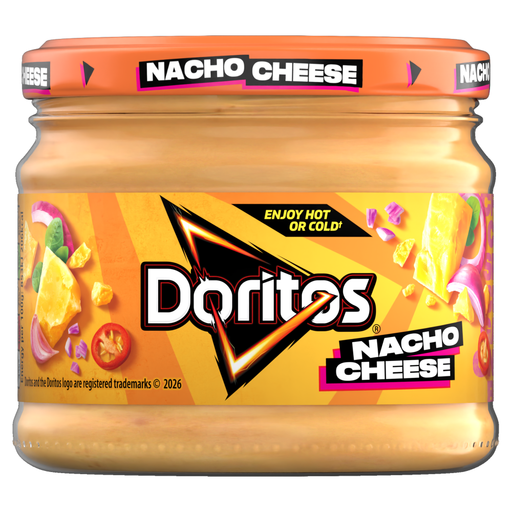
Why This Fits Their Persona: A practical option for parties, family gatherings and sharing platters where guests can choose between tortilla chips, nachos and vegetable sticks.
The jar states that it can be served chilled or heated, with clear microwave instructions, so serving expectations are easy to plan.
Made with mature white cheddar, sour cream and soft cheese; suitable for vegetarians and usable as a warm or cold dip.
For a compact selection, combine different flavour profiles rather than buying several similar products:
We have compiled a complete, real-time list of products that fully satisfy these strict selection criteria and UK safety regulations.
Gochujang is a fermented Korean red pepper paste commonly used in marinades, stews, rice dishes and tteokbokki. Ssamjang combines soybean paste with chilli and other seasonings, and is commonly served with lettuce wraps, grilled meat and vegetables. Their texture and flavour can overlap, but they are not interchangeable in every recipe.
It depends on the product. Some shelf-stable sauces should be refrigerated after opening and used within a stated period, while jarred dairy-based dips may need to be consumed within three days. Always follow the storage instructions on the current packaging and use clean utensils when serving.