
24/7 Customer Support

Free returns

Same-day & Next-day Delivery

Quality Guaranteed

Unlock Your Welcome Offers: FREE Delivery | Up to 80% OFF | Free 30-day JoyPlus trial
Download the APP
Asian sauces and condiments can transform noodles, dumplings, stir-fries and hotpot without requiring a long shopping list. However, choosing from unfamiliar bottles, tubs and sachets can be difficult. A large pack is not automatically good value, while a striking “extra hot” label may offer heat without the savoury depth you need.
Before buying, look beyond the front label. The most useful checks are the ingredient list, allergen information, salt content, storage instructions and intended use.
A chilli sauce may be hot but still too sweet, oily or one-dimensional for your cooking. Compare the ingredients and consider the format:
For example, Hubang Xiaomi Spicy Sauce lists bird’s eye chilli at 18% or more and chilli pepper at 17% or more, alongside garlic, onion and brewed vinegar. This indicates a chilli-forward sauce with supporting savoury and acidic flavours rather than heat alone.
A 500g or 720g container may offer a lower cost per gram, but it is only practical if you regularly cook with that ingredient. Gochujang, oyster sauce and Chinese sauces can be economical pantry staples for families, while smaller 90g or 100g hotpot dipping sauce packs may suit students or occasional users.
Check the best-before date, opening instructions and whether refrigeration is required. A sauce that loses quality before you finish it is not necessarily a saving.
Many Asian cooking ingredients contain allergens such as soya, wheat, sesame, peanuts, fish, molluscs or crustaceans. Always read the current packaging because recipes and labelling can change.
Salt can also vary considerably. Thai Taste Fish Sauce lists 17.7g of salt per 100ml, while Haday Signature Tasty Oyster Sauce lists 11.9g per 100g. These products are designed to be used sparingly, so add a small amount first and adjust the dish gradually.
The first few ingredients usually make up the largest proportion of a product. For a fish sauce, anchovies, water and salt indicate its basic composition. For oyster sauce, look for the declared oyster extract percentage; the Haday product lists 5% oyster extract.
For Japanese condiments, consider the texture and intended use. Japanese mayonnaise made with egg yolk can work as a dip, sandwich spread, salad dressing or topping for dishes such as takoyaki. The Kewpie product contains 14% pasteurised egg yolk and should be refrigerated after opening and consumed within the stated period.
Choose the quantity according to your household:
A squeeze bottle can make precise dispensing easier, while a tub may be more convenient for thick pastes and spooning into marinades.
Check whether the product needs refrigeration after opening. Several gochujang products and mayonnaise require chilled storage, while some unopened sauces can be kept in a cool, dry cupboard.
Do not assume a sauce is vegan, gluten-free or suitable for a particular allergy. Samyang Buldak Hot Chicken Flavour Hot Chili Sauce contains soya and wheat and is listed as not gluten-free or vegan. Thai fish sauce contains fish, while satay sauce commonly contains peanuts and may also include wheat, soya or crustaceans.

Why This Fits Their Persona: A compact ready-to-eat option for students, flatshares and occasional hotpot dinners where buying several large bottles would be impractical.
The 100g format reduces the risk of unused sauce, while the stated use for hotpot, salads and dipping provides more than one serving style.
Ready to eat; contains peanut, sesame and soya ingredients with a listed spicy oil component.

Why This Fits Their Persona: Suitable for home cooks who want one Japanese condiment for toppings, sandwiches, salads, dipping and meal finishing.
The 450g bottle is more suitable for repeat use than a small single-purpose pot, but buyers should plan chilled storage after opening.
Egg-yolk mayonnaise in a squeezable bottle; contains egg, soya, barley and mustard.
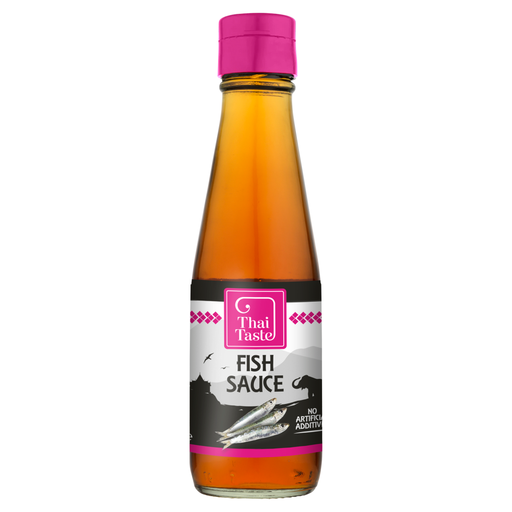
Why This Fits Their Persona: A useful choice for cooks making Thai curries, stir-fries, marinades and nam pla prik-style dipping sauces.
Its stated anchovy, water, salt and sugar recipe makes the fish-based profile clear; the high salt level reinforces the need for measured use.
Ready to use; contains anchovy and offers a compact 200ml bottle for controlled seasoning.
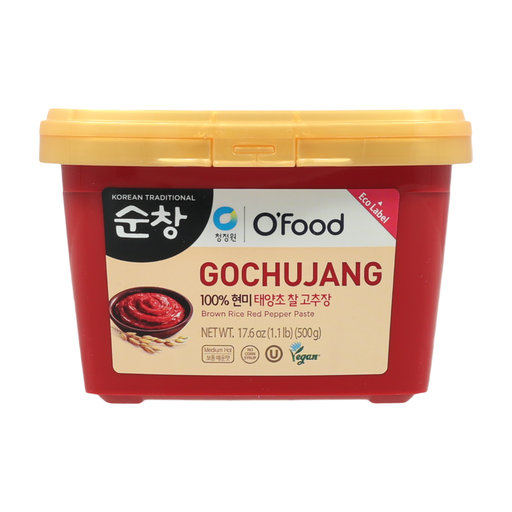
Why This Fits Their Persona: The 500g tub suits regular preparation of bibimbap-style dishes, stews, marinades, dipping sauces and Korean stir-fries.
The ingredient list identifies chilli seasoning, maltose syrup, soya sauce and chilli powder, helping buyers anticipate a sweet, savoury and spicy paste.
Large 500g format; suitable for marinades, stews, stir-fries and dipping sauces; contains soya.
We have compiled a complete, real-time list of products that fully satisfy these strict selection criteria and UK safety regulations.
For a flexible starter selection, consider one savoury seasoning such as fish sauce or oyster sauce, one chilli-based option and one dipping sauce. Gochujang is useful if you cook Korean dishes, while Japanese mayonnaise works across toppings, sandwiches and salads.
The lifespan depends on the product and packaging. Follow the label rather than relying on a general rule. Refrigerate mayonnaise and gochujang where instructed, tighten bottle caps, use clean utensils and discard products showing mould, swelling, unusual odour or other spoilage signs.
Not automatically. Check the ingredients and highlighted allergen information for every purchase. Common allergens include soya, wheat, sesame, peanuts, fish, egg, mustard, molluscs and crustaceans. If buying for a shared household, keep sauces clearly labelled and avoid cross-contamination during serving.