
24/7 Customer Support

Free returns

Same-day & Next-day Delivery

Quality Guaranteed

Unlock Your Welcome Offers: FREE Delivery | Up to 80% OFF | Free 30-day JoyPlus trial
Download the APP
Choosing Asian sauces can be surprisingly difficult. Bottles may look similar, while the flavour, salt level, sweetness, allergens and intended use vary considerably. A sauce suitable for dipping spring rolls may not work well in a broth, and a dark soy sauce can change a dish’s colour as well as its taste.
This guide explains what to check before buying Asian cooking sauces, then matches a selection of products to different cooking habits and budgets.
A dark sauce is not automatically stronger or more savoury. Dark soy sauce is often thicker and may be used to add colour and depth, while light or thin soy sauce is generally used for seasoning without substantially darkening ingredients. Using the wrong type can make noodles, vegetables or soup too salty or visually heavy.
Sweet chilli sauce, kecap manis and some stir-fry sauces can contain substantial sugar. Soy sauce and fish sauce are typically high in salt because they are concentrated seasonings. For example, the listed nutrition information for Maggi Light Soy Sauce shows 14.39g salt per 100ml, while Thai Taste Fish Sauce lists 17.7g salt per 100g.
These products are designed to be used in small quantities. Compare the nutrition panel and measure with a teaspoon when trying a new recipe rather than pouring directly into the pan.
“Vegetarian”, “vegan”, “halal” and “gluten-free” describe different requirements. Fish sauce contains fish, oyster sauce contains molluscs, and standard soy sauce commonly contains soya beans and wheat. A product labelled suitable for vegetarians may still contain soya or gluten.
Always check the current packaging, especially if you have an allergy or follow a strict dietary regime. UK allergen information should be presented clearly, but recipes and packaging can change.
Match the sauce to the job:
Read beyond the front label. Look for soya beans, wheat, gluten, sesame, fish, crustaceans, molluscs, peanuts and mustard. ABC Sweet Soy Sauce, for instance, contains soya and wheat, while the FLYING GOOSE Sriracha Mixed Pack identifies soya and mustard in its mayonnaise-flavoured bottle.
If you are shopping for halal sauces, look for the stated certification on the product information. If you need vegetarian sauces, confirm that no fish, oyster or meat-derived ingredients are included. Do not assume that a sauce is suitable because it is marketed as Asian or plant-based.
Large bottles can offer practical value for households that cook stir-fries frequently, but smaller bottles may be more suitable for occasional use. Check whether the sauce requires refrigeration after opening and note any recommended consumption period.
Most products should be stored in a cool, dry place away from direct sunlight. Some, including several chilli and dipping sauces, should be refrigerated after opening. A clean cap and tightly sealed bottle can help reduce waste and preserve flavour.
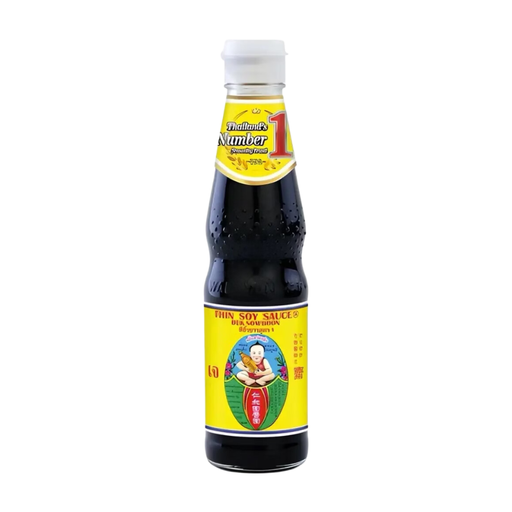
Why This Fits Their Persona: A compact bottle suits renters, students and smaller UK kitchens building a basic Asian pantry.
Its thin format helps distinguish it from dark soy sauce, reducing the risk of unnecessarily colouring lighter dishes.
Suitable for stir-fries, soups, marinades and dipping sauces; the 300ml size is manageable for occasional use.
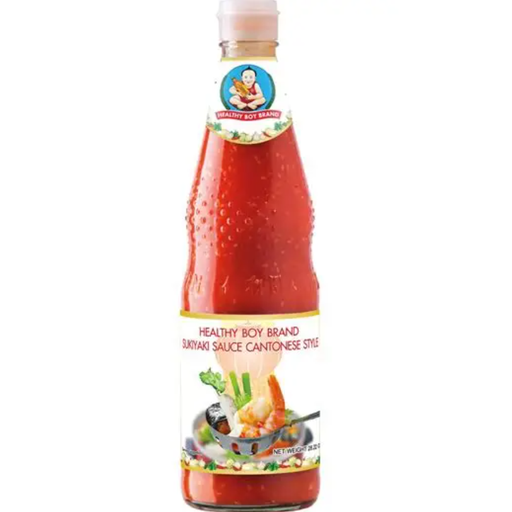
Why This Fits Their Persona: A larger bottle works for cooks who want one blended sauce for hot pots, braising and steamed dishes.
The ingredient list makes its sweet-savoury profile clear, helping buyers avoid expecting a plain soy seasoning.
Contains soya, chilli, garlic, sesame and tomato; labelled halal certified and suitable for vegetarians.
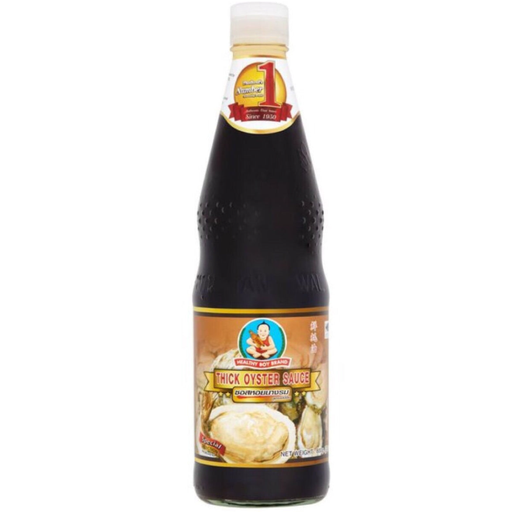
Why This Fits Their Persona: Frequent stir-fry cooks can use this larger format across vegetables, meat, seafood and marinades.
Its clearly stated oyster extract content helps distinguish it from vegetarian mushroom-based stir-fry sauces.
850g bottle; contains 20% oyster extract and is labelled halal certified and gluten-free.
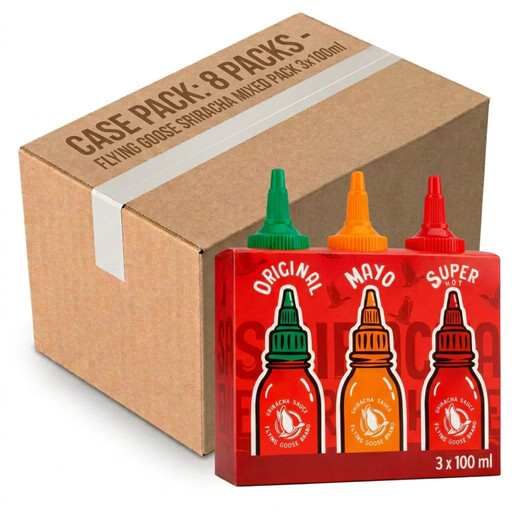
Why This Fits Their Persona: A three-bottle selection suits households with different spice preferences, from mild creamy heat to a hotter chilli option.
The pack identifies three distinct varieties, so shoppers can compare heat and texture rather than guessing from a single label.
Includes original, mayo and super-hot sauces; labelled suitable for vegans and gluten-free.
We have compiled a complete, real-time list of products that fully satisfy these strict selection criteria and UK safety regulations.
For Indonesian cooking, pair ABC Sweet Soy Sauce - Kecap Manis 620ml with chilli and garlic for nasi goreng or satay-style marinades. For Thai recipes, Thai Taste Fish Sauce 200ml provides a concentrated savoury base, while Healthy Boy Thai Spicy Dipping Sauce 300ml combines tamarind, chilli, sugar and vinegar for grilled food and spring rolls.
Vegetarian shoppers can consider a mushroom-based stir-fry sauce, such as Amoy Vegetarian Stir Fry Mushroom Sauce, but should still check the label for salt and allergen information. For a sweeter table condiment, Encona Thai Sweet Chilli Sauce offers a specified 15ml serving reference, making portion comparison easier.
Start with a light soy sauce, a chilli or sweet chilli sauce, and one purpose-specific option such as oyster sauce, mushroom stir-fry sauce or fish sauce. This covers seasoning, dipping and quick pan cooking without buying several similar bottles.
Many unopened sauces can be stored in a cool, dry cupboard. After opening, follow the bottle instructions. Several chilli, sweet chilli and blended dipping sauces recommend refrigeration, while storage advice can differ between soy and fish sauces.
Some are, but the category is not automatically suitable. Check certification and the full allergen declaration. Fish sauce and oyster sauce are not vegetarian, and soy sauce commonly contains wheat. Sriracha varieties may differ, so inspect each bottle rather than relying on the product family name.