
24/7 Customer Support

Free returns

Same-day & Next-day Delivery

Quality Guaranteed

Unlock Your Welcome Offers: FREE Delivery | Up to 80% OFF | Free 30-day JoyPlus trial
Download the APP
Asian sauces and condiments can turn plain noodles, rice, vegetables or grilled meat into a quick meal. However, choosing from shelves and online listings is not always straightforward. A large bottle may look economical but go unused if the flavour is too specialised, while a sauce described as “authentic” may still contain ingredients that do not suit your diet or cooking style.
The most useful approach is to compare flavour, intended use, ingredients, allergens, quantity and storage rather than relying on promotional language.
A dipping chilli sauce is usually ready to serve, whereas a concentrated curry sauce or stir-fry sauce may need dilution or additional ingredients. Fish sauce, soy sauce and oyster sauce are generally seasonings rather than complete sauces. Check the usage instructions before buying so you know whether the product suits dipping, marinating, glazing or cooking.
Large bottles can offer a lower cost per millilitre, but many opened sauces require refrigeration and should be used within a specified period. This matters in smaller UK households. A 730ml bottle of sweet chilli sauce may suit regular use, while a 200ml bottle of fish sauce may be more practical if you only prepare Thai dishes occasionally.
Many sauces are concentrated, so a small quantity can contribute significant salt or sugar. For example, the listed nutrition information gives Thai Taste Fish Sauce a salt value of approximately 17.7g per 100g, while some sweet sauces contain more than 60g of sugar per 100g. These products can still be useful culinary ingredients, but use them sparingly as part of a varied diet.
Always read the packaging before purchase. Common allergens in this category include soy, wheat or gluten, fish, crustaceans, peanuts, sesame, molluscs and mustard. Recipes and packaging can change, so the label on the product supplied should take priority over an online description.
Consider the dish you cook most often:
A product with several suggested uses is often more practical than one designed for a single recipe.
The first ingredients reveal the sauce’s main character. Sugar, palm sugar or molasses usually indicate sweetness; fermented soybeans, soy sauce, mushrooms or fish contribute savoury depth; chilli, vinegar and garlic affect heat and sharpness.
Concentrated products may need only a small amount. Goldfish Original Chinese Curry Sauce Concentrate, for instance, is designed to be combined with meat, vegetables or tofu rather than served as a complete meal on its own. Lobo Oriental Fried Rice Seasoning Mix is a dry option intended for approximately 500g of cooled, cooked rice per 25g packet.
Compare the net quantity with how frequently you cook. Also check whether the sauce is ambient before opening and whether it needs refrigeration afterwards.
Examples include:
These instructions can differ between products, so retain the label and avoid using any bottle with damage, swelling, mould, an unusual smell or an unexpected texture.
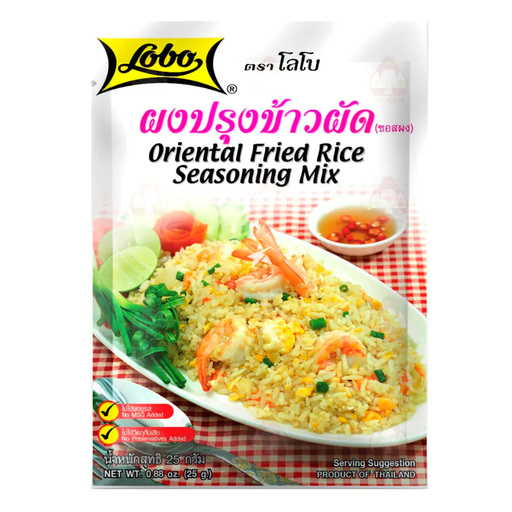
Why This Fits Their Persona: A compact, dry seasoning packet provides a simple way to prepare fried rice without buying several individual spices. It suits students, first-time world-food shoppers and busy households.
The 25g format avoids committing to a large bottle, and the instructions state how much cooled rice to use. It contains soybeans, so the allergen label still needs checking.
Dry format; ready portion for approximately 500g cooked rice; stores in a cool, dry place.
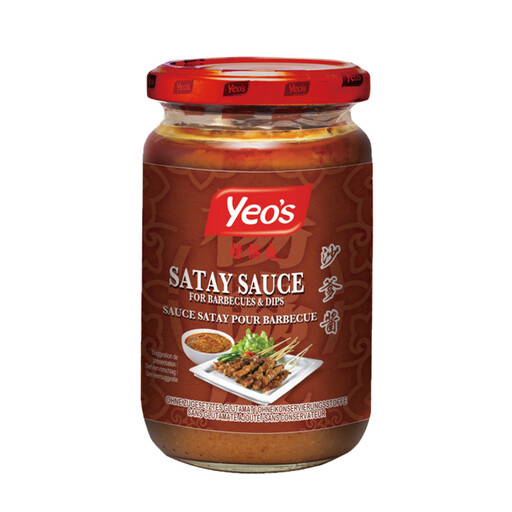
Why This Fits Their Persona: Suitable for shoppers seeking a Malaysian-style satay profile in a manageable bottle for dipping, marinades, grilled food and stir-fries.
The 250ml size is less demanding than a bulk bottle. Peanut, coconut, soy and wheat are listed, with possible fish and shrimp traces, making label review essential.
Ready to use; made in Malaysia; suitable as a dip, marinade or stir-fry base.

Why This Fits Their Persona: Designed for regular noodle meals, it suits families and home cooks who frequently prepare Japanese-style yakisoba with vegetables and protein.
Its stated purpose is clear: coating stir-fried noodles. This reduces the risk of buying a general condiment that does not provide the desired yakisoba flavour. It contains soy and wheat.
Ready-to-use sauce; 300g pack; made in Japan; also suitable for stir-frying vegetables and protein.

Why This Fits Their Persona: A useful choice for shoppers who regularly add chilli oil to noodles, hot pot, stir-fries and rice dishes and want a jar format for repeated use.
The listing identifies its uses and 275g quantity clearly. It contains soybeans and peanuts, with sesame listed in the allergen information, so it is unsuitable for some households.
Ready to use; includes chilli, peanuts, soybeans and spices; suitable for several savoury dishes.
We have compiled a complete, real-time list of products that fully satisfy these strict selection criteria and UK safety regulations.
Choose a ready-to-use stir-fry sauce, oyster sauce, yakisoba sauce or sweet soy sauce according to the flavour you want. For a flexible pantry, soy sauce plus chilli oil allows you to adjust salt and heat separately. Check whether the product contains wheat, soy, fish or shellfish before buying.
There is no single lifespan. Ambient sauces may need refrigeration after opening, while some concentrated products have short use-by guidance. Follow the bottle or pouch instructions, close the container firmly and use clean utensils. Discard it if the appearance, smell or texture changes unexpectedly.
Cost depends on pack size, concentration and how often you cook with the product. A small seasoning mix can be economical for occasional fried rice, while a larger bottle may suit families using sweet chilli sauce or oyster sauce every week. Compare the quantity and serving instructions rather than the shelf price alone.