
24/7 Customer Support

Free returns

Same-day & Next-day Delivery

Quality Guaranteed

Unlock Your Welcome Offers: FREE Delivery | Up to 80% OFF | Free 30-day JoyPlus trial
Download the APP
Choosing Asian sauces and condiments can quickly become confusing. Shelves and online listings are filled with soy sauce, chilli sauce, sriracha sauce, oyster sauce, sweet soy sauce and Korean barbecue sauce, often with similar-looking bottles and very different ingredients.
A good purchase should suit how you cook, how much you use and who will be eating it. Here is how to compare products without being distracted by oversized claims or attractive packaging.
Light soy sauce is generally used to season food while retaining the colour of vegetables, noodles, seafood and clear soups. Dark or thick soy sauce is usually chosen when you want a deeper colour, richer appearance or a sweeter, more concentrated flavour.
They are not always interchangeable. Using a dark soy sauce in a delicate dish can make it look muddy, while using light soy sauce alone may not provide the colour or sweetness expected in a glaze.
“Extra hot” does not necessarily mean more flavour. Some spicy sauces are designed for a slow-building chilli burn, while others balance heat with vinegar, garlic, citrus, sweetness or fermented ingredients.
Check the ingredient list and suggested uses before buying. A ghost chilli sauce may be suitable for small additions to soups and marinades, but it may be too intense for family meals. A milder hot sauce can be more useful at the table for eggs, pizza, tacos or sandwiches.
Many cooking sauces contain soy, wheat, sesame, barley, fish, crustaceans, molluscs or mustard. Always check the current packaging, particularly when cooking for children, guests or anyone with food allergies.
Salt and sugar also vary considerably. Soy sauce, oyster sauce, sweet soy sauce and Korean barbecue sauce are concentrated ingredients, so a small quantity can have a significant effect on a dish’s seasoning. Compare the nutrition panel per 100ml or 100g rather than judging by the bottle size alone.
Match the sauce to the task:
A 700ml or 850g bottle can offer practical value for a busy household, restaurant or café, but only if the sauce will be used regularly. Smaller bottles are easier to trial and reduce waste when you are unfamiliar with a flavour.
For foodservice professionals and wholesale buyers, compare cost per 100ml or 100g, storage requirements and the recommended period after opening. A large bottle that remains unused may be less economical than a smaller format.
Unopened sauces are generally stored in a cool, dry place away from direct sunlight, but opened products often need refrigeration. Some should be consumed within a stated number of weeks after opening.
Follow the label rather than relying on appearance. Oil separation may be natural in some products, but damaged seals, unusual odours or mould are reasons not to use a sauce. For products requiring cooking, such as certain peri peri marinades, follow the preparation instructions and cook food thoroughly.
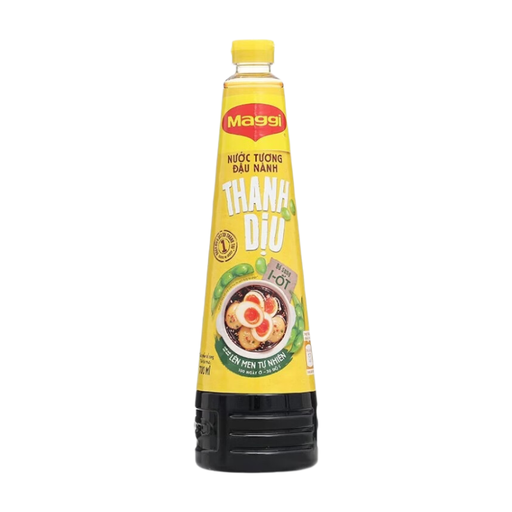
Why This Fits Their Persona: A practical pantry-sized option for UK cooks making stir-fries, soups, marinades and dipping sauces regularly.
It is identified as a light soy sauce, helping shoppers avoid buying a darker, thicker sauce when they want seasoning without substantially changing the colour of a dish.
700ml format; suitable for cooking and dipping. Contains soy and wheat, so the allergen information should be checked before use.
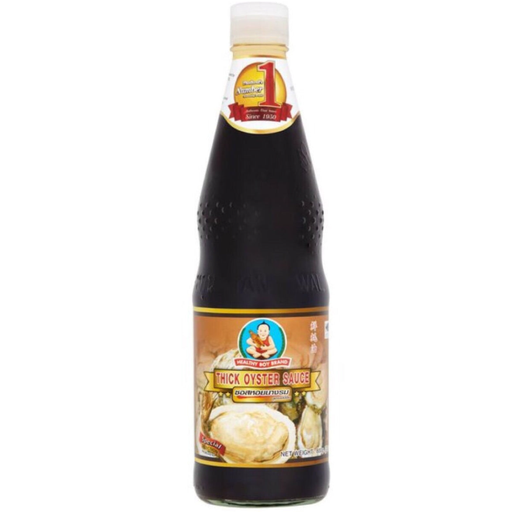
Why This Fits Their Persona: Suits cooks who want a thick sauce for stir-fries, marinades and finishing vegetables, meat or seafood.
The listing clearly states that it contains oyster extract, making it easier to distinguish from sauces marketed as oyster-style but made without molluscs.
850g size for frequent cooking; thick texture for coating ingredients. The product information lists oyster molluscs and refrigeration after opening.

Why This Fits Their Persona: A convenient choice for households and catering kitchens preparing Korean-style marinades, grilled dishes or stir-fries.
The usage guidance gives a practical ratio of around half a bottle for 400–500g of meat or tofu, rather than leaving portioning entirely to guesswork.
Includes soy, wheat, sesame and barley; contains pear purée, garlic and onion. Suitable for marinating, stir-frying and glazing when used as directed.
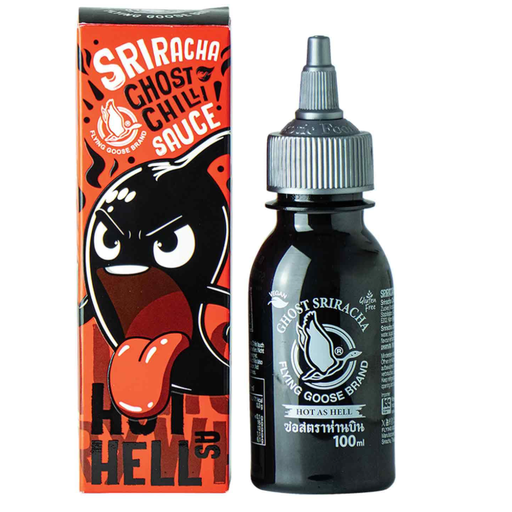
Why This Fits Their Persona: Designed for confident chilli users who want a concentrated sauce for curries, stir-fries, soups and marinades.
The listing identifies ghost chilli and describes the sauce as extremely hot, helping buyers set realistic expectations before opening the bottle.
100ml concentrated format; suitable for vegetarian and vegan diets according to the supplied product information. Refrigerate after opening.
For flexible everyday cooking, start with one light soy sauce, one chilli or sriracha sauce and one thicker sauce such as oyster sauce or Korean barbecue sauce. Add sweet soy sauce if you prepare fried rice, satay or grilled dishes.
A family may prefer a mild sauce alongside a separate hotter bottle, allowing each person to adjust their own portion. For cafés, restaurants and wholesale kitchens, larger formats can reduce restocking, while smaller bottles may suit table service or limited menus.
For broader international cooking, consider adding peri peri sauce, Caribbean pepper sauce, Indonesian sambal, dumpling seasoning and pasta sauce. These products support marinating, dipping, glazing and quick weekday meals without requiring a long ingredient list.
We have compiled a complete, real-time list of products that fully satisfy these strict selection criteria and UK safety regulations.
A light soy sauce, a mild chilli sauce and one thick cooking sauce provide a useful starting point. Choose oyster sauce for savoury stir-fries, Korean barbecue sauce for marinades or sweet soy sauce for Indonesian-style dishes and glazes.
It depends on the product. Follow the label’s storage instructions and consume within the stated period. Refrigeration is commonly recommended after opening, particularly for sauces containing ingredients such as oyster extract or fresh-style chilli components.
Not automatically. Soy sauce commonly contains soy and wheat, while other sauces may contain sesame, barley, mustard, fish, crustaceans or molluscs. Read the current packaging and allergen declaration before purchase or serving.