
24/7 Customer Support

Free returns

Same-day & Next-day Delivery

Quality Guaranteed

Unlock Your Welcome Offers: FREE Delivery | Up to 80% OFF | Free 30-day JoyPlus trial
Download the APP
Choosing Asian sauces and condiments can transform simple noodles, rice, vegetables and grilled ingredients, but a crowded shelf makes it easy to buy the wrong bottle. A sauce labelled “authentic” may not suit the dish you are preparing, while a large format may offer poor value if it needs to be discarded soon after opening.
This guide focuses on practical details: flavour profile, intended use, allergens, salt and sugar content, storage and pack size. It also highlights suitable options for different UK home-cooking habits, from quick weekday stir-fries to weekend hot pot meals.
Some products are ready to drizzle over food, while others need frying, dilution or thorough cooking. For example, chilli oil, sweet chilli sauce and dipping sauces can often be used directly, whereas a concentrated sukiyaki sauce usually needs diluting with water or dashi stock. Using the wrong type can result in an overly salty, sweet or oily dish.
A bright red sauce is not automatically very hot. Sweet chilli sauce generally combines sugar, vinegar and a moderate chilli level, while Sichuan chilli sauce, mala sauce and chilli bean sauce may bring both heat and numbing Sichuan peppercorn flavour. Check the ingredients and usage guidance rather than relying only on words such as “spicy” or “hot”.
Asian cooking ingredients commonly contain soy, wheat, sesame, peanuts, fish, shellfish or molluscs. Vegetarian or vegan shoppers should check the full ingredient list rather than relying on the dish name. Storage also varies: some bottles can remain in a cool cupboard before opening, while many products should be refrigerated after opening and used within a stated period.
Use the following guide when comparing products:
Ingredients are listed by weight, so the first few entries indicate the main character of the sauce. Mae Ploy Sweet Chilli Sauce, for example, lists sugar, water, chilli and garlic, making its sweet-tangy profile clear. Ji Xiang Ju Mala Sauce contains 39% chilli peppers and 2% Sichuan peppercorns, alongside broad bean paste, garlic and ginger.
For dietary requirements, look for clear statements such as “vegan” but still read the label. Whole Perfect Food Vegetarian Mushroom B.B.Q Sauce is described as plant-based, yet contains soybeans, peanuts, sesame and wheat. “Vegetarian” does not necessarily mean free from all major allergens.
Sauces are usually used in small quantities, but nutritional values can vary considerably. Thai Taste Fish Sauce lists 17.7g salt per 100g, while Mae Pranom Sukiyaki Sauce Cantonese lists 55g sugars per 100g. These figures do not mean the products cannot form part of a varied diet; they indicate that small amounts may be sufficient.
A larger bottle is useful for frequent cooking, but a smaller pack can reduce waste when trying an unfamiliar flavour. Also note whether the product should be consumed soon after opening. Product labels provide the applicable best-before date and storage guidance.
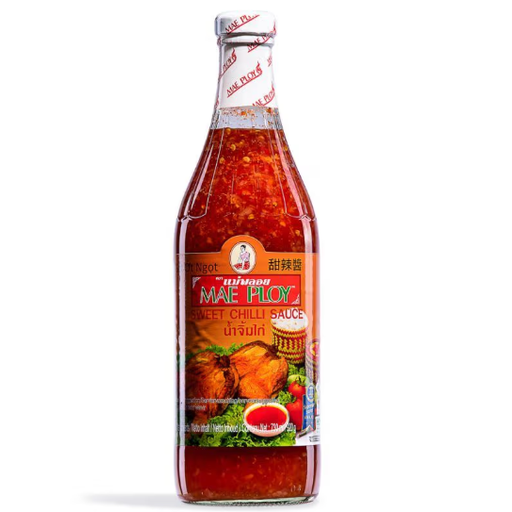
Why This Fits Their Persona: A versatile starting point for cooks who want one bottle for spring rolls, grilled food, stir-fries and simple marinades.
Its stated use covers dipping, glazing and marinating, so it is less likely to sit unused after one recipe.
730ml format; contains 16% chilli and garlic; ingredients list no major allergens, subject to facility handling information.

Why This Fits Their Persona: Suitable for shoppers recreating Japanese dishes such as okonomiyaki and takoyaki, while also wanting a multi-purpose glaze.
The label identifies specific traditional uses and ingredients including molasses, tomato, apple and soy, rather than relying only on broad authenticity language.
Ready to use; suitable for okonomiyaki, takoyaki, grilled food, stir-fries and dipping; contains soy.
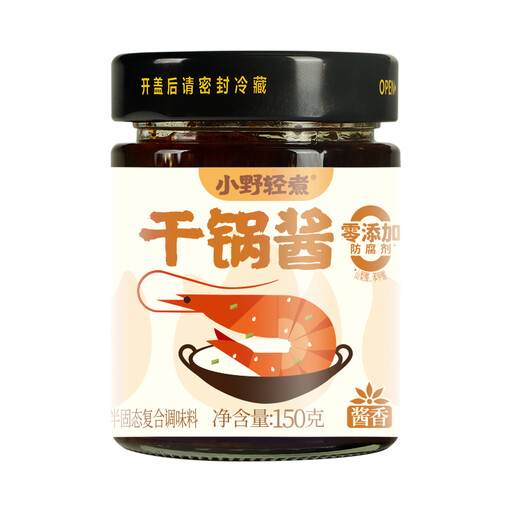
Why This Fits Their Persona: A practical option for regular Sichuan-style stir-fries, dry hot pot meals, braised dishes and vegetable cooking.
It clearly states that the sauce is cooked with aromatics and ingredients, avoiding confusion with a ready-to-eat dipping condiment.
Contains 10% Pixian doubanjiang and fermented black beans; suitable for hot pot, stir-frying and braising; contains wheat and soy.
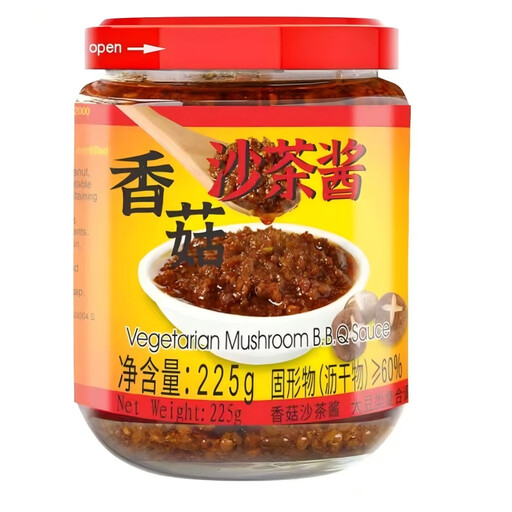
Why This Fits Their Persona: Designed for plant-based meals using tofu, vegetables, meat alternatives, rice, noodles and hot pot ingredients.
The product description identifies a plant-based formula, while the allergen list makes clear that vegan does not mean allergen-free.
Plant-based formula with shiitake mushrooms; works as a stir-fry seasoning, marinade or hot pot dip; contains soy, peanuts, sesame and wheat.
We have compiled a complete, real-time list of products that fully satisfy these strict selection criteria and UK safety regulations.
There is no single lifespan. Follow the bottle or pouch instructions and refrigerate products that require it. Examples in this selection include use within four weeks for some opened sweet chilli or satay sauces, and within one month for certain okonomi and chilli bean sauces. Always check the packaging for the current guidance.
Oyster sauce, chilli bean sauce, mushroom BBQ sauce, mala sauce, dry hot pot sauce and yakitori sauce can all be used in stir-fried dishes, but they have different strengths. Add concentrated or salty sauces gradually, tasting as you cook. For vegetarian recipes, choose a clearly plant-based product and check for fish, oyster or shellfish ingredients.
Cost depends on pack size, concentration and how often you cook. A concentrated sauce may serve many meals because only a spoonful is required, while a ready-to-use dipping sauce may be used more generously. Comparing the price per 100g or 100ml, storage requirements and typical serving quantity gives a more realistic view than comparing bottle prices alone.