
24/7 Customer Support

Free returns

Same-day & Next-day Delivery

Quality Guaranteed

Unlock Your Welcome Offers: FREE Delivery | Up to 80% OFF | Free 30-day JoyPlus trial
Download the APP
Asian sauces and condiments can transform a simple bowl of noodles, tray of roasted vegetables or weekend barbecue. However, the wide choice of Sriracha sauce, teriyaki sauce, hoisin sauce, Japanese BBQ sauce and chilli mayo can make it difficult to know what you are actually buying.
The main risk is not usually the bottle price. It is choosing a sauce that is too hot, too sweet, unsuitable for your diet or too specialised to use before it reaches its best-before date. This guide explains the practical details to check, then matches selected products to different UK cooking habits.
A chilli image or phrases such as “extra hot” do not explain how the sauce will taste. A very hot sauce may add heat but little sweetness, acidity or garlic flavour. Conversely, a Thai chilli sauce with a medium heat may be more useful for everyday meals because it can be used as a dip, stir-fry ingredient or marinade.
Check the ingredients and intended use. For example, ghost chilli sauce is designed for intense heat and should be added sparingly, while standard Sriracha sauce generally offers a more balanced chilli, garlic, sweet and sour profile.
Teriyaki sauce, teriyaki marinade and yakitori sauce are related but not identical. A thinner sauce may work well in a stir-fry or as a dip. A thicker product is more suitable for glazing grilled food. Some marinades contain alcohol, wheat or considerably more salt and sugar than shoppers expect.
If you want one bottle for weeknight cooking, look for clear instructions covering more than one use, such as marinating, glazing and dipping.
Many Asian sauces contain soya, wheat, sesame, mustard or fish ingredients. A product described as vegan may still contain soya or mustard, so it is not automatically suitable for every allergy requirement.
Once opened, many bottles need refrigeration and should be used within a specified period. A large bottle may offer a lower cost per millilitre, but it is poor value if you only use it occasionally and cannot finish it in time.
Choose by the meal you normally prepare:
For regular family cooking, medium heat and a versatile format may be more practical than an extremely hot speciality sauce.
Read the full label rather than relying only on front-of-pack claims. In the products considered here, common ingredients include sugar, vinegar, chilli, garlic, soy sauce and stabilisers. Soya and wheat are particularly common in Japanese-style sauces, while sesame may appear in toasted sesame teriyaki or hoisin products.
Vegans and vegetarians should check the current packaging. Several listed products are marked as suitable for vegans, but recipes can change. People with allergies should follow the UK allergen declaration and “may contain” advice on the bottle.
Compare the nutrition panel per 100ml or 100g, not only the price. The supplied products range from compact 100ml chilli sauces to 455ml bottles intended for frequent household use. Some teriyaki products list more than 10g of salt per 100ml, while chilli mayo products are relatively rich in energy and fat because of their creamy base.
Also check whether the sauce should be refrigerated after opening and how soon it should be consumed. Shake products containing oils, spices or suspended ingredients before use.
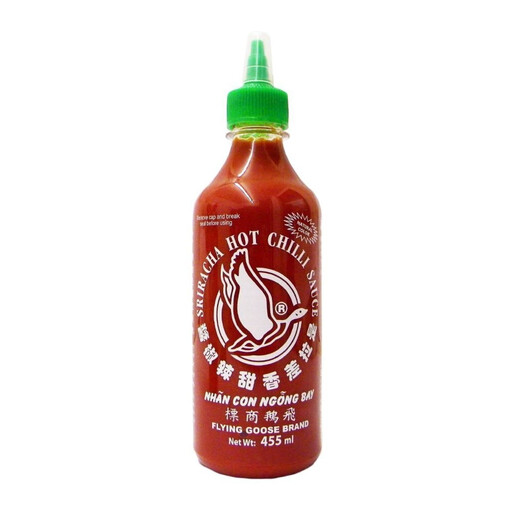
Why This Fits Their Persona: A compact starting point for UK cooks who want one versatile chilli sauce without committing to a large bottle.
The 100ml format limits waste for occasional users, while the stated uses include dipping, stir-fries, marinades and serving with cooked meats.
Thai-style chilli and garlic profile; listed as suitable for vegans and gluten-free diets. Check the label before purchase.
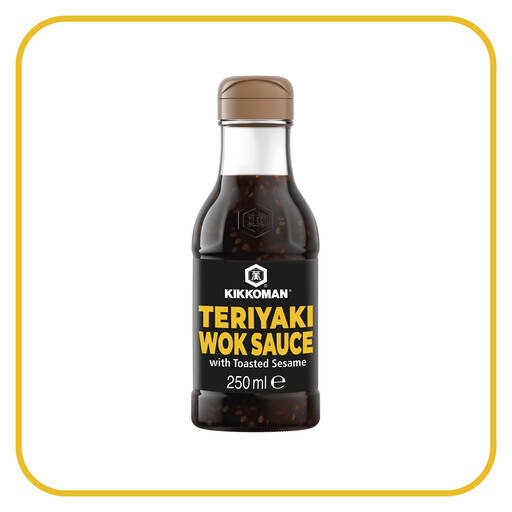
Why This Fits Their Persona: Suitable for cooks looking for a ready-to-use Japanese-style sauce with added toasted sesame aroma.
The product description clearly identifies sauce, glaze, marinade and dip uses, rather than presenting it as a single-purpose condiment.
Contains toasted sesame seeds and sesame oil; listed as suitable for vegans and vegetarians. Contains soya, wheat and sesame.
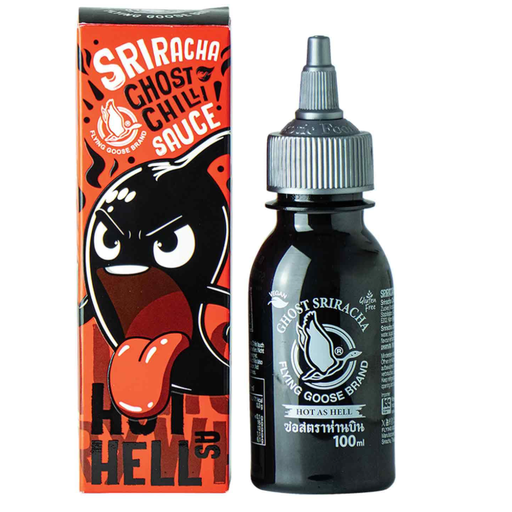
Why This Fits Their Persona: Intended for spice lovers who want a concentrated chilli ingredient for curries, soups, stir-fries and marinades.
The product is explicitly marked as extremely hot, making the intensity clear before purchase. It should be used sparingly.
Ghost chilli and traditional Sriracha-style ingredients; suitable for vegetarians and vegans. May contain traces of several allergens.
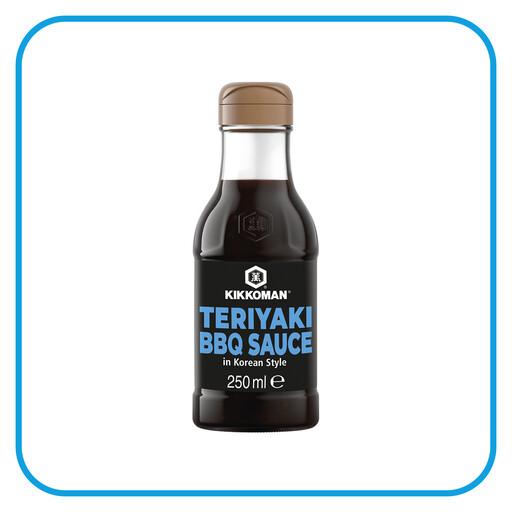
Why This Fits Their Persona: A practical option for plant-based barbecue dishes, roasted vegetables, tofu and weeknight stir-fries.
The listed uses include marinade, glaze and dip, so one bottle can cover several meat-free cooking occasions.
Includes apple, ginger, garlic, chilli and toasted sesame oil; listed as vegan. Contains soya, wheat and sesame.
We have compiled a complete, real-time list of products that fully satisfy these strict selection criteria and UK safety regulations.
A standard Sriracha sauce is useful for noodles, eggs, chips, burgers, dipping and marinades. Teriyaki sauce is more suitable when you regularly cook stir-fries, rice bowls, grilled vegetables or glazed proteins. Choose according to the meals you make most often rather than buying several similar bottles.
Many do. Check the bottle because storage periods vary. The supplied products commonly advise refrigeration after opening, with some recommending use within four weeks and others within eight weeks. Keep the cap tightly closed and use clean utensils to avoid introducing food particles.
Some are labelled vegan, but not all. Soy sauce and wheat are common ingredients, and certain products may contain honey, fish-derived ingredients or other animal products. Always check the current ingredients and allergen information before buying, particularly when cooking for guests.