
24/7 Customer Support

Free returns

Same-day & Next-day Delivery

Quality Guaranteed

Unlock Your Welcome Offers: FREE Delivery | Up to 80% OFF | Free 30-day JoyPlus trial
Download the APP
Asian sauces and curry pastes can turn everyday chicken, seafood, vegetables, rice or noodles into a globally inspired meal with little preparation. However, choosing the right jar, bottle or seasoning mix is not simply a matter of picking the most attractive label.
UK shoppers often face unclear serving sizes, unexpectedly high salt or sugar, and products that are unsuitable for their intended recipe. This guide explains what to check before buying, then matches a selection of Asian cooking sauces and world food ingredients to different home-cooking needs.
A curry paste or dry seasoning mix usually needs cooking with ingredients such as coconut milk, water, oil or protein. It is not necessarily suitable for tasting directly from the packet.
Mae Ploy Green Curry Paste, for example, is a concentrated paste intended to be fried briefly before adding coconut milk and other ingredients. Lobo Satay Seasoning Mix also requires preparation, either as a sauce or marinade. By contrast, a Japanese BBQ sauce can usually be served as a dip, glaze or marinade.
Always read the usage instructions before buying. A ready-to-use condiment may suit quick weekday meals, while a concentrated paste can offer more control over flavour and portion size.
Heat levels vary between products and personal preferences. A “medium spicy” Japanese BBQ sauce may be comfortable for one household but too hot for another, while jerk seasoning and Thai curry pastes can also contain chilli alongside strong aromatic ingredients.
Look at the ingredient list for chilli, Scotch Bonnet, wasabi, pepper and other heat sources. For a gentler curry, a sauce such as Patak’s Madras Sauce is labelled with a chilli rating of 3, described as hot. For more control, use a smaller quantity of curry paste and increase it gradually during cooking.
Many Asian sauces and marinades are concentrated seasonings. For example, Kikkoman Teriyaki Marinade lists 10g of salt per 100ml, while Grace Fish & Meat Sauce lists 16.5g of salt per 100g. Dunn’s River Lemon Jerk Seasoning lists 36g of salt per 100g, so it should be used sparingly as a rub or marinade base.
Allergens also differ considerably. Soy, wheat, sesame, mustard, peanuts, milk, fish and crustaceans appear across this category. Check the bold allergen information on the packaging, particularly when buying Thai curry paste containing shrimp paste or satay seasoning containing peanuts and milk.
Choose the product format based on how you cook:
For example, Maekrua Oyster Sauce contains 25% oyster extract and is intended for stir-fries, marinades and braised dishes. Tongdayi Oil Chicken Mushroom Sauce is ready to eat and can be added to rice, noodles, buns or stir-fries.
A large 400g jar can represent good practical value for regular curry cooking, but may be unsuitable if you only prepare Thai food occasionally. Smaller pouches, such as Lobo Masman Curry Paste 50g, are convenient for trying a recipe or preparing approximately two servings.
Also check how much the recipe uses. Mae Ploy Massaman Curry Paste instructions use 50g with coconut milk, protein, potatoes and peanuts, whereas a bottle of teriyaki marinade may be used in smaller amounts for dipping or glazing.
After opening, many sauces need refrigeration. Kikkoman Teriyaki Marinade, Daisho Yakiniku sauces and Grace Fish & Meat Sauce all advise refrigerating after opening. Some products also specify a shorter period for consumption once opened.
For raw meat and poultry, keep preparation hygienic and cook food thoroughly. Marinades that have touched raw meat should not be reused as a dipping sauce unless boiled. Curry pastes and dry mixes should be cooked according to the label rather than eaten dry or raw.
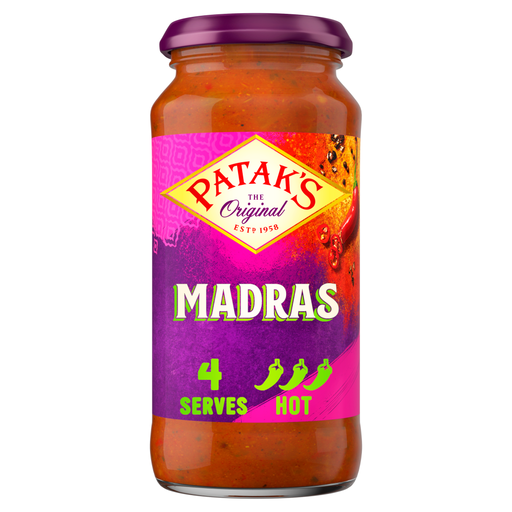
Why This Fits Their Persona: A straightforward option for UK cooks who want to prepare a curry with one jar and a choice of meat, vegetables or cauliflower.
The jar gives clear instructions to sear ingredients, add the sauce and simmer for around 15 minutes, reducing guesswork.
450g jar; vegan and vegetarian suitable according to the supplied product information; contains mustard.
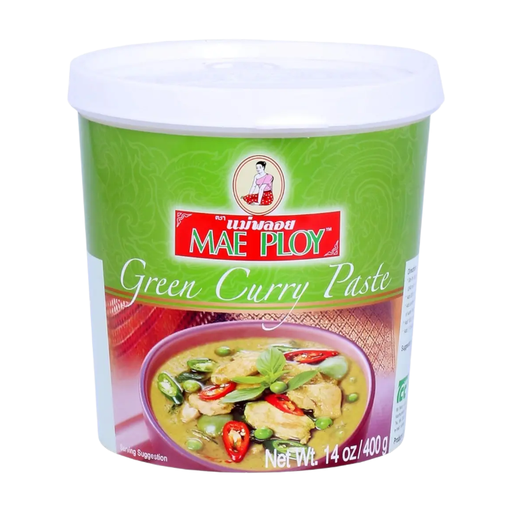
Why This Fits Their Persona: Suitable for cooks who regularly make Thai dishes and want a larger jar for repeated meals.
The ingredient list identifies green chilli, lemongrass, garlic, galangal and shrimp paste, helping shoppers understand the flavour and allergen profile.
400g format; suitable for curry, stir-fries, soups, marinades, noodles and rice dishes; contains crustaceans.
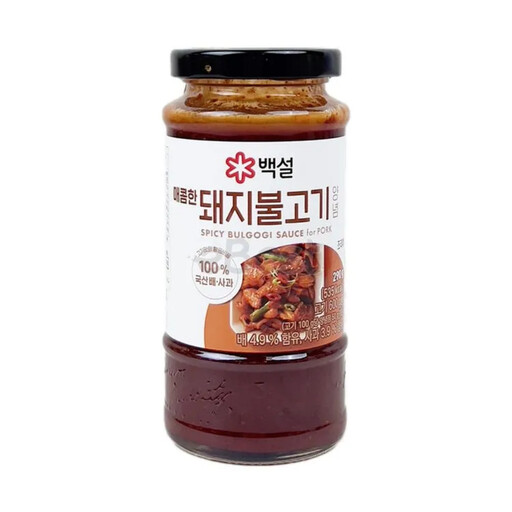
Why This Fits Their Persona: Designed for barbecue lovers who frequently prepare pork belly, ribs, chops or Korean-style grilled dishes.
Its stated use is specific to pork, with instructions and ingredients showing how it functions as a marinade or glaze rather than a general-purpose curry sauce.
Contains pear and apple purées, garlic, sesame and soy; suitable for grilling, pan cooking and stir-fries.
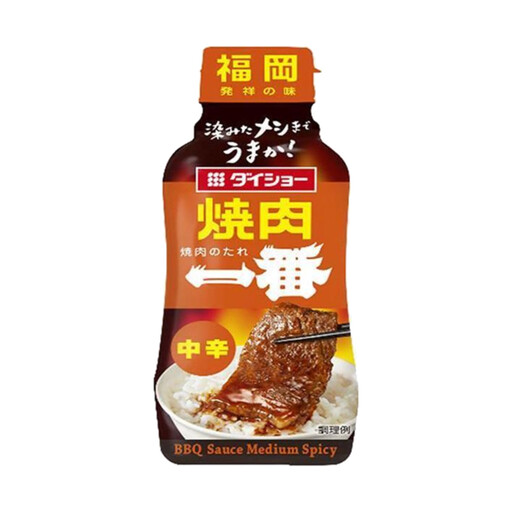
Why This Fits Their Persona: A practical choice for households wanting one squeezable bottle for dipping grilled meat, marinating or seasoning noodles and rice.
The medium-spicy description, 235g quantity and three stated uses make it easier to assess before purchase.
Made in Japan; includes soy sauce, garlic, ginger and sesame; refrigerate after opening.
We have compiled a complete, real-time list of products that fully satisfy these strict selection criteria and UK safety regulations.
Different products suit different menus:
Yes, provided you select a format with clear instructions. Ready-made cooking sauces require fewer additional ingredients, while pastes and dry mixes give you more control but need coconut milk, water, oil or other recipe components.
Storage varies. Many products require refrigeration after opening and should be used within the period stated on the label. Keep jars and bottles sealed, use clean utensils and check for changes in smell, colour or texture. The printed best-before information remains the reference for unopened products.
Usually, but check the product’s intended use and allergen information. Teriyaki, oyster sauce, mushroom sauce and Japanese BBQ sauce can work with vegetables, tofu, meat or noodles. A product specifically formulated for pork or a curry paste containing shrimp paste may be less suitable for certain dietary requirements.