
24/7 Customer Support

Free returns

Same-day & Next-day Delivery

Quality Guaranteed

Unlock Your Welcome Offers: FREE Delivery | Up to 80% OFF | Free 30-day JoyPlus trial
Download the APP
Choosing Asian sauces, curry pastes and seasonings online can feel straightforward until several similar bottles, tubs and curry blocks appear on screen. Marketing language may highlight “premium” ingredients or “restaurant-style” flavour, but the details that affect your meal are usually elsewhere: serving format, allergen information, salt content, heat level and storage after opening.
For UK households, students and meal-prep shoppers, three buying traps appear regularly:
A curry roux is a solid block or concentrated mix that dissolves into water or stock. It suits Japanese-style curry with potatoes, carrots, onions and meat or vegetables. A curry paste, such as Thai yellow curry paste, is generally fried in oil first before coconut milk or other liquid is added. This helps release its aroma and creates a stronger base for curries, soups and marinades.
Prepared curry sauces are different again. They are convenient for quick meals because they may only need heating and serving with rice, noodles or vegetables.
For Japanese dishes, look for a Japanese curry sauce mix in a clearly stated heat level such as mild, medium hot or hot. Some shoppers may specifically want an extra-hot Japanese curry, while others need a gentler option for children or shared family meals.
Chinese cooking sauces are often purchased as a combination:
A Chinese curry sauce is designed for a different flavour profile again, often producing a smooth, takeaway-style sauce when combined with meat, tofu or vegetables.
Do not assume that “vegetable” or “no meat contained” means suitable for every dietary requirement. Check for wheat, gluten, soy, celery, mustard, crustaceans, molluscs, fish and sesame. Mae Ploy Yellow Curry Paste, for example, lists shrimp paste and therefore contains crustaceans.
Salt levels can vary considerably between sauces and curry mixes. Use the per 100g or per 100ml figures to compare products, and remember that soy sauce is normally used in small quantities. Also check pack size: a 92g curry mix may suit one or two meals, whereas a 220g block or 400g paste is more practical for batch cooking.
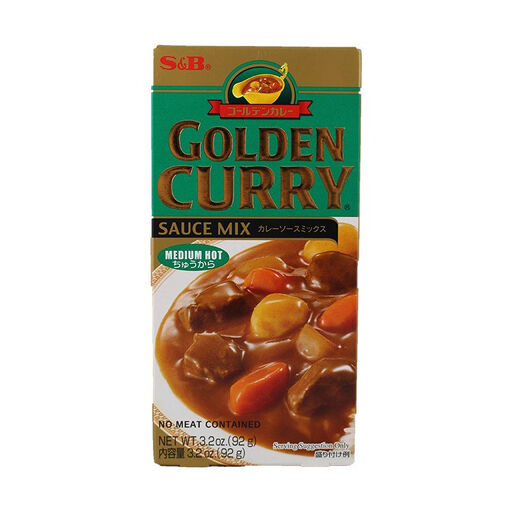
Why This Fits Their Persona: A compact option for students, first-time Japanese curry cooks and smaller UK kitchens. The instructions use meat, vegetables and water, with a 10–15-minute simmer after adding the mix.
The stated medium-hot level provides a clearer starting point than choosing a product based only on vague “spicy” wording. Allergen information identifies wheat and soy.
92g format; includes curry powder, onion, apple and honey powder for a sweet-savoury profile.
Why This Fits Their Persona: Suitable for shoppers building a Chinese-style pantry from scratch or replacing several bottles at once. It includes light soy sauce, dark soy sauce and oyster sauce.
The three separate formats reduce the risk of using one dark sauce for every recipe. Allergen details identify soy, wheat, celery and molluscs where applicable.
500ml light soy sauce, 500ml dark soy sauce and 555g oyster sauce for stir-fries, marinades and braises.

Why This Fits Their Persona: A larger format for Thai food enthusiasts, batch cooks and barbecue shoppers who want one paste for curries, soups and marinades.
The product gives clear preparation guidance: fry 2–3 tablespoons in oil before adding coconut milk. Its ingredient list also flags shrimp and possible fish, soy, peanut, sesame and mustard.
400g tub; includes lemongrass, galangal, coriander, cumin and turmeric; made in Thailand.
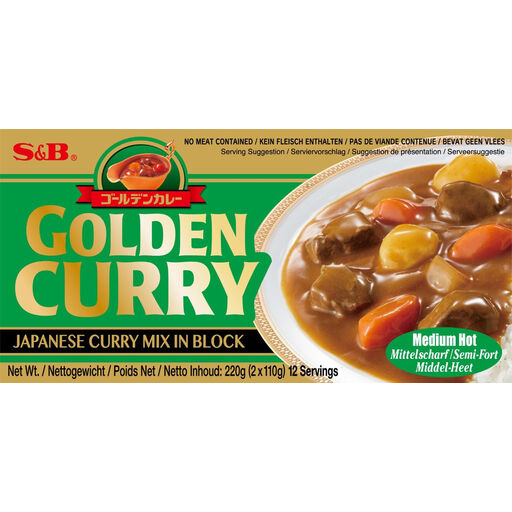
Why This Fits Their Persona: A practical choice for family dinners and meal preparation, with enough mix for multiple portions and flexible meat or vegetable combinations.
The pack states water quantities for half or the full box, helping cooks plan consistency instead of guessing the liquid ratio. It also states wheat and celery allergens.
220g solid blocks; approximately 600ml water for half a box or 1,200ml for a full box; 15-minute simmer before adding the roux.
We have compiled a complete, real-time list of products that fully satisfy these strict selection criteria and UK safety regulations.
No. Curry roux is usually a solid block containing flour, oil, spices and seasoning; it is dissolved into liquid near the end of cooking. Curry paste is a concentrated blend of aromatics and spices, often fried in oil before coconut milk or stock is added. Choose roux for convenient Japanese-style curry and paste for Thai-style dishes, marinades or soups.
Follow the label rather than assuming. Soy sauces and oyster sauce may advise refrigeration for quality, while curry paste commonly requires refrigeration and use within a stated period. Prepared Chinese curry sauce may need to be refrigerated and consumed within a few days. Keep dry curry mixes sealed and away from moisture.
Start with light soy sauce, dark soy sauce, oyster sauce and a curry mix that matches your preferred heat. A small spice rack can keep bottles and items such as black pepper seasoning organised without taking much worktop space. For barbecue cooks, black pepper and a suitable marinade sauce can cover steak, vegetables and skewers without requiring a large collection of ingredients.