
24/7 Customer Support

Free returns

Same-day & Next-day Delivery

Quality Guaranteed

Unlock Your Welcome Offers: FREE Delivery | Up to 80% OFF | Free 30-day JoyPlus trial
Download the APP
Choosing Asian sauces and seasonings can be surprisingly difficult. Shelves and online listings often use similar terms for products with very different flavours, ingredients, concentrations and serving sizes. A bottle labelled “soy sauce”, for example, may be intended for dipping, colouring, marinades or high-volume catering use.
This guide explains what to check before buying, from salt levels and allergens to bottle size and preparation instructions. It also highlights suitable options for UK home cooks, plant-based shoppers and professional kitchens.
Light soy sauce is generally used to add saltiness and savoury flavour without substantially darkening a dish. It is useful in stir-fries, dipping sauces, marinades and cold dishes.
Dark soy sauce is usually thicker, deeper in colour and often sweeter. It is mainly used to add colour and richness to braised dishes, stews and marinades. Substituting a large quantity of dark soy sauce for light soy sauce can make food too sweet, dark or strongly flavoured.
Always check the product description and suggested uses rather than relying only on the bottle colour.
Reduced-salt products can still contain a considerable amount of salt. For example, one 1-litre naturally brewed soy sauce listed in this range contains 16.9g of salt per 100ml, while a separate less-salt soy sauce lists 8.56g per 100ml. These figures are not equivalent to a low-salt food, so compare the nutrition panel and use small amounts.
Fish sauce and vegan fish sauce can also be particularly salty. Thai Taste Vegan ‘Fish’ Sauce lists 25.2g of salt per 100ml, making portion control important even when choosing a plant-based product.
Asian recipes often use seafood-based ingredients, including dried shrimp, bonito and anchovy. Thai Taste Pad Thai Sauce, for instance, includes dried shrimp, while Japanese soup stocks may contain bonito or sardines.
Check the full ingredient list and allergen statement for fish, crustaceans, molluscs, soybeans, wheat, gluten, peanuts and celery. This matters at home and is especially important for restaurants and caterers serving customers with allergies.
Look for a clear ingredient list that identifies the main flavour source. Traditional-style soy sauce may contain water, soybeans, wheat and salt, while other Chinese sauces can include sugar, colourings, preservatives or flavour enhancers.
For vegan shoppers, suitable choices should clearly state plant-based suitability where available, but the ingredient list remains the practical check. For example, a vegan ramen soup base may still contain soy and wheat, so vegan suitability does not mean allergen-free.
Compare nutrition per 100ml or 100g, then check how the product is used. A concentrated ramen soup base, Japanese soup stock or sukiyaki sauce may be diluted before serving, so the preparation instructions affect the final strength.
Kikkoman Concentrated Ramen Noodle Soup Base recommends mixing 30ml with 270ml of boiling water. Hon Tsuyu suggests dilution with two to four parts water, depending on taste and use. Using these products undiluted may produce an overly salty broth.
A 200–300ml bottle can suit occasional cooking, while a 1-litre or larger pack may offer better value for households that regularly prepare Asian dishes. However, large bottles take longer to use and may need refrigeration after opening.
Check whether the product requires refrigeration, how quickly it should be consumed and whether it must be used immediately after opening. For catering, calculate the likely weekly usage before choosing a bulk format.
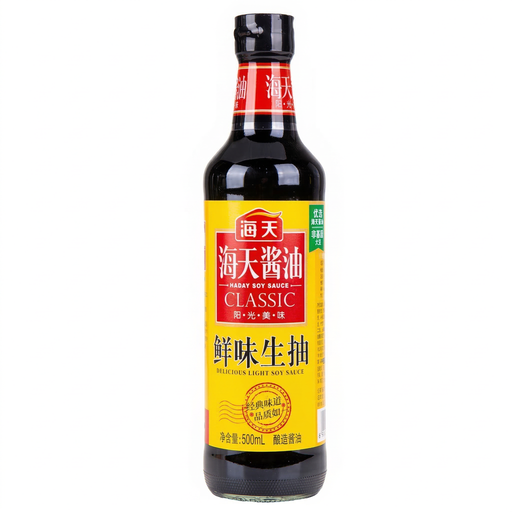
Why This Fits Their Persona: A practical starting bottle for UK kitchens exploring stir-fries, dipping sauces, cold salads and marinades without committing to a large catering pack.
It is identified as light soy sauce, helping shoppers avoid buying a dark sauce intended mainly for colour and braising.
500ml format; suitable for stir-frying, dipping, marinating and cold dishes. Contains soybeans and wheat.
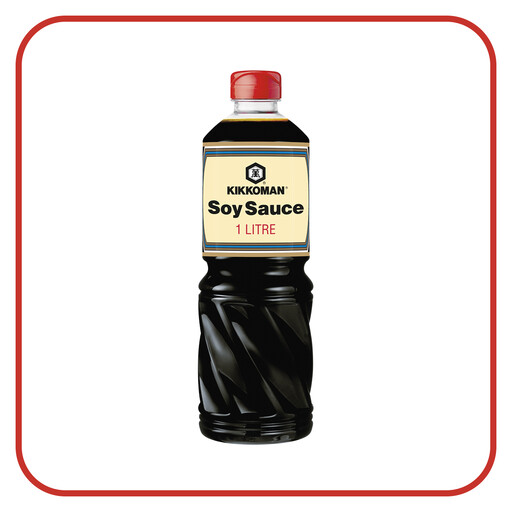
Why This Fits Their Persona: Suitable for cooks who want a versatile everyday soy sauce for Japanese, Chinese and fusion recipes, with a larger bottle for frequent use.
The listed nutrition panel provides a direct salt comparison, rather than relying only on reduced-salt wording.
1-litre PET bottle; listed as suitable for vegans and vegetarians; made with water, soybeans, wheat and salt.
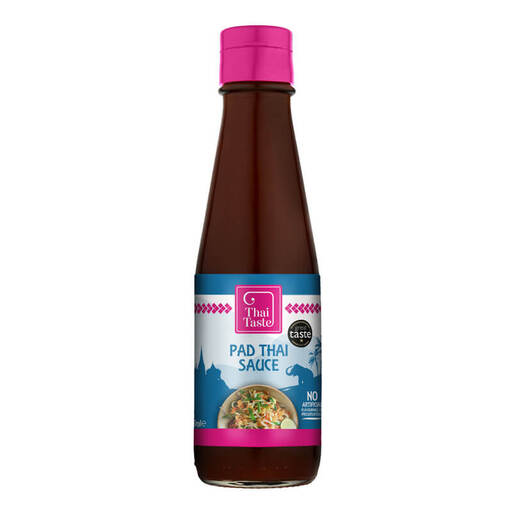
Why This Fits Their Persona: A convenient choice for cooks who specifically want to prepare Pad Thai with noodles, sprouts, vegetables and a preferred protein.
The stated serving method gives a usable quantity: 100ml of sauce for two servings, rather than vague “add to taste” guidance.
Made in Thailand; includes tamarind and shallots. Contains peanuts, soy, wheat and crustaceans, so check carefully before serving.
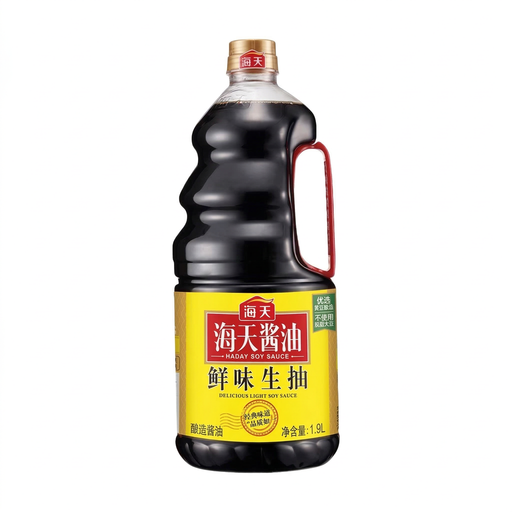
Why This Fits Their Persona: Designed for households with high daily usage, restaurants and catering businesses that need a large-format Chinese soy sauce.
The 1.9-litre volume makes the intended heavy-use application clear, avoiding poor value from repeatedly buying small bottles.
Suitable for stir-frying, braising, dipping and marinating; large catering-friendly format. Contains soybeans and wheat.
For Japanese dishes, dashi kombu can create stock from dried kelp, while a concentrated Japanese soup stock can simplify noodle broths, hot pots and dipping sauces. For sukiyaki, a ready-made sukiyaki sauce reduces the need to balance soy sauce, sugar and mirin separately.
For richer colour in Chinese braised dishes, consider a dark soy sauce such as HADAY Classic Mushroom Dark Soy Sauce. Use it sparingly because its colour is strong and its listed sugar content is higher than many light soy sauces.
For Thai cooking, fish sauce provides a fermented savoury note, while vegan fish sauce offers a plant-based alternative. For grilled or pan-fried seafood, fish seasoning can be more convenient than measuring several dry spices. Always check salt and allergen information before adding extra seasoning.
We have compiled a complete, real-time list of products that fully satisfy these strict selection criteria and UK safety regulations.
Choose light soy sauce for stir-fries, marinades, dipping sauces and cold dishes. Choose dark soy sauce when you mainly want deeper colour and richness in braised or stewed recipes. A versatile 500ml or 1-litre bottle is generally more practical for regular home use.
Some are, but not all. Soy sauce and certain ramen bases may be suitable for vegans, while fish sauce, bonito-based dashi and sauces containing dried shrimp are not. Read the ingredients and allergen information every time, especially when buying Thai condiments or Japanese soup stock.
Storage varies by product. Many should be kept in a cool, dry place before opening and refrigerated afterwards. Follow the bottle instructions, keep the cap tightly closed and check the best-before information. Concentrated sauces should also be diluted according to the label to control flavour and salt.