
24/7 Customer Support

Free returns

Same-day & Next-day Delivery

Quality Guaranteed

Unlock Your Welcome Offers: FREE Delivery | Up to 80% OFF | Free 30-day JoyPlus trial
Download the APP
Choosing Asian sauces, seasonings and spices can transform everyday cooking, but attractive packaging does not always tell you whether a product suits your recipes, dietary needs or cupboard space. A ramen base may be too salty for frequent use, a chilli oil may contain unexpected allergens, and a small spice jar may offer poor value for batch cooking.
This guide from the Joybuy Product Recommendation Officer focuses on the details worth checking before you buy, from ingredient lists and serving dilution to storage instructions and intended use.
A Japanese ramen soup base is usually designed to be diluted, whereas a dipping sauce or chilli topping may be ready to use straight from the jar. Using a concentrated base without adding water can result in an overly salty broth and poor value, as one bottle may only provide a limited number of servings.
Always check:
Terms such as “chicken flavour”, “seafood flavour” or “umami” do not necessarily indicate a high proportion of the named ingredient. Check the ingredients in descending order by weight. Some chicken powder products, for example, contain salt, flavour enhancers and starch before chicken-derived ingredients.
For those with allergies or dietary preferences, the bold allergen declaration is particularly important. Common allergens across these products include soy, wheat/gluten, sesame, celery, peanuts, almonds, crustaceans and fish.
Many cooking condiments are used in small amounts, but their nutrition panels can still vary considerably. Some seasonings contain more than 40g of salt per 100g, while chilli oils can be high in fat and salt. This does not make them unsuitable, but it does mean portion control matters.
Use the product as a flavour accent, then balance the dish with unsalted stock, vegetables, noodles, rice or other ingredients rather than adding extra salt automatically.
For soup bases, follow the stated preparation method. The Kikkoman Shoyu ramen base recommends mixing 30ml with 270ml of boiling water before adding cooked noodles. This makes it easier to portion the broth and adjust strength to taste.
For hot pot soup base, check whether the pack is a paste, liquid concentrate or solid block. A product such as a golden soup base may require water and boiling, while a dipping sauce may be ready immediately.
Ingredients are listed by weight, so the first few entries provide useful context. Look for:
For example, Chinese five spice may contain cinnamon, star anise, fennel, coriander, Sichuan pepper and liquorice. This is different from a single spice and should be selected according to the recipe.
A 28g spice shaker may suit occasional cooking, while a 1kg chicken powder is more appropriate for regular household use, catering or batch preparation. Once opened, some products require refrigeration or prompt consumption.
Check the storage instructions carefully:
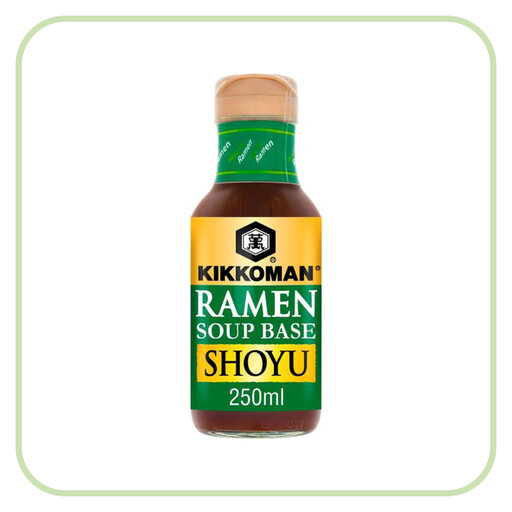
Why This Fits Their Persona: A practical starting point for UK cooks who want Japanese-style ramen without buying multiple broth ingredients. The 250ml bottle can also season stir-fries, rice and noodle soups.
The label gives a clear 30ml-to-270ml preparation ratio, helping prevent overuse of a concentrated product.
Made in Japan; vegan-friendly; suitable for ramen, stir-fries and rice dishes. Contains soy and wheat.
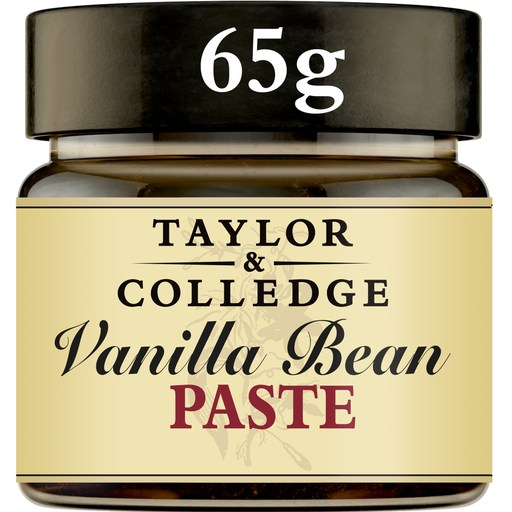
Why This Fits Their Persona: Suitable for bakers who want visible vanilla seeds in custards, cheesecakes, cakes and other desserts, with an organic ingredient specification.
The ingredient list identifies vanilla extract with seeds at 47%, rather than relying only on front-of-pack flavour language.
Organic product with visible vanilla seeds; designed for doughs, batters and desserts.
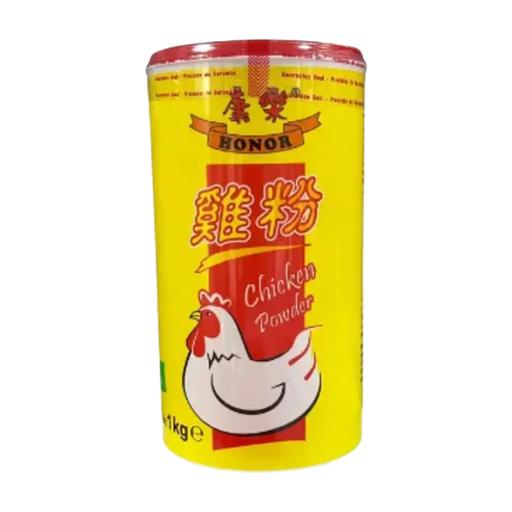
Why This Fits Their Persona: The 1kg format suits busy families, catering businesses and cooks who regularly prepare soups, marinades, sauces and stir-fries.
Its large format makes the intended high-frequency use clear, while the label lists celery, wheat and soy allergens.
Dissolves in hot water; can be used in broths, stir-fries, marinades and sauces. Use sparingly because it is high in sodium.
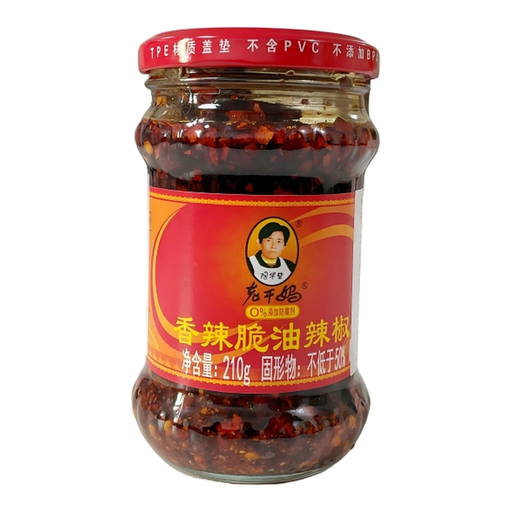
Why This Fits Their Persona: Useful for cooks who want ready-to-eat chilli oil with noticeable crispy pieces for noodles, rice, dumplings, hot pot or stir-fries.
The quantitative declaration specifies chilli flakes at 20%, peanuts at 8% and soybeans at 6%, helping shoppers assess texture and allergens.
Ready to eat; contains peanuts, soy and Sichuan pepper; 210g jar for repeated serving.
We have compiled a complete, real-time list of products that fully satisfy these strict selection criteria and UK safety regulations.
For Korean dishes, a Korean hot chilli sauce can add heat and sweetness to noodles, marinades and fried dishes. For a milder topping, crunchy garlic with chilli oil provides texture as well as warmth. Chinese cooking may call for a Chinese seasoning, Chinese five spice, preserved black bean chilli oil or a Sichuan dipping sauce.
For dishes beyond East Asia, consider Caribbean seasoning for meat, seafood, rice and soups, or a Baharat spice blend for lamb, koftas and meatballs. Baking enthusiasts can compare vanilla extract with vanilla bean paste: extract is liquid and easy to measure, while paste adds visible seeds and a thicker consistency.
Chilli oil is generally oil-based and may contain flakes, garlic, beans or spices. It is commonly spooned over noodles, rice and dumplings. Chilli sauce is usually thicker or more water-based and may contain sugar, soy sauce, garlic or other seasonings. Check the label for heat level, allergens and whether refrigeration is required after opening.
Keep unopened ambient products in a cool, dry place away from direct sunlight. After opening, follow the label rather than assuming every sauce has the same storage needs. Refrigerate products where instructed, close jars securely and use opened products within the recommended period.
Some may be suitable, but each product must be checked individually. Soy and wheat are common in ramen bases, chilli sauces and fermented bean products. Sesame, celery, peanuts, almonds and crustaceans also appear in selected items. Always read the current UK packaging, including “may contain” statements, before use.