
24/7 Customer Support

Free returns

Same-day & Next-day Delivery

Quality Guaranteed

Unlock Your Welcome Offers: FREE Delivery | Up to 80% OFF | Free 30-day JoyPlus trial
Download the APP
Cooking Japanese, Filipino and other Asian-inspired dishes at home is easier when the right sauces, seasonings and storage accessories are within reach. However, attractive packaging and broad “multi-use” claims can conceal practical drawbacks. A bottle may pour too quickly, a seasoning jar may be difficult to clean, or a sauce may contain allergens and high levels of salt that are easy to overlook.
This guide explains what to check before buying Asian sauces and seasonings, from oyster sauce and sushi seasoning sauce to Japanese sprinkle seasoning, pepper grinders, spice racks and oil dispensers.
Terms such as “Japanese-style”, “barbecue” or “sushi sauce” do not always explain how a product should be used. A sushi rice seasoning sauce is generally intended to be mixed with cooked rice, while Japanese soy sauce for dipping sushi may be better suited to controlled table use. Check the ingredients, serving suggestions and bottle size before assuming two similar-looking sauces are interchangeable.
Many Asian cooking ingredients contain soybeans, wheat, gluten, fish, molluscs or eggs. For example, oyster sauce commonly includes oysters and soy sauce, while Japanese sprinkle seasoning may contain egg, fish, wheat and soy. Always read the latest label, particularly when cooking for children, guests or anyone with a food allergy.
Salt and sugar also vary considerably. Mama Sita’s Oyster Sauce Bottle lists 4.69g of salt and 17g of sugars per 100g, while the supplied nutrition information for Daisho Yakiichi Black Pepper BBQ Sauce lists 4.2g of salt and 28g of sugars per 100ml. These figures do not determine whether a sauce is suitable for you, but they are useful when comparing products and planning portions.
A spice rack needs to fit your worktop or cupboard, and an oil dispenser needs a reliable lid and a spout that does not create drips. Small seasoning jars may be convenient, but a set with limited capacity can require frequent refilling. Consider the available footprint, cleaning method and how often you cook before choosing a decorative organiser.
Match the product to the dish:
A 125ml sushi rice seasoning sauce is practical for occasional sushi preparation, while a 405g oyster sauce bottle may suit households that regularly make stir-fries or marinades. For shared meals, a dispenser with a narrow spout can help control oil or soy sauce more accurately than an open-neck bottle.
When comparing accessories, distinguish between nominal capacity and usable capacity. A 500ml oil dispenser is easier to lift and refill than a 1,000ml model, but the larger size may be more convenient for frequent cooking. Leave enough room to handle the bottle safely without overfilling.
For spice and condiment storage, look for clearly labelled containers, secure lids and materials that can be cleaned properly. Glass allows the contents to be seen, while stainless steel can reduce exposure to light for some ingredients. The Cole & Mason carousel instructions specify wiping the frame rather than immersing it, with glass jars and lids hand-washed separately.
For an oil dispenser or kitchen cruet, a wide opening makes refilling and cleaning easier. A dust cover can help limit surface contamination, but the lid and spout still need regular washing and drying. Avoid storing sauces or oils beside a hob, where heat can affect quality and make the container uncomfortable to handle.
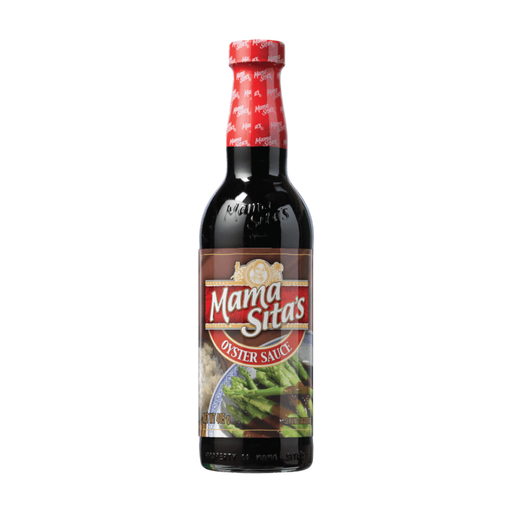
Why This Fits Their Persona: A practical starting point for UK cooks building a core cupboard of Asian sauces and seasonings, with a 405g bottle suited to stir-fries, marinades and dipping sauces.
The product information clearly identifies oysters, soy and wheat, helping shoppers check allergens before purchase. Refrigeration after opening is also specified.
405g quantity; suitable for stir-fries, stews, vegetables, dumplings and marinades.
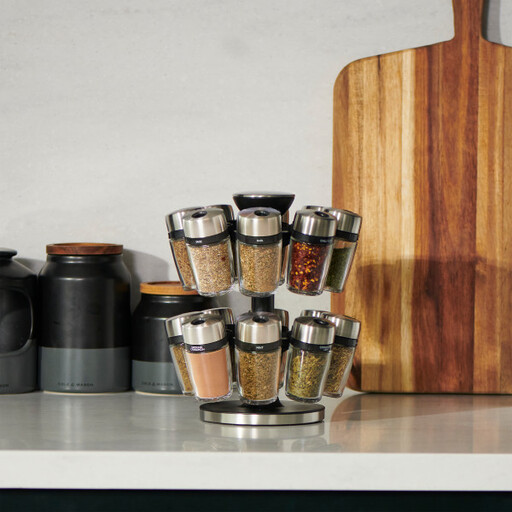
Why This Fits Their Persona: Designed for cooks who want a visible, organised spice rack with a larger selection of herbs and spices close to the preparation area.
The 16 jars are labelled and arranged on a 360-degree rotating carousel, reducing the need to search through a crowded cupboard.
16 clear glass jars; lids offer seal, shake and pour settings; frame uses stainless steel and ABS.
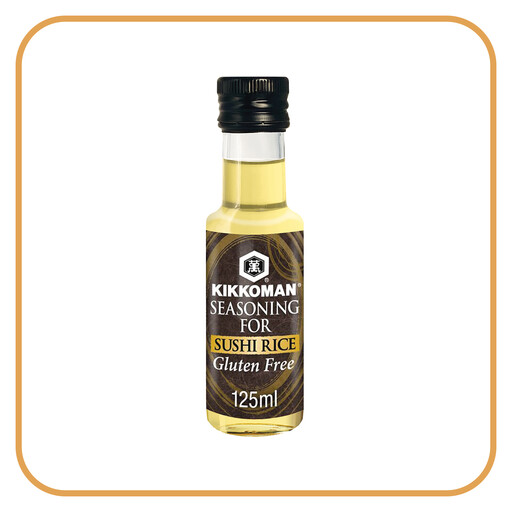
Why This Fits Their Persona: A focused choice for sushi and Japanese food lovers preparing sushi rice, onigiri, chirashi bowls or Japanese-style salad dressings at home.
The product is specifically described for sushi rice and provides a measured guide of 2–3 tablespoons for 300g of rice.
125ml bottle; ingredients include 50% rice vinegar, sugar, water and salt; listed as allergen-free, subject to checking the current label.

Why This Fits Their Persona: Suitable for frequent cooks who use oil, soy sauce or sesame oil throughout the week and prefer a larger refill interval.
The wide opening is intended to simplify refilling and cleaning, while the built-in dust cover helps keep the spout covered between uses.
1,000ml capacity; 304 stainless steel pot; eagle-style spout and one-handed handle design.
We have compiled a complete, real-time list of products that fully satisfy these strict selection criteria and UK safety regulations.
Follow the product label first. Many sauces recommend refrigeration after opening, including oyster sauce and sushi rice seasoning sauce. Keep bottles tightly closed and away from direct sunlight or heat. Use clean utensils and check for changes in smell, colour, texture or the printed date.
A sushi rice seasoning sauce is a useful starting point for seasoning cooked rice. Pair it with a Japanese soy sauce intended for sushi and sashimi if you also want a dipping condiment. Check whether each bottle contains wheat or soy, and measure the seasoning rather than adding it by eye.
They can be worthwhile if they make frequently used ingredients easier to identify and reach. A rotating rack with labelled glass jars suits a well-stocked worktop, while smaller seasoning jar sets may suit compact kitchens. Measure your available space first and choose containers that can be cleaned and fully dried.