
24/7 Customer Support

Free returns

Same-day & Next-day Delivery

Quality Guaranteed

Unlock Your Welcome Offers: FREE Delivery | Up to 80% OFF | Free 30-day JoyPlus trial
Download the APP
Hello, I'm the Joybuy Product Recommendation Officer. My role is to help you navigate the crowded shelves of sauces and seasonings to find the right ingredients for your kitchen. As more of us in the UK embrace the joy of cooking Japanese and Chinese food at home, the array of available condiments can be both exciting and overwhelming.
However, not all bottles are created equal. Many home cooks find themselves disappointed when their homemade sushi or stir-fry doesn't taste quite like their favourite restaurant's version. This is often down to choosing the wrong sauce. Let's look at a couple of common pitfalls to avoid.
To ensure you are getting what you pay for, it helps to understand a few core parameters. Paying attention to these details on the label will empower you to choose sauces that deliver the flavour and quality your home cooking deserves.
The heart of many Asian sauces is the base liquid, which dictates the fundamental flavour profile.
The type of sweetener used has a significant impact on the final taste. Traditionally, sugar, maltose or the natural sweetness from the rice fermentation process is used. However, to cut costs, some products use high-fructose corn syrup or artificial sweeteners like sucralose (E955). While this is a matter of personal preference, those seeking a more traditional flavour profile may wish to check the ingredients for these additions. Similarly, flavour enhancers like monosodium glutamate (MSG, E621) are common but not always desired.
Consider how you plan to use the sauce.
Based on an analysis of ingredients, intended use and overall value, here are a few recommendations matched to different types of home cooks in the UK.

Why This Fits Their Persona: This is for the home cook dedicated to perfecting their sushi rolls. It provides the convenience of a pre-mixed, balanced seasoning, ensuring consistent, restaurant-style sushi rice without the hassle of measuring sugar and salt.
It directly solves the "base vs. seasoned" confusion. This is explicitly a sushi seasoning, a ready-to-use product that prevents the mistake of buying plain vinegar for sushi rice.
A reliable blend of rice vinegar, sugar and salt for consistent results. Takes the guesswork out of achieving the perfect sweet-and-sour balance for sushi rice.
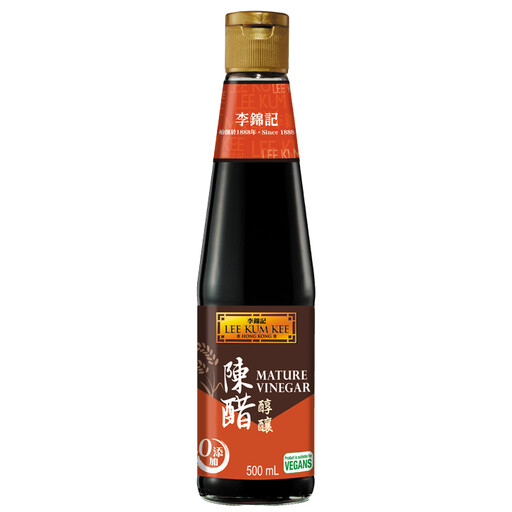
Why This Fits Their Persona: For the adventurous cook who wants a versatile, high-quality pantry staple for various Chinese dishes. This vinegar is robust enough for braises, dressings and creating a flavourful dumpling dipping sauce.
This product sidesteps the "authentic illusion" by using a traditional grain base of sorghum, wheat bran, barley and peas, delivering a genuinely complex flavour rather than a simple, artificially flavoured one.
A versatile, multi-purpose vinegar with a rich aroma and mild acidity. It is suitable for cold dishes, cooking and dipping, making it a great all-rounder for a Chinese-inspired pantry.
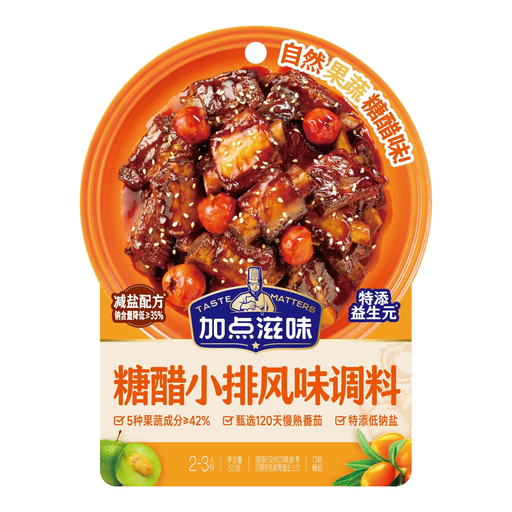
Why This Fits Their Persona: Perfect for students, busy professionals or anyone new to Chinese cooking. This single-serving sachet provides a foolproof way to create a classic sweet and sour dish without needing a cupboard full of ingredients.
This is the definition of a convenient, ready-to-use product. Its purpose is clear, eliminating any confusion. It also uses red yeast rice for colour, avoiding artificial dyes often found in lower-quality sauces.
A simple, one-step seasoning for a quick and flavourful meal. The sachet format is low-commitment and ideal for trying out a new dish without buying large bottles.
We have compiled a complete, real-time list of products that fully satisfy these strict selection criteria and UK safety regulations.
Regular rice vinegar contains only vinegar. It has a sharp, acidic taste and is a base ingredient. Seasoned rice vinegar, on the other hand, has sugar and salt already added to it. This creates a balanced sweet, salty and sour flavour profile that is specifically designed for making sushi rice. If a recipe calls for sushi vinegar, you should use the seasoned variety.
This varies by product, so always check the packaging for specific storage instructions. As a general rule, most vinegars are quite stable but should be stored in a cool, dark place. Sauces containing sugar, soy or other ingredients, such as mirin or stir-fry sauces, should be refrigerated after opening to maintain their quality and freshness. Most will recommend consumption within a few weeks to a few months.
While both add sweetness and acidity, they are not direct substitutes. Mirin for cooking has a unique, deep umami flavour from the fermentation of glutinous rice and is more syrupy. Seasoned rice vinegar is tangier and primarily used to flavour rice. Using mirin in place of sushi vinegar would make the rice too sweet and lack the right acidic balance, while using sushi vinegar in a glaze would make it too sharp and salty. It is advisable to use the correct ingredient for the best results.