
24/7 Customer Support

Free returns

Same-day & Next-day Delivery

Quality Guaranteed

Unlock Your Welcome Offers: FREE Delivery | Up to 80% OFF | Free 30-day JoyPlus trial
Download the APP
Asian sauces and condiments can transform noodles, rice, grilled meat and packed lunches with very little preparation. However, attractive packaging and phrases such as “authentic”, “extra hot” or “restaurant-style” do not always tell you whether a product suits your kitchen.
Three common buying traps are worth avoiding:
The right purchase depends less on a fashionable label and more on how you intend to use it.
First decide whether you need a cooking ingredient, a ready-to-use dip, a marinade or a finishing sauce.
Checking the serving suggestions on the label helps prevent buying a product that only suits one recipe.
Concentrated Japanese sauces can deliver considerable flavour in a small serving. For example, the Daisho noodle dipping sauces are described as three-times concentrated, with instructions to dilute one part sauce with two parts water. This affects both taste and how long the bottle may last.
Nutrition panels are also useful for comparing products. The supplied mentsuyu options list salt at 9.9g per 100g for the wasabi flavour and 27.5g per 100g for the yuzu flavour. These figures are for the product as sold, not necessarily the diluted serving, so follow the preparation guidance and use the sauce as part of a balanced diet.
Sweet sauces can also contain substantial sugar. Mae Ploy Sweet Chilli Sauce lists approximately 62g of sugars per 100g, while gochujang and other chilli pastes may combine sweetness with salt and fermented savoury notes. These are flavouring ingredients rather than products to use in unlimited quantities.
For UK shoppers, always read the current packaging before purchase, particularly where allergies or dietary requirements are involved. Common ingredients include:
Storage instructions can influence value. Some dips should be refrigerated and used within a few days after opening, while sauces may last longer when kept chilled and tightly sealed. A 500g or 730ml bottle may suit frequent users, but a smaller tub can be more practical for students, occasional cooks or households trying a new flavour.
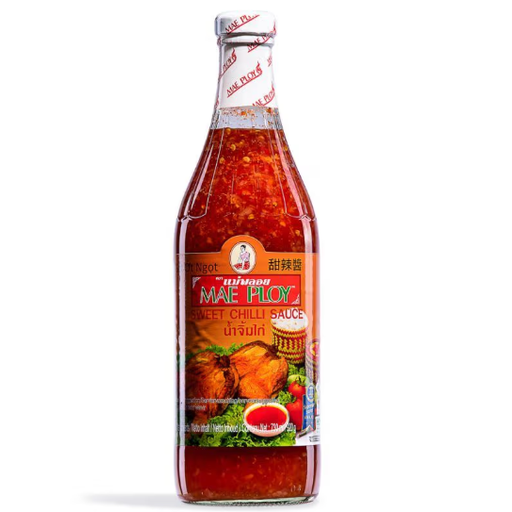
Why This Fits Their Persona: The large bottle suits regular use with spring rolls, stir-fries, grilled food and quick weekday marinades.
Its stated uses cover dipping, glazing and marinading, rather than relying on heat alone. Refrigerate after opening and check the recommended usage period.
730ml format; ingredients include chilli, garlic and vinegar; no allergens are listed in the supplied ingredient information.

Why This Fits Their Persona: A squeeze format and Japanese-style profile suit cooks who want a ready-to-use topping for sushi, sandwiches, salads and Japanese dishes.
The product information identifies egg yolk, rice vinegar and oil percentages, helping shoppers assess the style rather than relying only on front-label wording.
500g squeeze tube; contains 17% egg yolk and 68% vegetable oil; suitable for dipping, spreading and dressing.
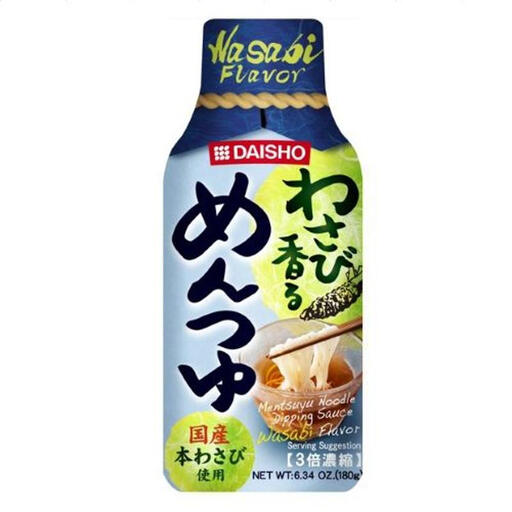
Why This Fits Their Persona: It is designed for soba, udon and somen, making it practical for frequent noodle lunches and quick Japanese-style meals.
The three-times concentration is clearly stated, so users can dilute it instead of treating it as a ready-to-pour sauce.
Wasabi flavour; suitable for dipping or seasoning; 180ml bottle with soy and wheat allergens clearly identified.
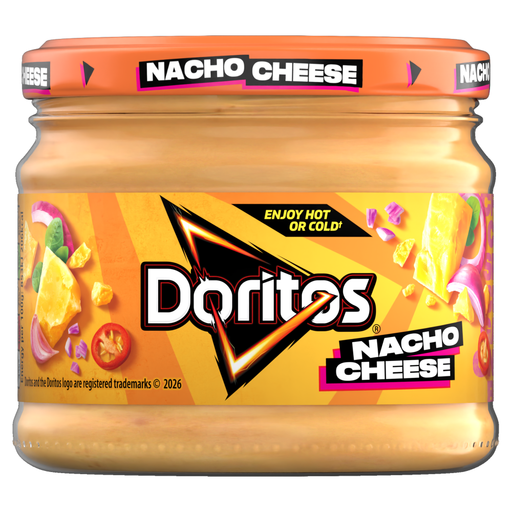
Why This Fits Their Persona: The jar is suited to sharing plates, gatherings, nachos and vegetable sticks, with cold or warmed serving options.
The instructions specify microwave heating in short intervals and refrigeration after opening, helping prevent misuse and unnecessary waste.
280g sharing jar; can be served hot or cold; contains mature white cheddar, sour cream and soft cheese.
We have compiled a complete, real-time list of products that fully satisfy these strict selection criteria and UK safety regulations.
A versatile starting selection could include sweet chilli sauce, ponzu sauce, Japanese mayonnaise and a Korean chilli paste. Together, they cover dipping, dressing, sandwich filling, marinading and stir-frying without requiring specialist equipment.
Often, yes. Mentsuyu is commonly sold concentrated. Check whether the bottle states a ratio such as one part sauce to two parts water, then adjust carefully for the dish. Wasabi and yuzu versions can also have noticeably different flavour intensity.
There is no single lifespan. Some products advise refrigeration and prompt consumption, while sharing dips may recommend use within three days. Always follow the manufacturer’s storage instructions, keep the container sealed and check the best-before information and condition before serving.