
24/7 Customer Support

Free returns

Same-day & Next-day Delivery

Quality Guaranteed

Unlock Your Welcome Offers: FREE Delivery | Up to 80% OFF | Free 30-day JoyPlus trial
Download the APP
Choosing Asian sauces and condiments online can be harder than it looks. A bright label may promise restaurant-style flavour, yet the bottle may be unsuitable for your intended dish, contain unexpected allergens or require refrigeration soon after opening.
Whether you are shopping for Japanese mayonnaise, chilli oil, ponzu sauce, tonkatsu sauce, satay sauce or noodle dipping sauce, these checks can help you spend less on products that remain unused in the cupboard.
“Japanese-style”, “Asian-inspired” and “spicy” do not describe the sauce’s complete flavour profile. A ponzu sauce is generally citrusy and savoury, while tonkatsu sauce is thicker and fruitier. A chilli oil may contain crunchy ingredients such as peanuts or fermented beans, making it quite different from a smooth hot sauce.
Consider the dish first:
Some cooking sauces are ready to pour, whereas concentrated products need dilution. Daisho yuzu mentsuyu, for example, is labelled as a 3x concentrated sauce and is intended to be diluted with two parts water for dipping. Using it neat may produce a saltier, stronger result than expected.
Similarly, a sauce described as a dressing may work well over cold seafood or vegetables but may not be designed for prolonged cooking. Check the preparation instructions rather than assuming every bottle is interchangeable.
Many Japanese condiments contain soy, wheat, egg or mustard. Satay sauces commonly contain peanuts, while seafood-flavoured products may contain crustaceans. Read the full ingredient list and allergen statement before buying, particularly when catering for guests.
Storage also affects value. Several mayonnaise and sauce products require refrigeration after opening and should be consumed within a stated period. A large bottle is only economical if you use it before its recommended post-opening window.
Look for the ingredients that create the character you want:
A thick sauce that clings to food is useful for fried dishes and glazing. A thinner sauce is generally easier to dilute, drizzle over salads or use as a noodle dipping sauce.
Compare both net weight and how the product is used. A 180g concentrated mentsuyu may provide several servings when diluted, while a ready-to-use dressing is measured directly from the bottle. Check whether the pack is sold by weight or volume, as mayonnaise, oil-based sauces and liquid dressings are not always comparable on a like-for-like basis.
Sauces are often used in small portions, but some have notable salt or sugar levels. For example, the listed nutrition for Daisho yuzu mentsuyu shows 27.5g salt per 100g, while RISHIJI seafood-flavoured dipping sauce lists 9.0g salt per 100g. These figures do not determine whether a product suits you, but they are useful when planning portion sizes.
Always check the packaging supplied with your order, as formulations and labelling can change. Look for bold allergen declarations covering cereals containing gluten, soy, egg, mustard, peanuts, sesame and crustaceans where relevant.

Why This Fits Their Persona: A 500g squeeze tube suits households using Japanese mayonnaise for sandwiches, salads, sushi bowls, chips and Japanese-style snacks.
The product information states that it uses rice vinegar and is ready to use, so there is no preparation or dilution to calculate.
Squeeze-tube format; listed with 17% egg yolk and 68% vegetable oil. Contains egg, soy, wheat, barley and mustard.

Why This Fits Their Persona: Suitable for cooks who want a Japanese-style mayonnaise with a squeezable bottle for controlled topping, dipping and mixing.
Its listed ingredients specify pasteurised egg yolk rather than whole egg, helping shoppers distinguish it from standard mayonnaise formulas.
450g squeeze bottle; designed for spreading, seasoning, dipping and mixing. Contains egg, soy, barley and mustard.
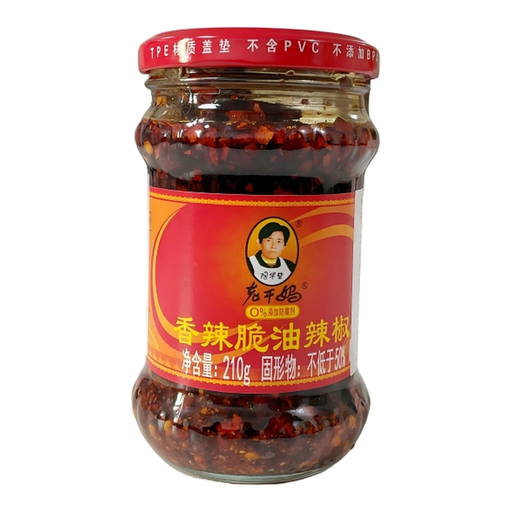
Why This Fits Their Persona: A practical choice for chilli fans who regularly season noodles, rice, dumplings, hot pot dishes and stir-fries.
The product description clearly identifies a crispy, particle-textured chilli oil rather than implying a smooth hot sauce.
Contains 20% chilli flakes, 8% peanuts and 6% soybeans; ready to eat from the jar. Contains soy and peanuts.
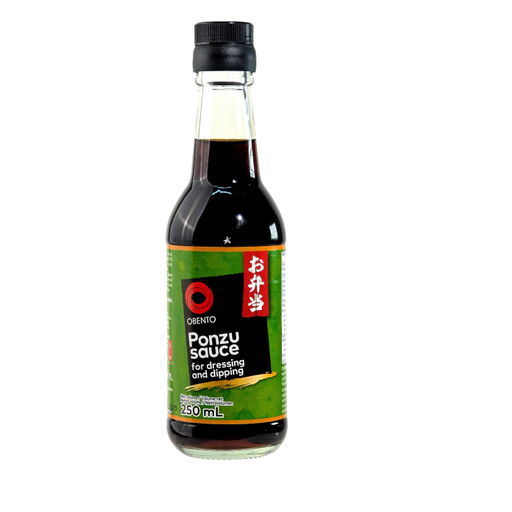
Why This Fits Their Persona: Its citrus and soy profile works across sushi, sashimi, tempura, tofu, cold noodles, salads and marinades.
The usage guidance covers dipping, dressing, marinating and cooking, making its intended applications clear.
250ml bottle; country of origin listed as Japan. Contains soy and wheat, with possible traces of crustaceans and eggs.
We have compiled a complete, real-time list of products that fully satisfy these strict selection criteria and UK safety regulations.
Start with one versatile product from each use group: Japanese mayonnaise for sandwiches and sushi-style dishes, ponzu sauce for dipping and salads, chilli oil for noodles and rice, and a cooking sauce such as tonkatsu or satay sauce. This gives you varied flavours without buying several similar bottles.
It depends on the label. Many unopened sauces can be stored in a cool, dry cupboard, but mayonnaise, ponzu and concentrated noodle sauces commonly require refrigeration after opening. Follow the product’s storage instructions and keep the cap tightly closed.
Use a clean spoon or pour directly without touching the bottle opening to food. Refrigerate products when instructed, avoid leaving them beside a hob, and check the recommended use period after opening. Buying a smaller bottle can be more economical than discarding a larger one that has passed its advised storage window.