
24/7 Customer Support

Free returns

Same-day & Next-day Delivery

Quality Guaranteed

Unlock Your Welcome Offers: FREE Delivery | Up to 80% OFF | Free 30-day JoyPlus trial
Download the APP
Choosing Asian sauces and cooking pastes online can be difficult when several products look similar but behave very differently in a recipe. A Korean fermented paste is not interchangeable with a sweet Chinese bean sauce, while a concentrated Thai curry paste may require cooking before serving.
For UK home cooks, the main challenge is finding products that match the intended dish, suit dietary requirements and can be stored safely after opening. This guide explains the details worth checking before you buy Asian sauces online.
“Bean paste”, “soybean paste” and “chilli paste” can refer to very different flavour profiles. Korean soybean paste, or doenjang, is typically savoury and fermented, making it suitable for stews, dips and marinades. By contrast, sweet bean paste is sweeter and commonly used with noodles, pancakes or roast meats.
Likewise, gochujang has a sweet, spicy and fermented profile, whereas ssamjang is a seasoned dipping paste designed for lettuce wraps, grilled meat and Korean barbecue-style meals.
Many Asian condiments are concentrated, so a small quantity can add considerable salt. For example, the listed salt content is 11.3g per 100g for Lee Kum Kee Chilli Bean Sauce and approximately 20g per 100g for Maepranom Thai Shrimp Paste Sauce. These products are intended to be used sparingly.
Always check bold ingredient declarations for soybeans, wheat, sesame, peanuts, fish and crustaceans. A paste may also be produced in a facility handling other allergens, even when those ingredients are not included in the recipe.
Some products are ready to add directly to rice, noodles or vegetables. Others should be fried, diluted or cooked first. Thai curry paste, for instance, is generally fried in oil before coconut milk and other ingredients are added. Product instructions and the packaging should take priority over general recipe advice.
Start with the dish rather than the product name. These categories can help:
A shorter ingredient list does not automatically mean a product is suitable for every diet, but it can make selection clearer. Meridian Natural Light Tahini contains 100% roasted hulled sesame seeds and is listed as vegan, gluten-free, dairy-free and free from added sugar and salt. It is not suitable for people avoiding sesame and may contain nuts or peanuts according to the product information.
Some Korean soybean pastes contain wheat or barley alongside soybeans. Mae Ploy Yellow Curry Paste contains shrimp paste, so it is unsuitable for people avoiding crustaceans. Check the current pack label before purchase, particularly if cooking for guests.
A large tub may offer practical value for frequent cooks, but a small jar can be more suitable for occasional recipes. Consider:
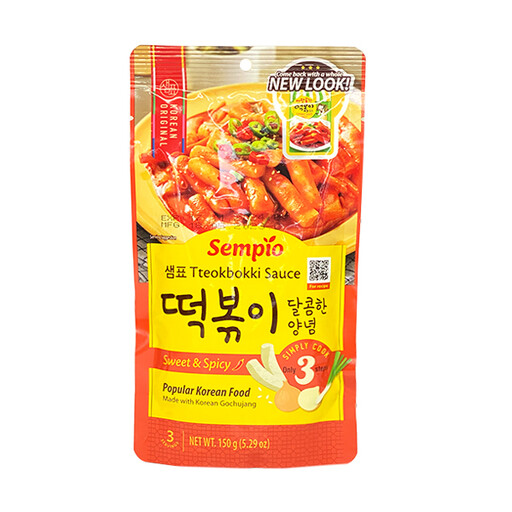
Why This Fits Their Persona: A compact option for cooks trying Korean flavours without buying several separate ingredients. It is designed for tteokbokki and can also be used with rice cakes, fish cakes and similar quick meals.
Its intended dish and flavour direction are clearly defined, reducing the risk of mistaking a general chilli paste for a sweet-spicy topokki sauce.
Purpose-made Korean sauce; 150g size is manageable for occasional use.
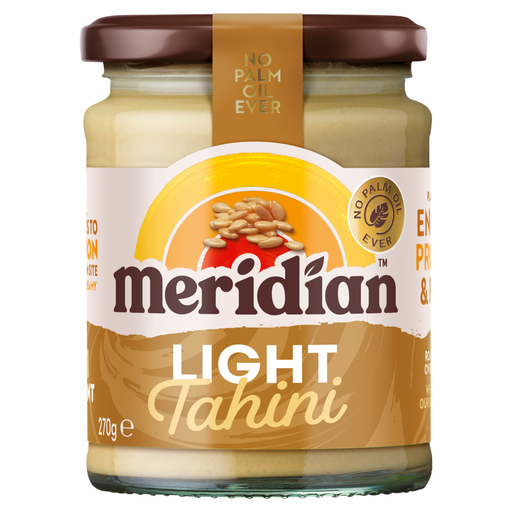
Why This Fits Their Persona: Suitable for shoppers seeking a straightforward sesame paste for dressings, dips, hummus-style recipes and noodle sauces.
The ingredient list identifies roasted hulled sesame seeds as the sole ingredient, making it easier to assess what you are buying.
100% roasted hulled sesame seeds; no added sugar or salt; vegan-friendly.

Why This Fits Their Persona: A larger format for regular Thai cooking, including yellow curries, soups and marinades. It suits households that use curry paste frequently rather than for a single recipe.
The product information states that it requires cooking, so it is less likely to be used incorrectly as a ready-to-eat dipping sauce.
400g format; includes lemongrass, galangal, coriander, cumin and turmeric in the listed recipe.
For Korean meals, Chung Jung One Jaerae Soybean Paste 500g can be used in doenjang jjigae, marinades and vegetable dips. For a ready-to-use wrap condiment, O’Food Mild Seasoned Soybean Paste (Ssamjang) 170g combines seasoned soybean paste with garlic, onion and red pepper.
Chinese cooking options include Lee Kum Kee Chilli Bean Sauce (Toban Djan) 368g, Shinho Congbanlv Sweet Bean Paste 180g and Liubiju Sesame Paste 300g. For a crunchy finishing touch, Lao Gan Ma Spicy Crispy Oil Chilli 210g can be added directly to noodles, rice, dumplings or stir-fries.
A bottle of Mae Ploy Sweet Chilli Sauce 730ml is suited to dipping and glazing, while Maepranom Thai Shrimp Paste Sauce 100g offers a concentrated seafood flavour for Thai curry pastes and salads. Check crustacean warnings before serving.
We have compiled a complete, real-time list of products that fully satisfy these strict selection criteria and UK safety regulations.
Doenjang is a savoury fermented Korean soybean paste. Gochujang is a red pepper paste with sweet, spicy and fermented notes. Ssamjang is a seasoned dipping paste commonly served with grilled meat and lettuce wraps. Their ingredients and intended uses differ, so they should not be treated as interchangeable.
Storage varies by product. Many pastes should be sealed and refrigerated after opening, with some packaging recommending use within one month or several weeks. Always follow the label, use clean utensils and check for changes in smell, colour or texture before use.
Yes. When choosing products online, compare the net quantity, ingredient list, allergen information, storage instructions and preparation method. Selecting one versatile paste, one dipping sauce and one finishing condiment can provide a practical starting point without overfilling your cupboard.