
24/7 Customer Support

Free returns

Same-day & Next-day Delivery

Quality Guaranteed

Unlock Your Welcome Offers: FREE Delivery | Up to 80% OFF | Free 30-day JoyPlus trial
Download the APP
Choosing Asian sauces and condiments can quickly become confusing. Shelves and online listings include soy sauce, chilli paste, noodle concentrates, marinades, hot pot bases and dipping sauces, often with similar-looking packaging but very different uses.
For UK home cooks, the main challenge is not finding a sauce. It is choosing one that matches your cooking style, dietary needs and storage habits without paying for a large bottle that remains unused. This guide explains the main buying pitfalls, the specifications worth checking and a selection of products matched to different kitchen needs.
Some Japanese seasonings and noodle sauces are designed to be diluted. For example, a 3x concentrated mentsuyu may look like a small bottle, but it is intended to be mixed with water before serving. Similarly, soup stocks and hot pot bases may need dilution to achieve a suitable flavour and consistency.
Always check whether the product is:
Using a concentrated sauce without dilution can make a dish excessively salty or sweet.
A sauce described as mushroom-based or vegetarian may still contain soy, wheat or other allergens. Conversely, a product that works well with vegetables may not have a vegan formulation unless the ingredients explicitly confirm it.
Check the full ingredients list for:
This is particularly important when buying Asian cooking sauces for a household with allergies or mixed dietary preferences.
A 730g sweet chilli sauce or 510g stir-fry sauce may offer useful volume for regular family cooking, but a smaller tub can be more practical if you are trying a strong chilli paste or fermented seasoning for the first time.
Large packs can represent poor value if:
Asian sauces are not interchangeable. Soy sauce adds salt and umami; fish sauce contributes a pronounced fermented seafood character; chilli sauce adds heat, sweetness or acidity; and a barbecue marinade is usually formulated to coat and flavour food before cooking.
Match the product to the dish:
Sauces are generally used in small quantities, so compare nutrition panels on a per-100g or per-100ml basis and consider how much you will add to a full meal. Several products in this category contain notable amounts of salt or sugar.
For example, Thai Taste Fish Sauce lists 17.7g of salt per 100ml, while Daisho Yuzu Mentsuyu lists 27.5g of salt per 100g. These figures do not mean the entire bottle is used at once, but they do reinforce the importance of measuring concentrated products carefully.
Sweet chilli sauces, Korean barbecue sauces and char siu sauces may also contain substantial sugar, which can help with glazing but may cause sticking or burning if used over very high heat.
Storage instructions vary considerably. Some products can remain in a cool cupboard before opening, while others should be refrigerated once opened. Lee Kum Kee Chilli Bean Sauce, for instance, advises refrigeration and consumption within one month after opening. Always follow the packaging supplied with your purchase.
Look for clear information about:
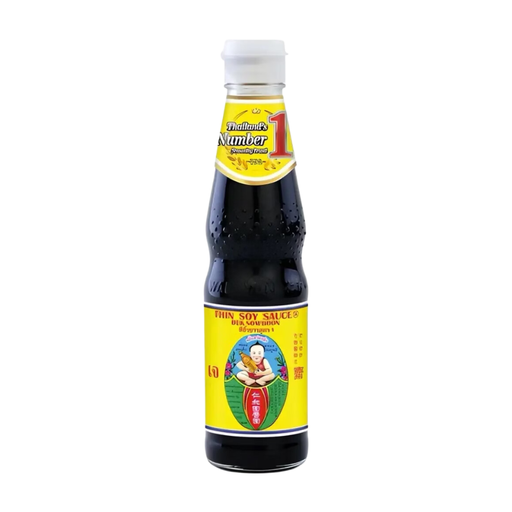
Why This Fits Their Persona: A manageable bottle for cooks building a basic Asian pantry and wanting one seasoning for stir-fries, soups, marinades and dipping sauces.
Its listed uses are broad, reducing the risk of buying a highly specialised sauce for occasional cooking. Check the soy and wheat allergen information before ordering.
300ml format; suitable for cooking, marinades and dipping; Thai product with soybeans and wheat listed clearly as allergens.
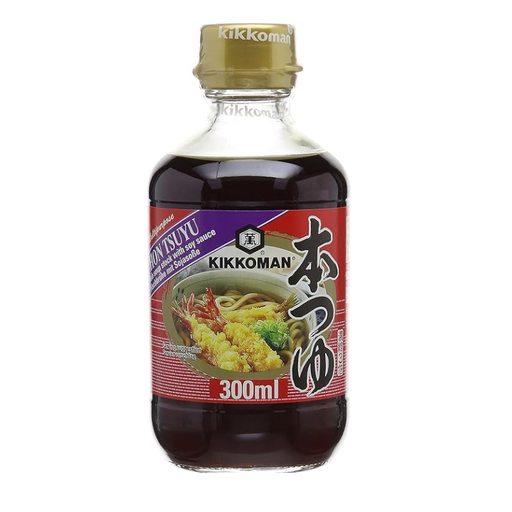
Why This Fits Their Persona: Suitable for shoppers seeking a Japanese seasoning with several defined roles, including noodle broth, soup, hot pot and dipping sauce.
The listing states that it should be diluted with two to four parts water. This makes the preparation requirement clear rather than leaving the buyer to guess.
Contains fish extract, soy sauce and kelp extract; product of Japan; usable hot or cold after dilution.
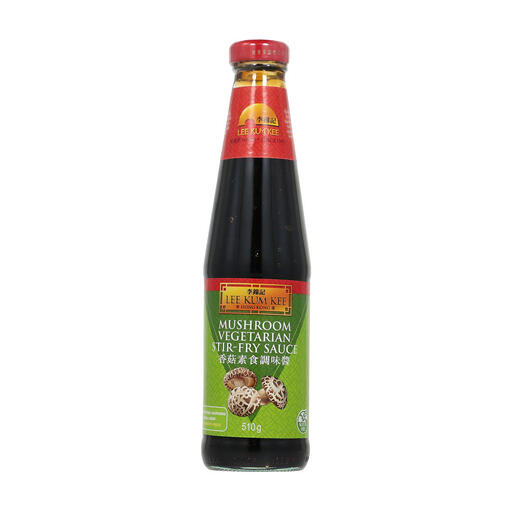
Why This Fits Their Persona: A practical vegetarian stir-fry sauce for vegetables, tofu and noodles when seafood-based seasonings are unsuitable.
The listed ingredients use shiitake mushroom extract rather than oyster or fish ingredients. The label still lists soybeans and wheat, so it is not suitable for those allergies.
510g bottle; suitable for stir-frying, braising, dipping and seasoning; no animal ingredients listed.
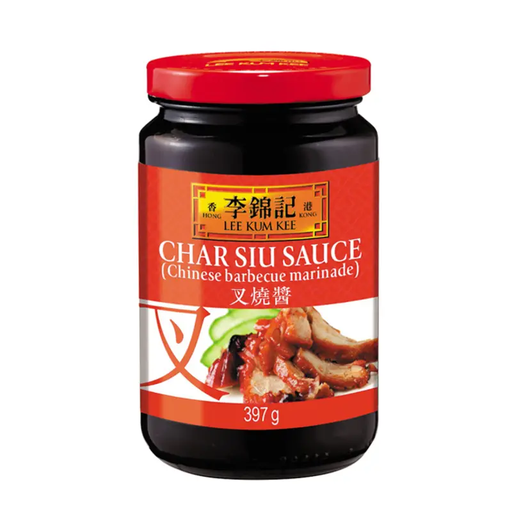
Why This Fits Their Persona: Designed for regular barbecue fans who want one product for marinating, roasting, air-frying, grilling or glazing.
Its usage guidance gives a specific starting point: 70–100g for 500g of pork, with remaining sauce used for basting. This helps reduce guesswork and waste.
397g jar; suitable for marinating and glazing; made in China; contains wheat and soybeans.
We have compiled a complete, real-time list of products that fully satisfy these strict selection criteria and UK safety regulations.
A light soy sauce, sweet chilli sauce and one versatile stir-fry sauce provide a practical starting point. If you cook noodles often, consider a Japanese noodle dipping sauce or soup concentrate. Choose smaller bottles until you know which flavours suit your household.
There is no single lifespan. Some products advise refrigeration and use within a month, while others may remain suitable for longer when tightly sealed. Follow the storage and use-by guidance on the packaging, and discard any product showing mould, an unusual odour or significant colour change.
Some are, but you must check the ingredients and allergen statement. Fish sauce, shrimp paste, oyster-style ingredients and chicken flavouring are not suitable for a vegan diet. Mushroom-based sauces may be suitable, but soy and wheat remain common allergens.