
24/7 Customer Support

Free returns

Same-day & Next-day Delivery

Quality Guaranteed

Unlock Your Welcome Offers: FREE Delivery | Up to 80% OFF | Free 30-day JoyPlus trial
Download the APP
Navigating the Asian sauces aisle can feel overwhelming. With countless bottles promising authentic flavour, it's easy to end up with a pantry full of condiments that don't quite deliver. Many home cooks in the UK find themselves stuck with generic sauces that lack depth, or they mistakenly use the wrong type of soy sauce, leading to dishes that are either too salty or lack the rich colour seen in restaurant meals.
Before you make another purchase, it's worth understanding a few common pitfalls. Many shoppers waste money on "all-in-one" stir-fry sauces that offer a flat, overly sweet taste, or they aren't aware of the crucial differences between sauces that look similar but serve entirely different purposes. This guide will help you understand the essentials, so you can stock your kitchen with confidence and create dishes with genuine flavour.
To avoid disappointment, focus on a few core characteristics. Understanding these will transform your cooking, allowing you to layer flavours with precision rather than relying on a single, one-note sauce.
Not all soy sauces are created equal. Using the wrong one is a common mistake that can easily be avoided by reading the label.
Once you have your soy sauces sorted, you can explore sauces designed for specific dishes and flavours.
We've matched some popular choices to different cooking styles and needs, helping you select the right bottle for your kitchen.
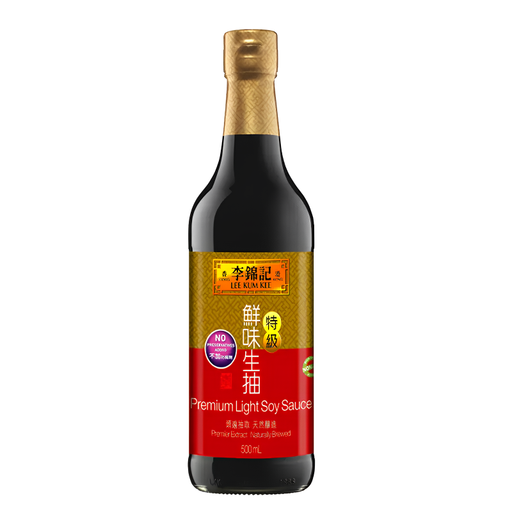
Why This Fits Their Persona: This is the foundational sauce for anyone regularly cooking Chinese or other Asian cuisines at home. It's the versatile workhorse for seasoning, marinating and dipping, making it an essential first purchase.
It avoids the "generic stir-fry sauce" trap by providing a pure, foundational flavour. This gives you control to build authentic taste profiles, rather than relying on a pre-mixed, one-dimensional sauce.
Fermented from non-GMO soybeans, it delivers a rich soy aroma and pronounced umami flavour, serving as a high-quality base for countless recipes.
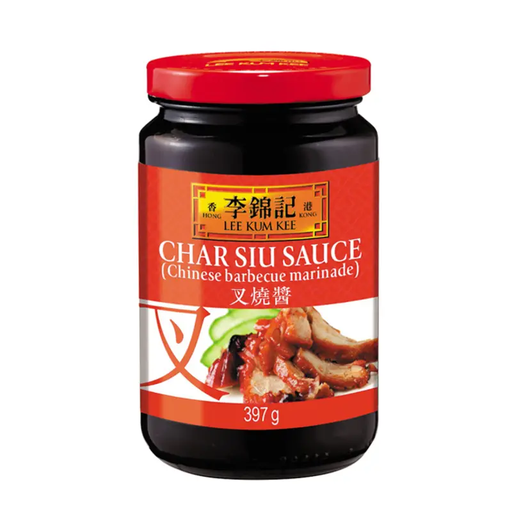
Why This Fits Their Persona: For the home cook who wants to perfectly replicate Cantonese-style barbecue pork without the guesswork. This sauce is designed for one iconic job and does it exceptionally well.
Instead of trying to create a complex char siu marinade from scratch, which can be difficult to balance, this ready-to-use sauce ensures consistent, authentic results every time.
This is a convenient, all-in-one marinade and glaze that provides the classic sweet, savoury and slightly smoky flavour profile needed for authentic char siu.
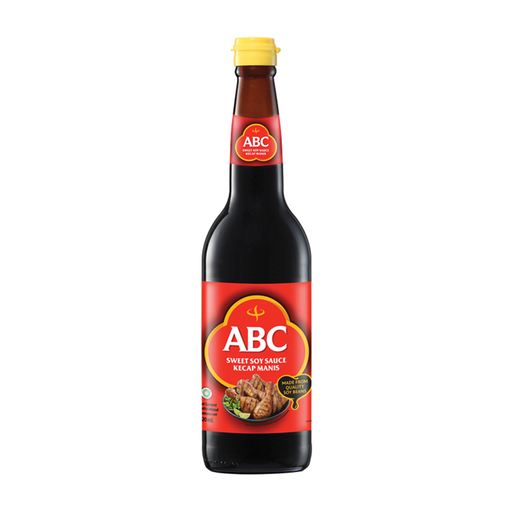
Why This Fits Their Persona: Perfect for anyone who loves Indonesian food or wants to add a rich, sweet and syrupy glaze to grilled meats, tofu or vegetables. It's the key to authentic Nasi Goreng.
This is authentic kecap manis, not just a sweetened soy sauce. It avoids the pitfall of using the wrong type of sauce and failing to achieve the signature thick consistency and deep flavour of Indonesian dishes.
Naturally sweetened with palm sugar, it provides a unique, aromatic and molasses-like flavour that is impossible to replicate by simply adding sugar to regular soy sauce.

Why This Fits Their Persona: An essential for anyone with a gluten intolerance or coeliac disease who doesn't want to compromise on the authentic taste of Asian cooking. It functions as a direct replacement for standard light soy sauce.
It directly solves the problem of hidden wheat in traditional soy sauce, a major pitfall for those on a strict gluten-free diet. You can use it with confidence without needing to scrutinise the ingredients for gluten.
This sauce is specially brewed to be gluten-free while maintaining a rich umami flavour, ensuring that dietary needs don't mean sacrificing taste.
We have compiled a complete, real-time list of products that fully satisfy these strict selection criteria and UK safety regulations.
While both are fundamental seasonings, there are general differences. Chinese soy sauces are often brewed with a higher proportion of soybeans, resulting in a saltier, more direct flavour. Japanese soy sauce, or shoyu, typically includes roasted wheat in its fermentation, which lends it a slightly sweeter, more aromatic and rounded profile. Brands like Kikkoman are well-known examples of the Japanese style.
Thanks to their high salt content, most soy-based sauces have a very long shelf life. Once a bottle is opened, it is advisable to store it in the refrigerator. This helps to preserve its optimal flavour and quality for several months. Always check the packaging for specific storage instructions, as sauces with higher sugar content or fresh ingredients may have a shorter lifespan.
You can, but your dish will turn out differently. If a recipe specifies dark soy sauce, it is usually for the deep, appetising colour and rich, subtly sweet flavour it provides. Using only light soy sauce in its place will result in a much paler dish that is primarily salty, missing the visual appeal and depth that dark soy sauce provides. For best results, it's worth having both in your pantry.