
24/7 Customer Support

Free returns

Same-day & Next-day Delivery

Quality Guaranteed

Unlock Your Welcome Offers: FREE Delivery | Up to 80% OFF | Free 30-day JoyPlus trial
Download the APP
From the sweet, rich flavour of Cantonese lap cheong in a claypot rice to the juicy snap of a Japanese Arabiki sausage in a bento box, the world of Asian sausages offers a fantastic range of tastes and textures. However, as more options become available in the UK, it's easy to make a disappointing purchase. Many shoppers find themselves with a product that doesn't match their recipe's needs or expectations.
As a Joybuy Product Recommendation Officer, my role is to help you navigate the market. This guide cuts through the clutter, focusing on the practical details that ensure you choose the right sausage for your kitchen, whether you're recreating a taste of home or exploring new flavours.
Before you buy sausages online, be aware of a few common traps that can lead to a flavourless meal or wasted money.
lap cheong requires steaming or boiling to soften before being sliced and pan-fried. In contrast, a fresh Taiwanese sausage is best grilled or pan-fried slowly. Using the wrong method can ruin an otherwise excellent product.To make a confident choice, focus on these three key factors. They will tell you almost everything you need to know about the sausage's flavour, texture and how to prepare it.
The term Asian sausages covers a vast and diverse category. Understanding the main types is the first step to getting what you want.
sausages for hot pot or noodle soups.For a satisfying texture, always check the meat content on the ingredients list. A higher percentage (typically 70% or more) indicates a meatier, more flavourful sausage with fewer fillers. The casing also plays a role in the eating experience. Natural casings (usually from sheep or hog) provide that classic, satisfying "snap" when you bite into them, a characteristic highly prized in many sausage types.
How a sausage is sold tells you a lot about its preparation and shelf life.
frozen sausages UK. This preserves their freshness and flavour perfectly. Many are designed to be cooked directly from frozen, offering great convenience.lap cheong are air-dried and can be stored in a cool, dry pantry for months. Once opened, they should be refrigerated to maintain their quality.Based on these practical criteria, here are a few recommendations matched to different needs and culinary uses.
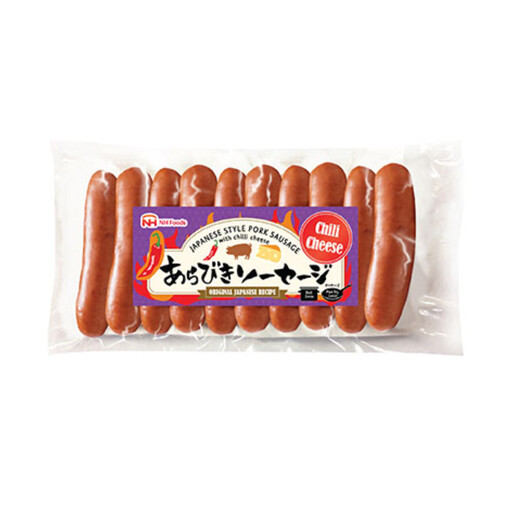
Why This Fits Their Persona: This is ideal for someone who loves adding interesting elements to their meals. The convenient frozen format and quick cooking time make it perfect for weekday bento boxes or for slicing into a simmering hot pot, where the chilli and cheese will infuse the broth with extra flavour.
It clearly states its style (Japanese Arabiki) and flavour (Chilli Cheese), avoiding the "authentic ambiguity" trap. You know exactly what you're getting: a modern, flavourful sausage, not a generic one.
A unique cheese filled sausage with a spicy kick. The coarse-ground texture provides a satisfying bite, and it can be cooked from frozen in about 10 minutes.
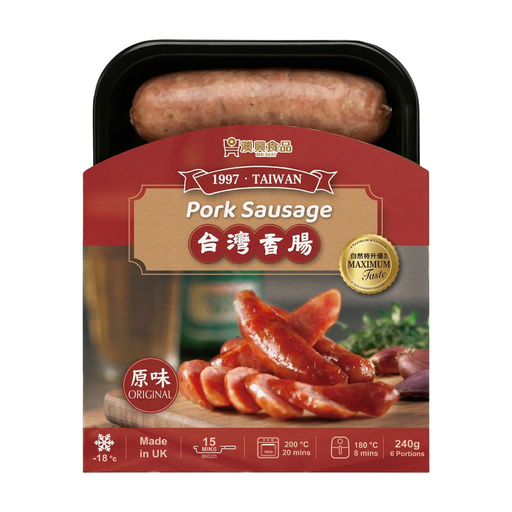
Why This Fits Their Persona: For anyone wanting to replicate the classic sweet, savoury and slightly garlicky taste of sausages from a Taiwanese night market, this is an excellent choice. It's specifically designed for grilling or pan-frying to achieve that perfect caramelised skin.
With a high pork content of 88%, this product directly counters the "filler fallacy." It delivers the authentic, meaty texture and rich flavour expected from a high-quality Taiwanese sausage.
Delivers an authentic flavour profile with a very high meat content. The inclusion of rice wine and specific spices provides a taste that is true to its regional origin.
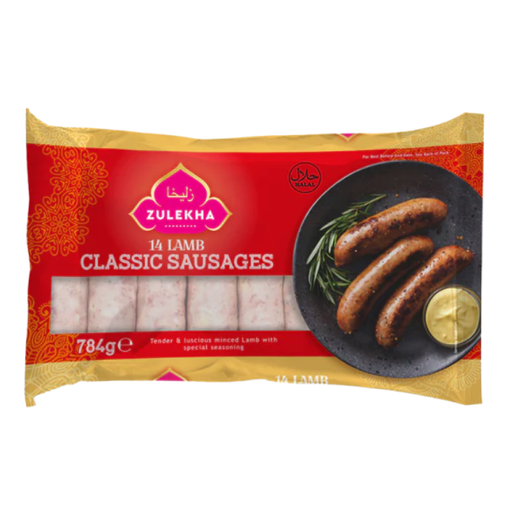
Why This Fits Their Persona: This provides a reliable and flavourful option for households requiring Halal-certified meat. The lamb and mint flavour offers a delicious alternative to pork, perfect for family barbecues, hearty breakfasts or a twist on bangers and mash.
It removes all guesswork for those with dietary requirements. The product is clearly labelled as a halal sausage and specifies the meat type (lamb), ensuring a safe and suitable choice for the whole family.
A robust lamb and mint flavour in a certified Halal product. The large pack size offers good value, and they can be cooked conveniently from frozen.
We have compiled a complete, real-time list of products that fully satisfy these strict selection criteria and UK safety regulations.
1. What is the main difference between Chinese lap cheong and Taiwanese sausage? The primary differences are in texture and flavour. Lap cheong is a hard, dense, cured sausage with a complex sweet and savoury taste, which must be steamed or boiled before use in dishes. Taiwanese sausage is a fresh, plump and juicy sausage that is much sweeter and typically grilled or pan-fried to be eaten on its own.
2. Can I cook Asian sausages from frozen? This depends entirely on the type. Many Japanese sausage varieties and some Taiwanese ones are specifically designed to be cooked from frozen for convenience; the packaging will provide instructions. However, cured sausages like lap cheong are not sold frozen and have their own preparation method. Always refer to the cooking guidelines on the package.
3. Are there good halal options for Asian-style sausages? Absolutely. While pork is a common ingredient in many traditional East Asian sausages, there is a growing market for halal sausages. Brands such as Zulekha specialise in certified halal sausages made from chicken, beef or lamb, seasoned to provide a rich, savoury flavour that works well in a wide variety of meals.