
24/7 Customer Support

Free returns

Same-day & Next-day Delivery

Quality Guaranteed

Unlock Your Welcome Offers: FREE Delivery | Up to 80% OFF | Free 30-day JoyPlus trial
Download the APP
Asian sausages can add a savoury, sweet, smoky or spicy note to rice dishes, bento boxes and quick weekday meals. However, product descriptions do not always make the practical differences clear. A pack may look convenient but require cooking, occupy valuable freezer space or contain allergens that are easy to miss.
Before you buy Asian sausages in the UK, focus on three common purchasing traps:
First, identify whether the sausages are ready to eat, cooked and smoked, or raw and frozen.
For example, NH Foods Japanese Style Pork Sausages Cooked Smoked 200 g is described as ready to eat and can be sliced into fried rice, pasta or salads. By contrast, Japanese-style pork sausages with cheese require cooking and should be piping hot throughout before serving.
For raw meat products, follow the packet instructions rather than relying on colour alone. Several frozen products specify a core temperature of at least 75°C, while some listings provide a lower stated threshold. Use the manufacturer’s instructions for the particular item and avoid eating products marked “cooking required” without preparation.
Ingredients vary considerably between Chinese-style pork sausages, Japanese-style pork sausages and Taiwanese varieties.
Check the label for:
For a meat-free choice, Qi Shan Da Shan Chinese Sausage 160 g uses soya protein and konjac. It is listed as 100% plant-based, but it still contains soya and wheat, so it is not suitable for people avoiding those allergens. A vegan Chinese sausage can therefore be plant-based without being free from every common allergen.
Choose the quantity around how you actually cook. A 185 g pack may suit a student, couple or occasional snack, while a 1 kg pack can be more practical for families, parties or regular meal preparation.
Frozen Asian sausages should remain frozen until needed. Once defrosted, storage instructions differ: some products advise refrigeration and consumption within 24–48 hours, while cooked chilled products may need to be eaten within two or three days after opening. Do not refreeze a product if its instructions prohibit it.
Also consider the dish. Chinese sausages are commonly sliced into fried rice or steamed over rice. Japanese sausages work well in breakfast plates, ramen, curries and bento boxes. Taiwanese pork sausages can be grilled, pan-fried or served as a snack with pickles and rice.
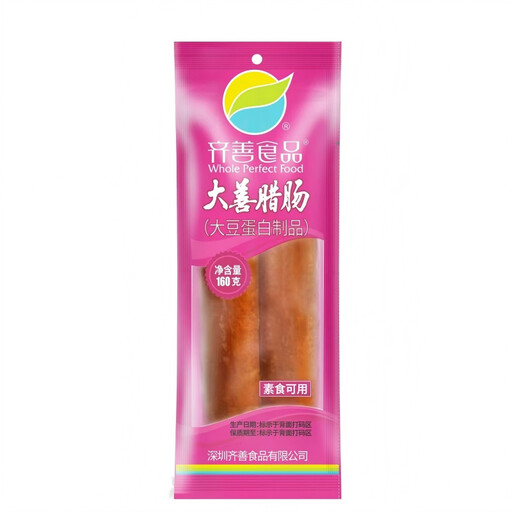
Why This Fits Their Persona: A compact option for shoppers trying plant-based Chinese-style flavours in stir-fries, rice dishes or quick snacks.
The product is clearly described as ready to eat and plant-based, while the soya and wheat allergens are listed for checking before purchase.
160 g pack; soya protein and konjac formula; suitable for fried rice, stir-fries and hot pot.
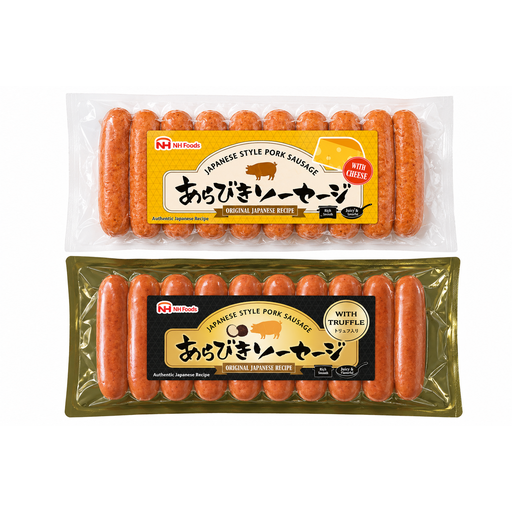
Why This Fits Their Persona: A varied selection for cooks who want truffle-style and cheese-filled sausages for bento boxes, grilling or special meals.
The bundle distinguishes between products that need cooking, helping shoppers avoid assuming that frozen or smoked sausages are ready to eat.
Includes truffle-style and cheese-filled options; suitable for grilling, pan-frying or oven cooking.
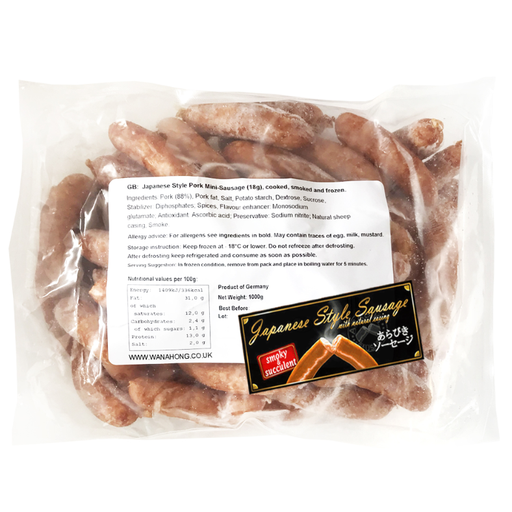
Why This Fits Their Persona: A bulk format for families, caterers and regular home cooks preparing breakfasts, bento boxes, hot pots or party platters.
The 1 kg quantity makes the serving size clear, while separate chilled and frozen storage guidance supports planned use.
Approximately 50 pieces; coarse-ground texture; compatible with pan-grilling, boiling, air frying and hot pot dishes.
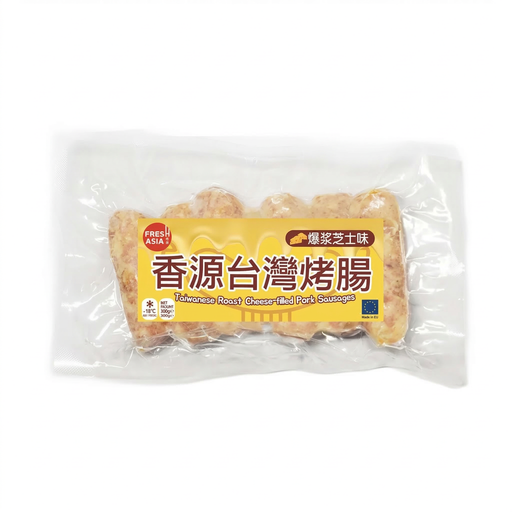
Why This Fits Their Persona: A convenient frozen option for lunch boxes, after-school snacks and quick air-fryer meals.
It is labelled as ready to cook rather than ready to eat, with clear pan-frying and air-frying guidance.
300 g pack; 15% cheese listed; suitable for pan-frying or air-frying. Contains milk.
We have compiled a complete, real-time list of products that fully satisfy these strict selection criteria and UK safety regulations.
Some are, but not all. Products labelled cooked and smoked may be ready to eat, while frozen Japanese, Taiwanese and Chinese-style pork sausages often require cooking. Always follow the preparation instructions on the individual pack.
Keep them at -18°C or below until required. Defrost in the refrigerator when instructed, use within the stated period and do not refreeze if the packaging advises against it.
Chinese sausages and cooked smoked Japanese sausages are practical choices because they can be sliced into small pieces and combined with rice, vegetables and egg. For raw frozen varieties, cook them thoroughly first, then add them to the finished dish.