
24/7 Customer Support

Free returns

Same-day & Next-day Delivery

Quality Guaranteed

Unlock Your Welcome Offers: FREE Delivery | Up to 80% OFF | Free 30-day JoyPlus trial
Download the APP
Cooking Chinese, Sichuan, Thai or Filipino dishes at home can be straightforward when the seasoning is well matched to the recipe. The difficulty is knowing what is actually in the packet, how many portions it makes and whether it suits your cooking habits.
Asian seasoning mixes range from dry spice blends and noodle sachets to concentrated sauces and multi-part cooking kits. Before buying, look beyond words such as “authentic” or “restaurant-style”. The packet’s ingredients, preparation method and serving guidance usually tell you far more.
Some products include sauce, marinade and dried chilli packets, while others only provide a flavour base. A Chinese seasoning mix may still require fresh meat, vegetables, oil, noodles or rice. Check the preparation instructions before assuming one packet creates a complete meal.
For example, a Kung Pao kit requires chicken leg meat and basic ingredients such as ginger, garlic, spring onion and peanuts. A Pad Thai sauce mix requires noodles, egg, oil and optional protein and vegetables.
A small packet can be highly concentrated, while a larger pouch may be intended for several meals. Lobo Oriental Fried Rice Seasoning Mix is a 25g packet intended for approximately 500g of cooked, cooled rice. By contrast, a 220g hot pot seasoning mix is designed to flavour a larger shared stir-fry or hot pot-style meal.
Compare the stated serving size, not just the pack weight. This gives a more realistic idea of value and helps prevent over-seasoning.
There is no universal heat scale across Asian seasoning mixes. Sichuan seasoning often combines chilli heat with the tingling sensation of Sichuan peppercorn, while Thai and Filipino blends may rely more on sour, savoury, garlicky or sweet notes.
If you are new to spicy food, choose a product where the chilli or dried pepper is supplied separately. This allows you to adjust the heat rather than adding the full amount at once.
Read the bold allergen declaration carefully. Common allergens in this category include soybeans, wheat or gluten, sesame, peanuts, fish, mustard and eggs.
Hui Ji You Ni Yi Mian Dan Dan Noodle Stir-Fry Mix contains wheat, soybeans, sesame and peanuts. Lobo Pad Thai Stir Fry Sauce Mix contains peanut and fish, with possible traces of crustaceans and molluscs due to the production environment. This information matters when cooking for family members or guests.
Also consider the wider ingredient list. A sauce may contain sugar, oil, flavour enhancers or fermented ingredients, while a Chinese braising spice packet may consist mainly of whole spices such as star anise, cinnamon, fennel and Sichuan pepper.
Look for clear cooking instructions and the fresh ingredients you will need. A multi-sachet kit can separate marinade, sauce and chilli, making the cooking sequence easier to follow. A dry powder may be more flexible for fried rice, noodles or fillings.
Cooking safety remains essential. Seasoning mixes are not ready-to-eat products unless the packaging specifically states otherwise. Raw meat, fish, seafood and eggs must be cooked thoroughly, and opened wet sauces or pastes should be stored according to the label.
Dry Chinese braising spices and unopened powder sachets are generally convenient cupboard ingredients when stored in a cool, dry place. Wet sauces, chilli oils and pickled vegetable packets often need prompt use or refrigeration after opening.
Check the best-before information, storage instructions and whether the packet is intended for one use. A product that matches your cooking frequency is less likely to be wasted.
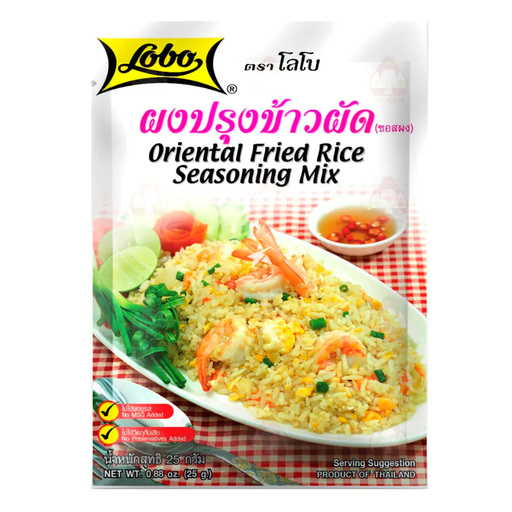
Why This Fits Their Persona: A compact option for beginners who already have cooked rice and want a simple weeknight meal with minimal preparation.
The instructions state the rice quantity clearly: approximately 500g of cooled, cooked rice per 25g packet.
Dry powder format; suitable for adding vegetables or cooked chicken, prawns or other protein.
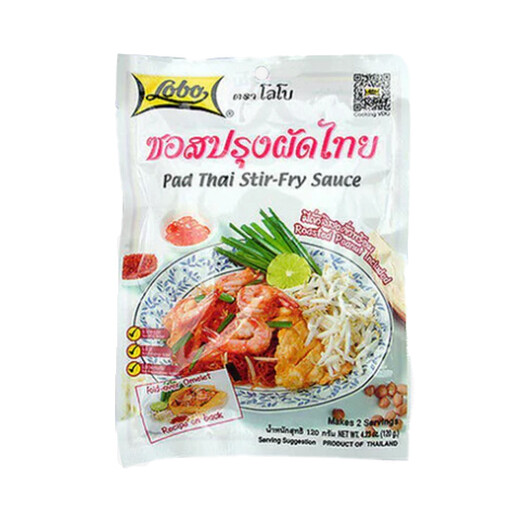
Why This Fits Their Persona: Suitable for shoppers seeking a defined Thai flavour profile and a more complete packet format for two portions.
The packet specifies two portions and lists the required noodles, egg, oil and optional ingredients.
Includes sauce and crushed roasted peanuts; tamarind and fish sauce are listed in the ingredients.
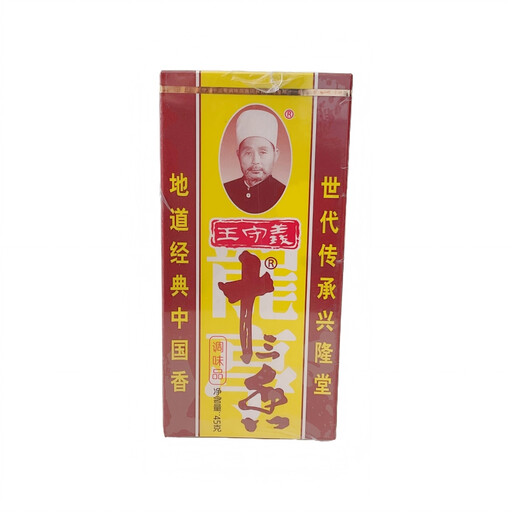
Why This Fits Their Persona: A practical cupboard choice for frequent cooks who prepare meat, vegetables, noodles, fillings or pickles in different ways.
It is a dry multi-pack rather than a single wet sauce, so portions can be used across several recipes.
Contains fennel, ginger, tangerine peel, star anise, cinnamon, Sichuan peppercorns and other spices.
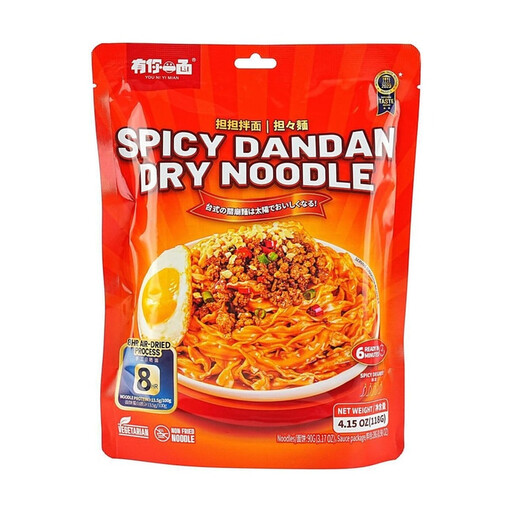
Why This Fits Their Persona: A noodle seasoning mix with noodles and several flavour packets for a quick Sichuan-style meal after work.
The product includes noodles and separate sauce components, reducing the need to source multiple specialist ingredients.
Includes Dan Dan sauce, seasoning powder and crushed peanuts; suitable for adding spring onions, coriander or an egg.
We have compiled a complete, real-time list of products that fully satisfy these strict selection criteria and UK safety regulations.
For more customisation, use a plain spice packet and add fresh ginger, garlic, spring onion, lime, coriander or chilli separately. For convenience, a multi-sachet Chinese seasoning mix can provide a more structured cooking process.
Yes, provided you check what fresh ingredients and cooking equipment are required. Kits with separate marinade, sauce and spice sachets are often easier to follow than a concentrated paste with limited guidance. Always read the packet and cook the dish fully before serving.
Follow the individual label. Dry powders and unopened spice packets are commonly stored in a cool, dry cupboard. Wet sauces, chilli oils and pickled vegetables may need refrigeration after opening and should generally be used promptly.
The answer depends on portion size and how many specialist ingredients you would otherwise buy. A packet can reduce the need for ingredients such as tamarind, Sichuan peppercorn, fermented bean paste or a large selection of Chinese braising spices. Compare the number of stated portions and add the cost of fresh meat, noodles, rice and vegetables before deciding.