
24/7 Customer Support

Free returns

Same-day & Next-day Delivery

Quality Guaranteed

Unlock Your Welcome Offers: FREE Delivery | Up to 80% OFF | Free 30-day JoyPlus trial
Download the APP
Asian seasoning powders can make a busy weeknight meal considerably easier, but a colourful packet does not always tell you how the product will work in a UK kitchen. Some blends are mainly salt, some contain allergens such as wheat, soya or fish, and others are designed for one specific recipe rather than everyday cooking.
Whether you are preparing fried rice in a student flat, making ramen for the family or buying bulk seasoning for a catering kitchen, the following checks can help you avoid poor-value purchases.
A Thai seasoning mix, Filipino adobo mix or tea egg seasoning is formulated for a particular dish. It may not be suitable as a general replacement for salt, stock or five-spice seasoning.
For example, a Filipino adobo mix is intended to be dissolved in water, used as a marinade and simmered with meat. A Chinese seasoning powder for fried rice is designed to be added to cooled, cooked rice during stir-frying. Buying one for the wrong purpose can result in over-seasoned or unbalanced food.
Many Asian cooking ingredients are concentrated. Labels may list salt per 100g, sodium per serving or both, making comparisons less straightforward. Products such as chicken seasoning powder, dashi powder and salt-baked seasoning can contain substantial salt.
Use the stated serving size rather than judging by the packet size. A large catering pack may offer good value per gram but can be impractical for occasional home use and more vulnerable to moisture once opened.
Umami seasoning can contain monosodium glutamate (MSG), yeast extract, bonito, kombu or nucleotide flavour enhancers. These ingredients add savoury depth, but they do not automatically make a blend low in salt.
Check the full ingredient list and nutrition panel. A product with a short ingredient list may be useful if you want to control salt and spices separately, while a pre-mixed blend is more convenient but less adjustable.
Look for clear instructions covering the quantity of meat, rice, water or noodles required. Useful examples include:
A powder requiring cooking should not be eaten directly unless the packaging specifically says it is ready to use. Tapioca starch, for example, needs heating to thicken properly.
UK shoppers should check the current packaging for allergens shown in bold. Relevant products in this category may contain:
A shared-facility warning may also mention traces of fish, shellfish, wheat or sesame. Always use the product label supplied with your order as the final reference.
Small 25g–70g sachets suit recipe trials, students and occasional cooks. Packs from 400g to 1kg are more practical for regular family cooking, restaurants or catering, provided you have an airtight storage container.
Keep powders in a cool, dry cupboard, away from steam and direct sunlight. Reseal opened packaging promptly to reduce clumping and loss of aroma.
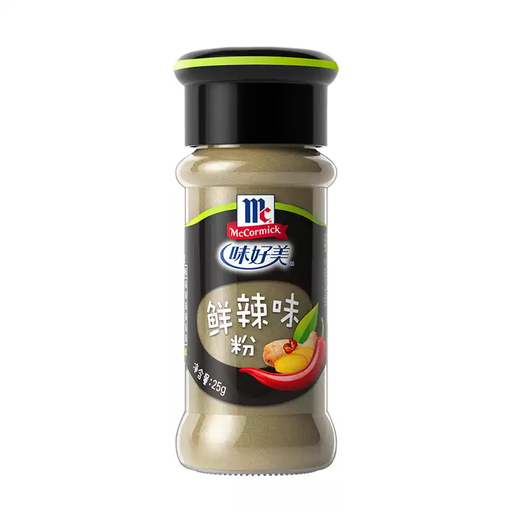
Why This Fits Their Persona: The compact 25g pack is suitable for trying Chinese-style spicy flavours without committing to a large catering-size bag.
The ingredient list identifies chilli, Sichuan pepper, cumin, ginger, MSG and liquorice, so shoppers can check flavour intensity and warnings before use.
Small format; includes several spices in one blend; suitable for Chinese cuisine.
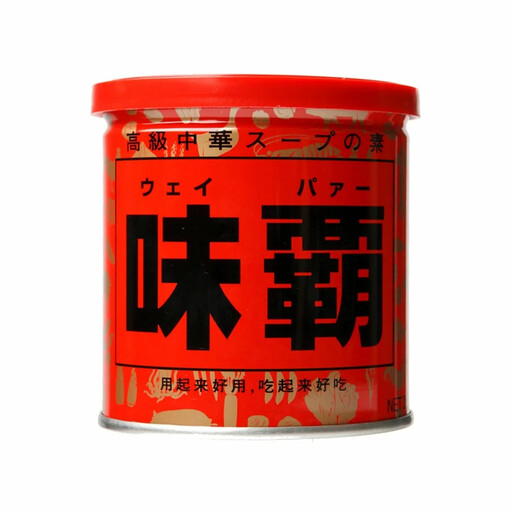
Why This Fits Their Persona: A 500g tub suits cooks who want one Japanese seasoning for soups, stir-fries, marinades, noodles and rice bowls.
The stated serving guidance is 1–2 teaspoons per serving, while the label clearly identifies soy and fish allergens.
Contains MSG, bonito, kombu and yeast extract; suitable for both Japanese dishes and fusion cooking.
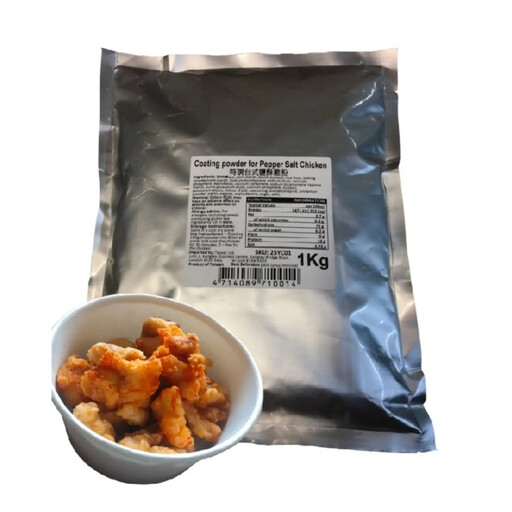
Why This Fits Their Persona: The 1kg format is suited to frequent cooks, food-service users and households preparing crispy chicken or seasoned vegetables regularly.
The product specifies its wheat flour and starch coating base, spice ingredients and wheat allergen, rather than presenting the powder as a universal seasoning.
Pre-mixed flour and starch coating; includes five-spice, cinnamon, garlic and white pepper; also suitable for seafood and vegetables.
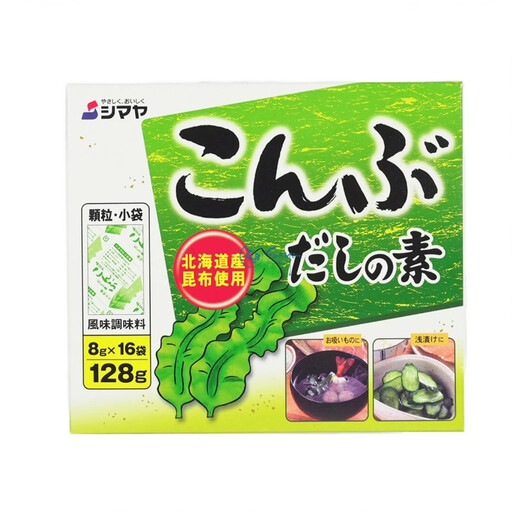
Why This Fits Their Persona: Individual sachets are convenient for portioning stock for miso soup, ramen, sauces and simmered dishes.
The directions specify one sachet for approximately 500ml of hot water and identify fish allergens and possible traces.
16 individual 8g sachets; granulated format dissolves in hot water; includes kombu and bonito ingredients.
We have compiled a complete, real-time list of products that fully satisfy these strict selection criteria and UK safety regulations.
For Thai dishes, Lobo Laab-Namtok seasoning combines roasted rice powder, chilli, mint, lemongrass and lime leaf for a specific meat salad recipe. Lobo Nam seasoning is designed for fermented pork and requires careful preparation, refrigeration and thorough cooking; it should not be treated as a ready-to-eat powder.
For Filipino cooking, Mama Sita’s Adobo Mix combines garlic powder, sugar, salt, MSG and citric acid. It is intended for dissolving, marinating and simmering meat.
For Chinese cooking, Hao Ren Jia Five-Spice Braising Stock comes in three 120g packs and is prepared with water for braising meat or tofu. A tea egg seasoning packet offers a more limited but convenient use case, with spices and black tea for simmering eggs.
If you need a standalone flavour enhancer, Lianhua or Jing Xian Fang monosodium glutamate packs provide a simpler way to adjust umami separately from chilli, pepper and five-spice seasoning. Use small amounts and account for the salt already present in the dish.
Store unopened and opened powders in a cool, dry cupboard away from sunlight, steam and moisture. Reseal the original bag or transfer the contents to an airtight container. Sachets are useful where freshness and portion control matter more than buying in bulk.
No. MSG is one flavour enhancer, while a mixed seasoning may also contain salt, sugar, spices, stock ingredients, starches or dried herbs. Read the ingredients and nutrition panel if you want to control the seasoning balance yourself.
Some are. One-kilogram chicken or crispy-coating powders can suit frequent service, while 25g–70g sachets are more appropriate for menu trials or low-volume use. Before buying in bulk, check yield per pack, storage space, allergen controls and whether the blend suits your recipes.