
24/7 Customer Support

Free returns

Same-day & Next-day Delivery

Quality Guaranteed

Unlock Your Welcome Offers: FREE Delivery | Up to 80% OFF | Free 30-day JoyPlus trial
Download the APP
Exploring the vibrant world of East Asian cuisine from your own kitchen is a rewarding journey. Yet, the supermarket aisle for Asian seasonings and sauces can be a confusing place. With so many bottles promising "authentic flavour," it's easy to end up with a pantry full of products that don't quite deliver. Many home cooks find their homemade stir-fries or noodle dishes lack the depth and character of their favourite restaurant meals.
As a Joybuy Product Recommendation Officer, my role is to help you navigate this landscape. We'll look past the marketing claims and focus on what truly matters. Here are a few common pitfalls UK shoppers face and how to sidestep them.
To build a versatile and authentic East Asian pantry, it helps to understand a few core parameters. Focusing on these details will ensure you get the flavour and quality you're paying for.
Not all vinegars are created equal. The base ingredient and brewing method create vastly different flavour profiles.
Mirin sweet seasoning is a cornerstone of Japanese cooking, responsible for the glossy finish on teriyaki and the subtle sweetness in many broths.
A sprinkle of the right dry seasoning can transform a simple bowl of rice or noodles. Furikake topping is a classic Japanese rice seasoning that adds texture, saltiness and a deep umami flavour. Common ingredients include toasted sesame seeds, nori (seaweed), dried fish flakes (katsuobushi), salt and sugar. It's incredibly versatile and can be used on salads, soups and even popcorn for a savoury twist.
To help you choose with confidence, we've matched some reliable products to different cooking needs and preferences.
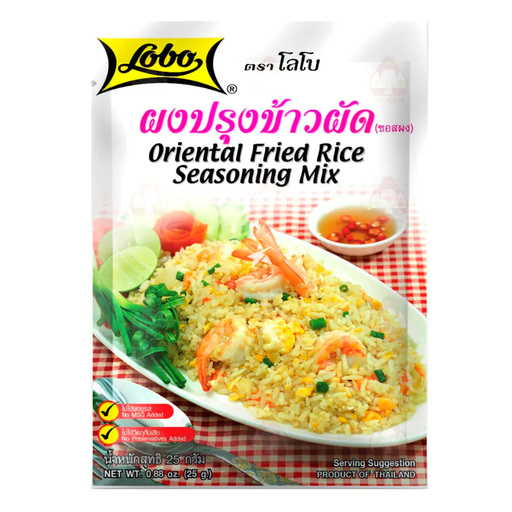
Why This Fits Their Persona: For busy individuals or families, this seasoning mix is a shortcut to a flavourful meal. It takes the guesswork out of making an Oriental fried rice mix, requiring only day-old rice and your choice of protein and vegetables for a quick, satisfying dinner.
This product avoids the "one-size-fits-all" trap by being specifically designed for fried rice. It sets a clear expectation and delivers a targeted, balanced flavour profile for that single dish.
Highly convenient and affordable. The dry powder format ensures a long shelf life, making it a great pantry staple for quick meals.
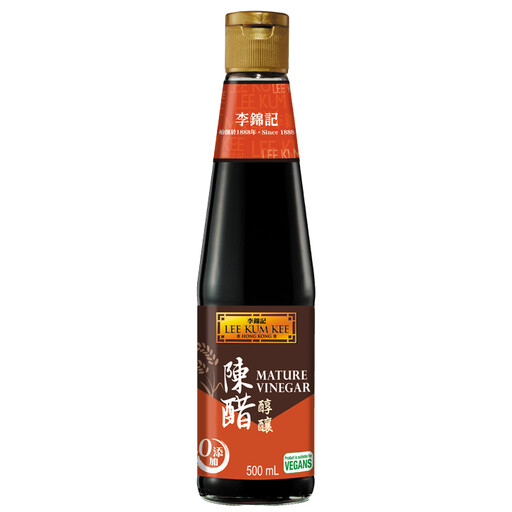
Why This Fits Their Persona: For the home cook dedicated to recreating authentic Chinese flavours, this vinegar is a must-have. It provides the complex, malty acidity needed for classic dishes like sweet and sour ribs or as a dipping sauce for xiao long bao, something a standard malt or wine vinegar cannot replicate.
This product sidesteps the "diluted product" pitfall. It is made from a blend of grains like sorghum and barley using traditional methods, ensuring a rich flavour that isn't just reliant on added sugar or salt.
Offers a rich aroma and mild, complex acidity. It's a versatile Chinese cooking vinegar suitable for cold dishes, dipping sauces and general cooking.
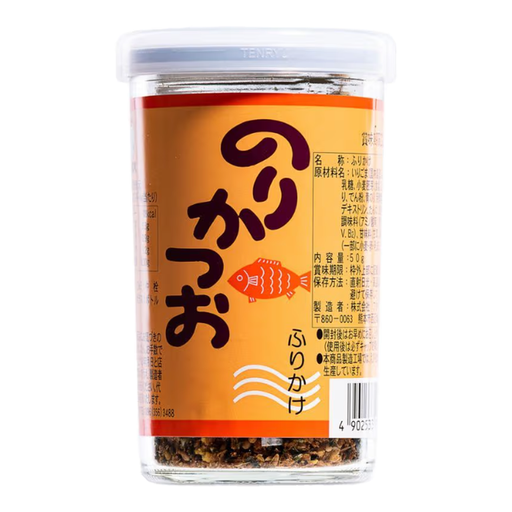
Why This Fits Their Persona: Anyone who loves making onigiri, bento boxes or simply wants to elevate a bowl of steamed rice will appreciate this. This furikake topping provides an instant boost of savoury, smoky flavour and texture that is quintessentially Japanese.
This is a specialised product, not a generic seasoning. It avoids misleading labels by clearly stating its key ingredients, including shaved bonito flakes (katsuobushi), sesame and nori, delivering a specific and authentic taste.
A versatile Japanese rice seasoning that adds deep umami and texture. The resealable packet helps maintain freshness, making it a practical pantry staple.
We have compiled a complete, real-time list of products that fully satisfy these strict selection criteria and UK safety regulations.
Chinese black vinegar is dark, complex and malty, made from grains like sorghum and wheat. It's used for robust flavours in dipping sauces and braises. Rice vinegar is much lighter and milder, made from fermented rice. It's often used in marinades, pickles and as a base for seasoned sushi rice vinegar, where its gentle acidity won't overpower other ingredients.
For liquid seasonings like mirin sweet seasoning and vinegars, it's generally recommended to store them in a cool, dry place away from direct sunlight. Once opened, refrigeration can help preserve their flavour for several months. For dry seasonings like furikake topping, keep the packet tightly sealed and store it in a dry cupboard. Moisture is the main enemy, so avoid refrigeration. It's best consumed within a few months of opening for optimal crispness and flavour.
Yes, for most home cooking applications, a mirin-style seasoning is an excellent and convenient substitute for real mirin (hon-mirin). It will provide the desired sweetness and glossy sheen for dishes like teriyaki. The main difference is that it typically lacks the complex depth and flavour-enhancing properties that come from the alcohol in traditionally fermented mirin.