
24/7 Customer Support

Free returns

Same-day & Next-day Delivery

Quality Guaranteed

Unlock Your Welcome Offers: FREE Delivery | Up to 80% OFF | Free 30-day JoyPlus trial
Download the APP
Asian seaweed can be a crisp snack, a sushi wrapper, a soup ingredient or a savoury rice topping. However, the product format on the front of the packet does not always tell you how it should be used. UK shoppers comparing Korean seaweed snacks, Japanese nori and Chinese kelp products can easily buy the wrong texture, pack size or preparation type.
The following guide explains the practical checks that help prevent wasted purchases, followed by product suggestions matched to different shopping needs.
Roasted seasoned seaweed, laver snacks and many sushi nori sheets can be eaten straight from the packet. By contrast, dried wakame, kelp strips, kelp knots and purple laver may require soaking, rinsing or cooking.
A product marked “not ready to eat” should not be treated like a snack. For example, Jinhailin Kelp Slices require rehydration before use, while Yutaka Dried Wakame is intended to be soaked before adding to soups, salads or noodles.
A 150 g pack of kelp is not directly comparable with a 30 g pack of roasted nori. Dried seaweed expands during soaking, while thin snack sheets are portioned for immediate consumption. Also check whether the product contains individual sachets, a fixed sheet count or loose flakes.
For lunchboxes, individually wrapped Korean seaweed snacks can help preserve crispness. For family cooking, multipacks of kelp strips or larger bags of sushi nori may provide more practical portions.
Seasoned seaweed often contains oil, salt, sugar, sesame, soya or wheat-based soy sauce. The ingredient list matters more than descriptions such as “light” or “natural”. For example, Bestore Spicy Kelp Knots list soya, wheat and sesame, while CJ Bibigo Korean Roasted Seasoned Seaweed Laver contains soya, wheat and sesame.
Check the UK label for allergens in bold or underlined text. Seaweed can also naturally contain iodine, so avoid assuming that a product is suitable for unlimited consumption. Use the nutrition panel and follow the packet guidance, particularly when serving children.
Choose ready-to-eat seaweed if you want a quick snack, lunchbox item or rice topping. Roasted seasoned seaweed and laver snacks usually need no preparation, but they can soften quickly after opening.
Choose dried seaweed ingredients when you are preparing soups, stews, salads or stir-fries. Dried wakame, kelp strips and kelp knots normally need soaking. Salt-preserved products may also require rinsing to reduce surface salt.
For sushi, look for a clear sheet count and suitable dimensions. Nori for Rice Balls contains 20 sheets with a net weight of 28 g, while NAGAI HON ASAKUSA NORI provides 10 sheets weighing 30 g.
Moisture is the main cause of soft, chewy snack nori. Keep opened sheets tightly sealed in a cool, dry place and consume them promptly. Some seasoned products are sold in small individual packets, which reduces repeated exposure to air.
For rehydrated kelp or wakame, follow the packet instructions rather than storing soaked seaweed for extended periods. Preserved seaweed products may require refrigeration after opening and quick consumption.
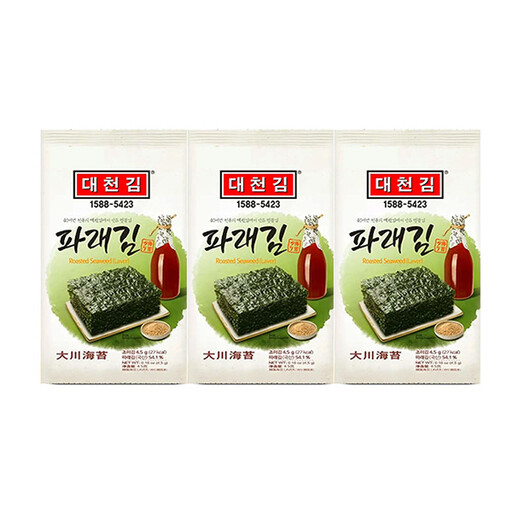
Why This Fits Their Persona: Three individual servings provide a straightforward introduction to Korean roasted seasoned seaweed for snacks, packed lunches or rice.
The product clearly lists green seaweed, canola oil, sesame oil and salt, while the three-pack format makes the quantity easy to understand.
Ready to eat; individual servings; suitable for rice or noodles as well as snacking.
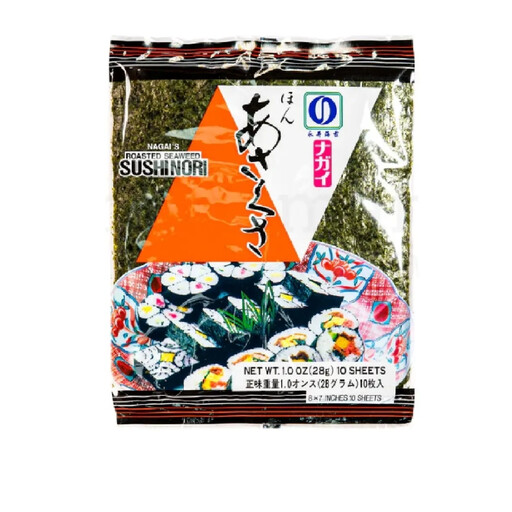
Why This Fits Their Persona: A defined 10-sheet format suits shoppers who want Japanese nori for neatly prepared sushi rolls or onigiri.
The sheet count and net weight are stated, and the product instructions confirm that no cooking is required.
Roasted and seasoned; can be used whole, cut into strips or crumbled as a topping.
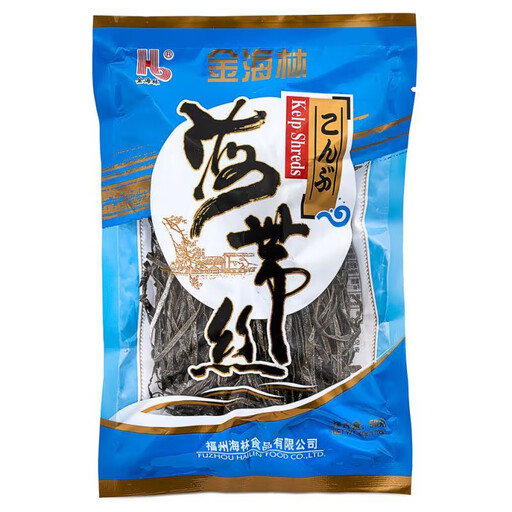
Why This Fits Their Persona: Regular cooks can soak these strips for soups, stews, stir-fries and other seaweed cooking ingredients.
The listing states that it requires soaking and cooking, so it is less likely to be mistaken for ready-to-eat laver snacks.
Loose strip format; 50 g pack; suitable for several cooked dishes.
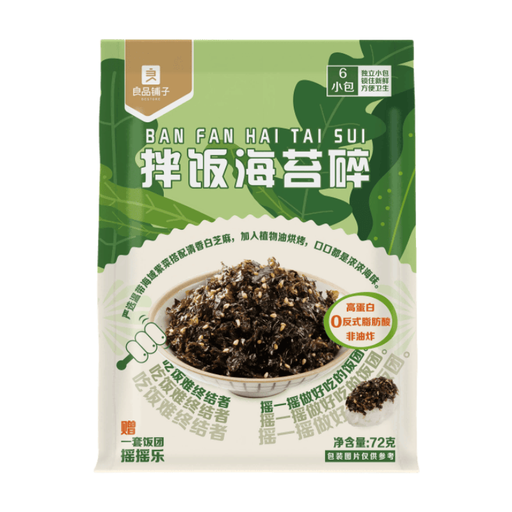
Why This Fits Their Persona: Rice seaweed flakes provide a quick topping for warm rice, noodles and packed meals without shaping or rolling sheets.
The ingredients identify dried seaweed and sesame, while the 72 g pack makes it distinct from single-serving snack sheets.
Ready to eat; includes sesame; designed for rice, noodles or direct consumption.
We have compiled a complete, real-time list of products that fully satisfy these strict selection criteria and UK safety regulations.
Some products are, and some are not. Roasted seasoned seaweed, laver snacks, many sushi nori sheets and preserved seaweed side dishes may be ready to eat. Dried wakame, kelp strips, kelp knots and unroasted purple laver usually require soaking, rinsing or cooking. Always follow the instructions on the UK product label.
Store unopened nori in a cool, dry cupboard. After opening, reseal the inner packaging or transfer the sheets to an airtight container. Avoid steam from kettles, rice cookers and hobs. Individual sachets are practical if you use seaweed occasionally.
Check whether the pack contains whole sheets, pre-cut portions or triangular rice ball nori. Confirm the sheet count, weight, seasoning and storage instructions. For a simple ingredient, 100% dried nori offers flexibility; seasoned sheets add immediate flavour but may contain soya, sesame, sugar or additional salt.