
24/7 Customer Support

Free returns

Same-day & Next-day Delivery

Quality Guaranteed

Unlock Your Welcome Offers: FREE Delivery | Up to 80% OFF | Free 30-day JoyPlus trial
Download the APP
If you've ever found yourself browsing for Asian seaweed snacks online, you'll know the sheer variety can be overwhelming. From paper-thin crisps to chewy, marinated knots, the world of seaweed snacks is far more diverse than many UK shoppers realise. This can lead to a few common buying pitfalls, leaving you with a snack that doesn't quite match your craving.
As a Product Recommendation Officer at Joybuy, my role is to help you navigate the options and understand what you're buying. Many shoppers get caught out by two main issues: unexpected textures and surprising flavour profiles. You might buy a packet expecting a light, crispy snack and instead find a moist, chewy kelp side dish. Or a "spicy" label could mean a mild, sweet heat when you were hoping for the fiery kick of authentic Sichuan pepper. Let's break down what to look for so you can choose with confidence.
Before adding anything to your basket, it's helpful to understand two key factors that determine the final product: the type of seaweed used and its preparation style. Getting these right is the key to avoiding disappointment.
Not all seaweed is the same. The two most common types you'll encounter in snacks offer completely different eating experiences.
The way a seaweed snack is seasoned and presented defines its ideal use. Consider what you're in the mood for.
To help you find a match for your taste, here are a few recommendations from our catalogue, aligned with different preferences and uses.
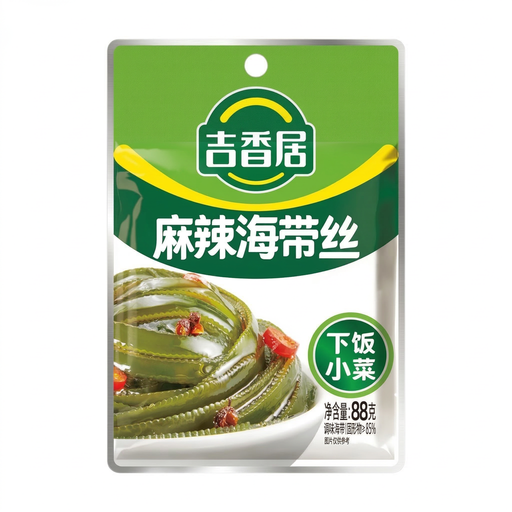
Why This Fits Their Persona: For those in the UK seeking an authentic taste of regional Chinese snacks, this delivers. It features the classic Sichuan 'mala' profile—a combination of fiery chilli and numbing Sichuan pepper—paired with chewy shredded kelp. It's a ready-to-eat snack that doesn't hold back on flavour.
The name "Spicy & Hot" and the inclusion of Sichuan pepper in the ingredients list clearly signal a numbing heat, managing expectations and preventing the "surprise spice" pitfall for those unfamiliar with this flavour profile.
Offers an authentic Sichuan flavour experience. The chewy texture provides a satisfying bite and the convenient packet makes it an easy kelp side dish.
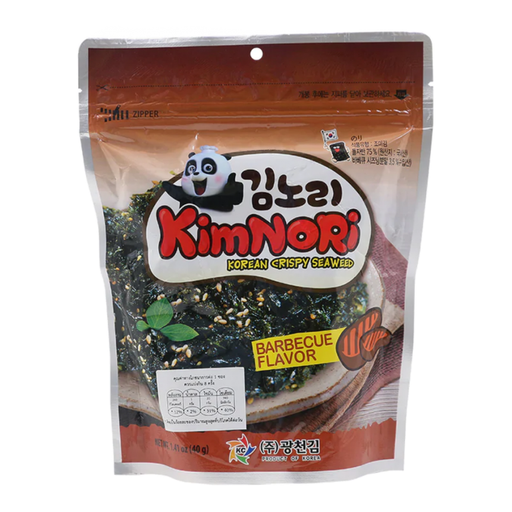
Why This Fits Their Persona: This is for the person who loves adding a final flourish to their meals. These Korean seaweed flakes are a pantry workhorse, perfect for sprinkling over steamed rice, noodle soups or even salads to add a savoury, crunchy, umami-rich element. The BBQ flavour is approachable and family-friendly.
This product's format as "flaked" seaweed clearly sets the expectation for a crispy garnish, not a moist salad. This avoids the texture mismatch pitfall for those specifically looking for seaweed for rice.
Extremely versatile for enhancing a wide range of dishes. The sweet and savoury BBQ flavour has broad appeal.
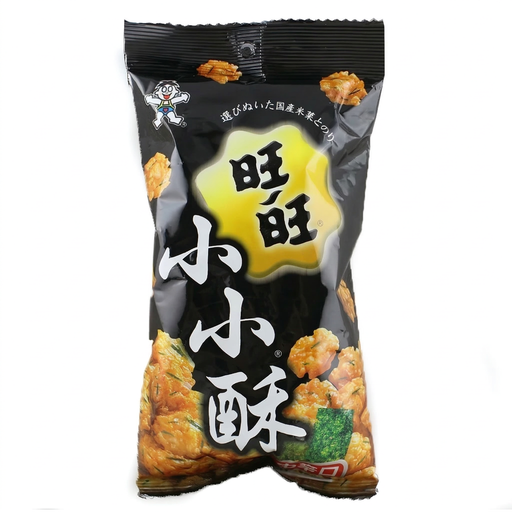
Why This Fits Their Persona: If you're looking for a direct replacement for potato crisps but with an Asian flavour, this is an excellent choice. These are light, crunchy rice crackers seasoned with seaweed, offering a familiar texture with a novel taste. They are perfect for lunchboxes or evening snacking.
By being a rice-based snack, it completely sidesteps the texture pitfall. It delivers the classic, light crunch that UK consumers expect from a "crispy" snack, removing any ambiguity.
Combines a familiar, satisfyingly crunchy texture with a savoury seaweed flavour. Bite-sized format makes it great for sharing or portioned snacking.
We have compiled a complete, real-time list of products that fully satisfy these strict selection criteria and UK safety regulations.
Seaweed itself contains various minerals and is low in calories. However, the final health profile of a snack depends entirely on its preparation. Some seaweed crisps are fried and can be higher in fat, while many marinated Chinese snacks UK can be high in sodium or sugar. The most straightforward approach is to always check the nutritional information on the packet to see if it aligns with your dietary goals.
This depends on the type.
The seaweed used to wrap sushi is called laver (or nori in Japanese). It is a very thin alga that is pressed into sheets and roasted, giving it a distinctive crisp, papery texture. Kelp (or kombu) is a much thicker and more leathery sea vegetable. It is rarely eaten dry and is typically rehydrated or cooked to achieve a tender, chewy texture, making it ideal for salads, soups and braised dishes.