
24/7 Customer Support

Free returns

Same-day & Next-day Delivery

Quality Guaranteed

Unlock Your Welcome Offers: FREE Delivery | Up to 80% OFF | Free 30-day JoyPlus trial
Download the APP
Asian seaweed products can add umami, texture and convenience to soups, noodles, hot pots, salads and rice dishes. However, the packaging can make similar-looking items seem interchangeable when they are not. Dried wakame intended for rehydrating behaves very differently from a seasoned kelp snack, while a large pack may offer poor value if it must be used quickly after opening.
This guide explains the main buying pitfalls, the specifications worth checking and our top recommendations for different cooking habits.
Terms such as dried seaweed, dried kelp, kelp knots and seaweed strips describe formats rather than preparation requirements. Some products must be soaked, rinsed and cooked, while others can be opened and eaten immediately.
For example, dried kelp slices and plain kelp knots are suitable for soups or hot pots but are not ready to eat straight from the packet. By contrast, seasoned kelp knots and spicy seaweed snacks are already cooked and flavoured. Always look for wording such as “ready to eat”, “cooking required” or “soak before use”.
Dried seaweed expands significantly when rehydrated, so a smaller-looking bag may provide several portions. Ready-to-eat products contain water, oil or seasoning and should be compared by serving size and storage instructions rather than weight alone.
Check whether the listed nutrition applies to the dry product, rehydrated product or prepared snack. These figures are not directly interchangeable.
Seaweed naturally contains minerals, but many products are also salted or seasoned. Some dried wakame products in this range list around 20g or more of salt per 100g, while seasoned kelp products can contain soy sauce, sesame, wheat, chilli, sweeteners or preservatives.
Read the full ingredient and allergen declaration, particularly if you avoid soybeans, wheat or sesame. Dried items usually need a cool, dry place and airtight storage after opening. Ready-to-eat packs commonly require refrigeration once opened and prompt consumption.
The cut affects preparation time and texture. Flakes are convenient for a quick soup, while thick slices or knots are more suitable when you want a noticeable, chewy component.
Follow the packet instructions rather than assuming all dried seaweed needs the same treatment. Dried wakame may expand within approximately five minutes, while thicker dried kelp may need longer soaking and cooking.
A practical method is:
Do not treat a product labelled “not ready to eat” as a snack ingredient without preparation.
For occasional cooking, a 40g–60g pack can reduce cupboard clutter. Larger 150g packs may suit regular soup or salad preparation, while multipacks of ready-to-eat seaweed are practical for lunches and side dishes.
Use the ingredient list to distinguish plain edible seaweed from seasoned products. Plain products can be easier to adapt to Chinese, Japanese or Korean recipes because you control the salt and spice. Seasoned options are more convenient but may contain oil, sugar, flavour enhancers or preservatives.
If you are monitoring sodium or iodine intake, check the product label and use portions appropriate to your diet. Nutrition information is product-specific and should not be treated as a health recommendation.
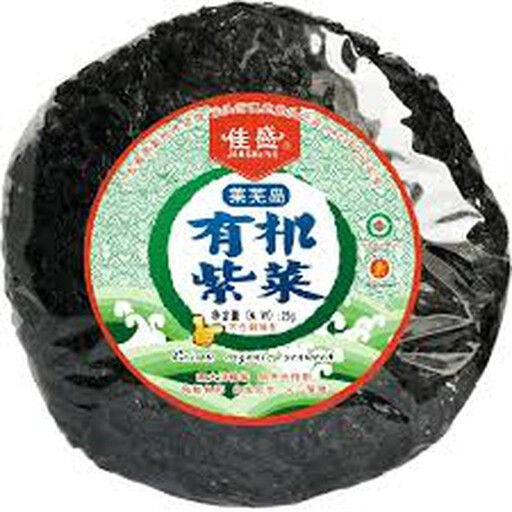
Why This Fits Their Persona: A compact dried laver format for shoppers trying Chinese seaweed or Japanese-style ingredients without committing to a large pack. It can be used in soups, as a garnish or rehydrated for seaweed salads.
The product description clearly identifies dried laver, so it is not presented as a ready-to-eat seasoned snack. Preparation and storage requirements remain straightforward.
60g pack; single dried-laver ingredient; suitable for soups, garnishes and rehydrated salads.
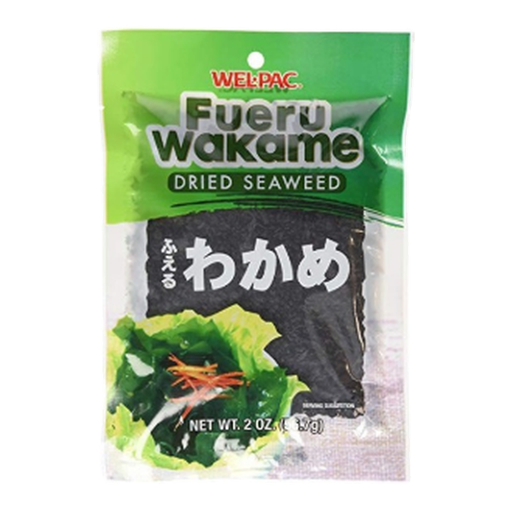
Why This Fits Their Persona: Suits cooks who want dried wakame for Japanese dishes such as miso soup, sunomono, ramen and salads, with a format designed for rehydration.
The listing states that it is dried wakame and explains airtight storage after opening, helping prevent confusion over preparation and freshness.
56.7g dried wakame; suitable for soups, salads, ramen and garnishing; ambient storage before opening.
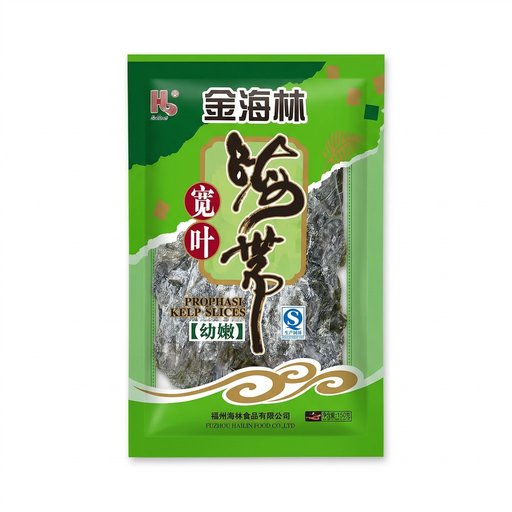
Why This Fits Their Persona: A larger cooking pack for households regularly making soups, stews, salads or stir-fries and wanting broad kelp slices rather than delicate flakes.
The listing states that preparation is required and explains soaking, rinsing for salt-preserved product and cooking, reducing the risk of using it incorrectly.
150g pack; wide, thick leaves; suitable for salads, stews and stir-fries; individually packaged.
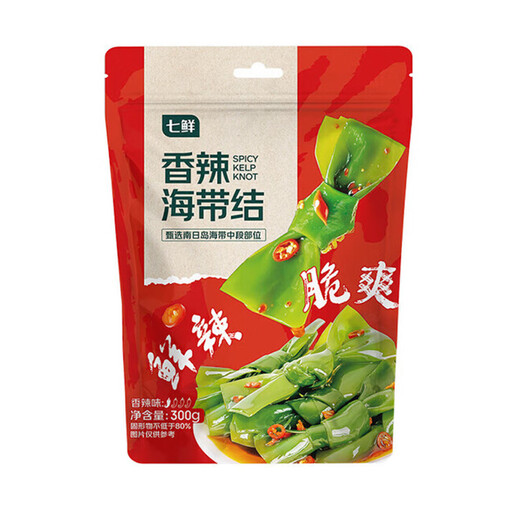
Why This Fits Their Persona: Designed for shoppers wanting ready-to-eat spicy seaweed snacks or a cold side dish without soaking and cooking dried ingredients.
Its ready-to-eat status is clearly stated, while the ingredient list identifies soybeans and several seasonings. The pack also provides a clear warning about swollen or leaking packaging.
300g pack; pre-seasoned spicy flavour; firm, crunchy texture; suitable as a snack or side dish.
We have compiled a complete, real-time list of products that fully satisfy these strict selection criteria and UK safety regulations.
Usually not. Many dried wakame, dried kelp and kelp knot products require soaking, rinsing and sometimes cooking. Only eat a product directly from the packet when the label specifically states that it is ready to eat.
Follow the best-before guidance on the packaging. In general, keep dried seaweed sealed in a cool, dry place away from moisture and sunlight. Ready-to-eat seasoned products often need refrigeration after opening and should be consumed promptly.
Dried wakame flakes are a practical starting point because they rehydrate quickly and work in soups, salads and side dishes. If you want no preparation, choose a clearly labelled ready-to-eat seaweed snack or kelp salad instead.