
24/7 Customer Support

Free returns

Same-day & Next-day Delivery

Quality Guaranteed

Unlock Your Welcome Offers: FREE Delivery | Up to 80% OFF | Free 30-day JoyPlus trial
Download the APP
Asian shrimp products cover far more than a single type of seafood. UK shoppers can choose from frozen shrimp dumplings, prawn wontons, har gow, shrimp siu mai, hotpot shrimp paste, dried shrimp, Thai shrimp paste, crispy prawn chilli and shrimp instant noodles.
The challenge is knowing what you are actually buying. Product photographs may show generous prawns, while the ingredient list reveals a smaller seafood percentage. A large bag may also contain fewer pieces than expected, and frozen goods require careful storage from delivery to cooking. This guide explains the key checks to make before ordering, followed by practical recommendations for different types of shopper.
Dumplings and wontons contain wrappers, starches, vegetables, seasoning and sometimes pork or fish paste as well as shrimp. Compare the quantitative ingredient declaration, usually shown as a percentage.
For example:
A higher percentage does not automatically make one product suitable for every dish, but it gives a clearer indication of what proportion is seafood.
Crustaceans must be declared, but many Asian frozen seafood products also contain wheat, sesame, soya, fish, eggs or milk. Har gow wrappers commonly contain wheat starch or gluten, while prawn dumplings may include sesame oil or soya-based seasoning.
Always read the bold allergen information on the current packaging, particularly when buying for children, guests or anyone with a food allergy. Do not rely solely on a product title or image.
Frozen dumplings, shrimp paste and hotpot ingredients need to remain at -18°C or below. Do not refreeze after thawing. Plan delivery so the food can be transferred promptly to a suitable freezer.
Ready-to-eat items such as prawn snacks and crispy prawn chilli have different storage requirements. Once opened, seal them properly and follow the packaging guidance. A soft texture, damaged packaging, unusual odour or visible mould is a reason not to consume the product.
For dim sum at home, check whether the product is a whole-shrimp style, a minced filling or a paste. Whole shrimp can provide a more distinct bite, while shrimp paste is designed to be shaped, scooped or added to soup and hotpot broth.
Also check whether the filling includes fish paste, pork fat, bamboo shoots or water chestnut. These ingredients affect flavour, texture and suitability for different diets.
A 150g pack of shrimp paste may suit one or two hotpot meals, while a 400g or 500g dumpling bag is more practical for family sharing. Some listings provide a piece count, but this can vary by product. Compare both net weight and approximate servings rather than judging value by bag size alone.
Small packets of prawn snacks, dried shrimp or shrimp instant noodles can be useful for lunches and quick meals, but check salt and fat values if you plan to eat them regularly.
Cooking instructions differ considerably:
Follow the product instructions, and do not eat frozen dumplings or seafood paste without cooking.
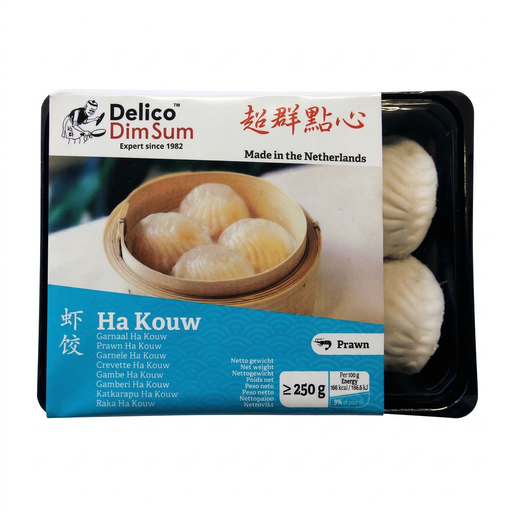
Why This Fits Their Persona: A 400g pack provides a convenient starting point for students, couples or households trying dim sum at home without buying several different products.
The listing identifies the filling and wrapper separately, helping shoppers understand that the product is not made from shrimp alone.
Medium-sized Cantonese-style dumplings; suitable for steaming and serving as part of a mixed meal.

Why This Fits Their Persona: Suits shoppers looking for a larger pack of crystal-wrapper har gow for a weekend brunch or family dim sum spread.
The stated 37.13% shrimp content and 500g net quantity make the seafood proportion and household quantity easier to assess.
Steams from frozen in approximately 8–10 minutes; contains shrimp, bamboo shoot and a translucent wrapper.
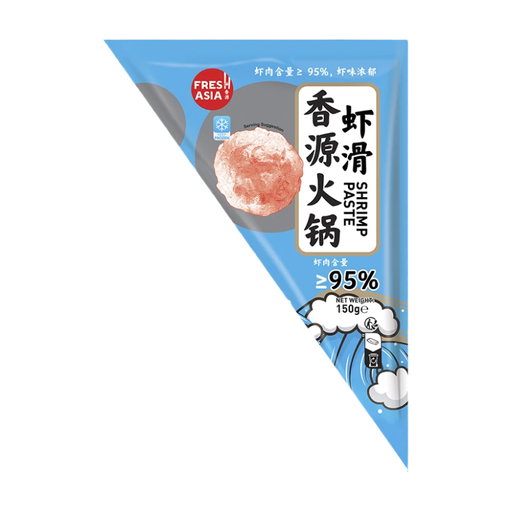
Why This Fits Their Persona: Designed for hotpot hosts and frequent home cooks who want a portionable seafood ingredient for broth, soup or boiling.
Its listed 95% shrimp content clearly distinguishes it from mixed seafood balls or products with a higher starch proportion.
Suitable for hotpot, boiling or soup; the 150g pack can be scooped into simmering broth and cooked until opaque.
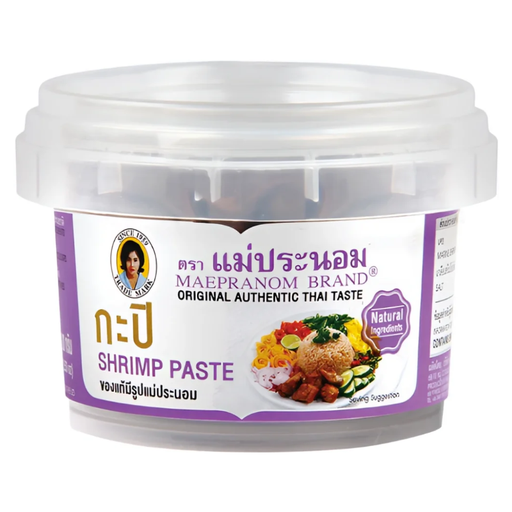
Why This Fits Their Persona: A practical choice for cooks making Thai curry pastes, sauces, stir-fries or som tam and needing a concentrated cupboard ingredient.
The ingredient list states shrimp at 65% with salt, rather than presenting a general seafood flavour without a clear composition.
Shelf-stable before opening; use in small quantities and refrigerate after opening according to the product guidance.
We have compiled a complete, real-time list of products that fully satisfy these strict selection criteria and UK safety regulations.
For a broader meal plan, consider shrimp siu mai for steamed baskets, prawn wontons for soups or Korean whole shrimp mandu for pan-frying and boiling. Dried shrimp can add savoury depth to congee, stir-fries and dumpling fillings; Hua Sheng Boiled & Dried Shrimps contain 96% wild shrimp and should be briefly rinsed before use.
For quick lunches, Hao Hao Hot & Sour Shrimp provides an instant noodle option, while Snekku Mimi Prawn Shrimp Snack and Four Seas Crispy Prawn Cracker are ready-to-eat choices. Crispy prawn chilli can be spooned over noodles, rice or congee, but check its salt and fat content and refrigerate it after opening where instructed.
Often, yes, but follow the specific packaging instructions. FRESHASIA Shrimp Ha Kao states that thawing is unnecessary and gives an 8–10-minute steaming time. Other products may require different timings or methods. Ensure the centre is thoroughly cooked and piping hot before serving.
The exact shelf life depends on the product and its best-before date. Keep items at -18°C or below, avoid refreezing after thawing and use opened or thawed products promptly. Check the packaging rather than assuming every frozen dumpling or shrimp paste has the same storage period.
No. Thai shrimp paste is generally a concentrated, fermented pantry condiment used in sauces, curry pastes and stir-fries. Hotpot shrimp paste is a frozen preparation designed to be cooked in broth or soup. Their texture, salt level and intended use are different, so select according to the recipe.