
24/7 Customer Support

Free returns

Same-day & Next-day Delivery

Quality Guaranteed

Unlock Your Welcome Offers: FREE Delivery | Up to 80% OFF | Free 30-day JoyPlus trial
Download the APP
Choosing Asian snacks online can be a convenient way to discover Korean snacks, Japanese snacks, Chinese snacks and Thai snacks without visiting several specialist shops. However, attractive packaging and unfamiliar flavour names do not always tell you what you are actually buying.
Whether you need lunchbox portions, office snacks, party food or a giftable selection, a few checks can help you avoid unsuitable flavours, stale textures and unexpected allergen risks.
Many savoury snacks, sweets and confectionery products come in compact bags or individual sachets. The front of the packet may look substantial, but the net quantity can be modest. Always compare price per 100g, total pack weight and the number of individual portions.
A multipack may offer better convenience for sharing, while a single 55g or 60g bag can be more practical when you want to sample a new flavour without committing to a larger quantity.
Rice crackers, seaweed snacks and puffed corn products often feel light because of their texture. That does not automatically mean they are low in calories or salt. For example, nutritional values vary significantly between plain rice crackers, cheese-seasoned snacks and spicy noodle products.
Check the per 100g nutrition panel, rather than relying on phrases such as “light”, “crispy” or “guilt-free”. For sweet products, look at sugars; for savoury snacks, compare salt and saturated fat.
Imported products can contain ingredients that are easy to miss if you only read the product title. Common allergens in Asian snacks include wheat, soya, sesame, milk, egg, fish, crustaceans and peanuts. Some products may also be made in facilities handling other allergens.
Read the current ingredients and allergen information before ordering. If a product contains aspartame, it will include a source of phenylalanine. Products containing sugar alcohols such as maltitol may also carry a warning that excessive consumption can produce a laxative effect.
“Asian snacks” covers a wide range of cuisines and textures. Korean snacks often include chilli, kimchi seasoning, seafood or roasted seaweed. Japanese snacks commonly include rice crackers, ramen-style pieces and subtle savoury seasonings. Chinese snacks may range from spicy konjac and bean-based products to biscuits and cookies, while Thai snacks frequently feature sticky rice, chilli and sweet-savoury seasoning.
Look for the country of origin and a clear flavour description. “Spicy” can mean a mild warming note or a pronounced chilli kick, so ingredients such as chilli, kimchi, pepper and numbing spice offer useful clues.
Crisp products are particularly sensitive to moisture. Rice crackers, seaweed snacks, prawn crackers and dried noodle snacks should be stored in a cool, dry place, away from heat, sunlight and humidity. Resealable packaging or individually wrapped portions can help maintain texture after opening.
For gifts or larger household orders, check the best-before information on the packaging. This is especially useful when buying several packs at once.
Individual packs work well for office drawers, school-age children’s lunchboxes and controlled sharing. Larger bags or tins suit gatherings and family snack cupboards. Hard, dry or crunchy products may present a choking risk for young children, so always follow the age and safety guidance on the packaging.
Nutritional information should be treated as a comparison tool, not a health endorsement. Snacks are best enjoyed as part of a varied diet.
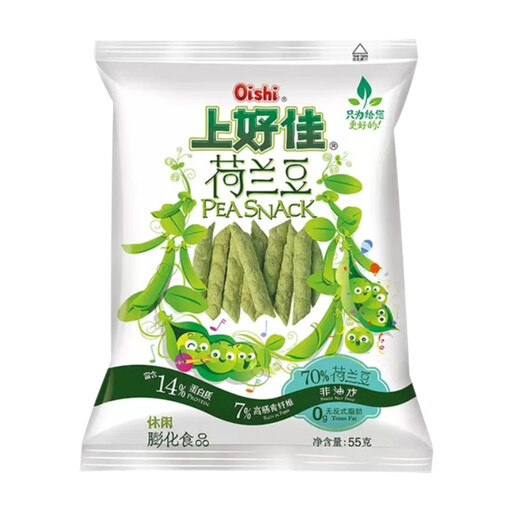
Why This Fits Their Persona: A compact starting point for shoppers trying Asian savoury snacks without buying a multipack. The ready-to-eat 55g bag is suitable for a desk drawer, commute or quick snack break.
The stated 55g net quantity makes the portion clear, while the simple original flavour avoids committing to a strong chilli profile.
Contains 70% Dutch peas; ready to eat; no allergens are listed in the supplied product information.
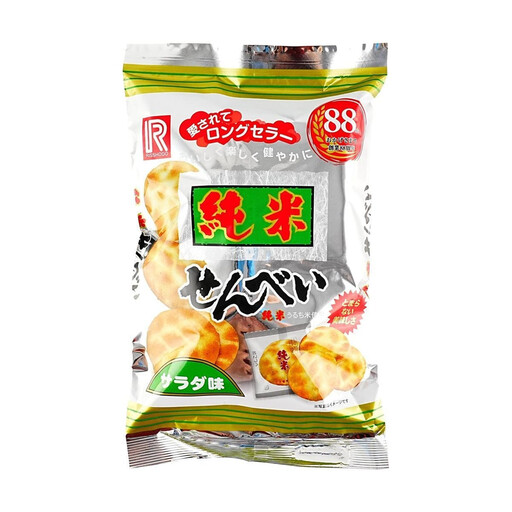
Why This Fits Their Persona: A Japanese snack format with ten individually portioned pieces, making it appropriate for careful sharing, afternoon tea or a neatly presented gift selection.
The 115g total and 10-piece format clarify how much you receive, reducing uncertainty around portion size.
Made with non-glutinous rice; individually portioned; the listed allergen is soybeans.
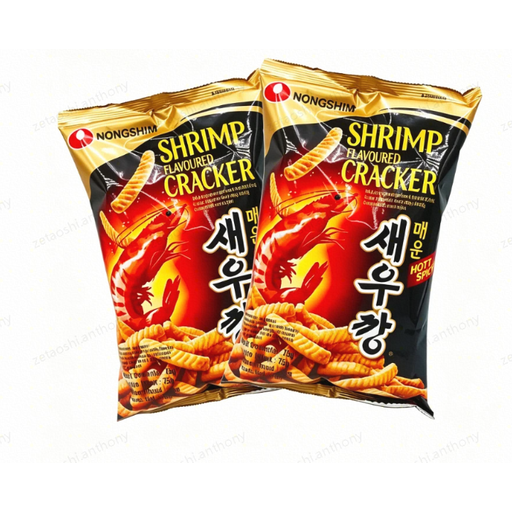
Why This Fits Their Persona: Designed for shoppers seeking a pronounced Korean-style spicy snack for film nights, sharing or pairing with a cool drink.
The product specifies hot, salted and kimchi seasoning, so buyers can anticipate a spicy, tangy profile rather than relying on vague packaging.
Two 75g packs; baked rather than fried according to the supplied description; contains 8.3% shrimp.

Why This Fits Their Persona: Three individual servings make this Korean seaweed snack useful for lunchboxes, rice bowls, desk snacks and simple portion planning.
Individual packs reduce repeated exposure to air and humidity, helping each serving retain its intended crisp texture.
Three 4.5g portions; roasted and lightly seasoned; suitable as a snack or topping for rice and noodles. Contains sesame.
We have compiled a complete, real-time list of products that fully satisfy these strict selection criteria and UK safety regulations.
For a broader order, combine contrasting textures and flavours:
Check the product page for the latest ingredients, nutrition, packaging and availability before purchasing, as imported product details can change.
Check the net quantity, country of origin, flavour description, storage instructions and full allergen declaration. Compare nutrition per 100g when assessing salt, sugar or energy. For products aimed at children, also review age-related choking warnings.
Keep unopened packs in a cool, dry cupboard away from sunlight and heat. Once opened, reseal the bag or transfer the contents to an airtight container. Individual sachets should be opened shortly before eating because humidity can soften crisp products.
Not necessarily. Spice tolerance differs, and some products contain seafood, fish, sesame, soya or wheat alongside chilli seasoning. Read the ingredients carefully and choose a mild or original flavour if you are buying for mixed groups. Sweeteners and high salt levels may also make certain products unsuitable for individual dietary requirements.