
24/7 Customer Support

Free returns

Same-day & Next-day Delivery

Quality Guaranteed

Unlock Your Welcome Offers: FREE Delivery | Up to 80% OFF | Free 30-day JoyPlus trial
Download the APP
Buying Asian snacks online gives UK shoppers access to Chinese snacks, Korean snacks, Japanese-style snacks and flavours from across Asia without visiting several specialist shops. However, attractive packaging and bold descriptions can make it difficult to compare products fairly.
Whether you are filling a student cupboard, planning office snacks, preparing lunchboxes or buying snacks for sharing, the useful details are usually found in the ingredients list, nutrition panel, pack format and storage instructions.
A family-sized bag may appear economical, but it can be unsuitable if the product loses its texture soon after opening. Crispy snacks, seaweed snacks and fried dough products are particularly affected by humidity. Check the net weight, approximate piece count and reseal instructions, rather than judging value by packet size alone.
Marketing language does not replace ingredient information. A snack may contain a named ingredient but also include seasonings, sweeteners, flavour enhancers or allergens. For example, a savoury snack can be high in salt, while a dried fruit snack can contain naturally occurring or added sugars. Always read the full label before buying.
Asian snacks can contain soya, wheat, sesame, peanuts, tree nuts, milk, egg, fish, mustard or sulphites. Products made for sharing also increase the chance that someone in the group has an allergy. Check the current UK label, including “may contain” statements, before serving.
Look for ingredients presented in descending order by weight and identify any allergen statements. This matters across every category, from spicy snacks and savoury snacks to chocolate sweets and dried fruit snacks.
For example:
If you are buying for a school lunchbox or workplace, retain the original packaging so allergen information remains available.
The per 100g panel allows a fair comparison between different pack sizes. The per-serving figure is useful for portion planning, particularly with individually wrapped snacks.
Pay attention to:
For example, Jin Zai thick dried tofu lists 14.2g protein and 1.68g salt per 100g, while the charcoal-roasted anchovies list 25.5g protein and 6.63g salt per 100g. These figures help shoppers compare taste and nutrition priorities without relying on promotional wording.
Choose the format according to how the snack will be used:
Check the best-before date, storage temperature and “consume after opening” guidance. In the UK, keep food away from direct sunlight, heat and strong odours where the packaging advises this.

Why This Fits Their Persona: A 500g cupboard-friendly pack suits shoppers building a varied snack supply for home, work or travel. Individual wrapping makes it easier to take a portion on the go.
The label identifies plums and low-polymer isomaltose, with plums declared at 99%. It avoids the uncertainty of an unspecified fruit blend.
Pitted, soft and chewy; individually packaged; ready to eat; no added flavourings or colours listed.
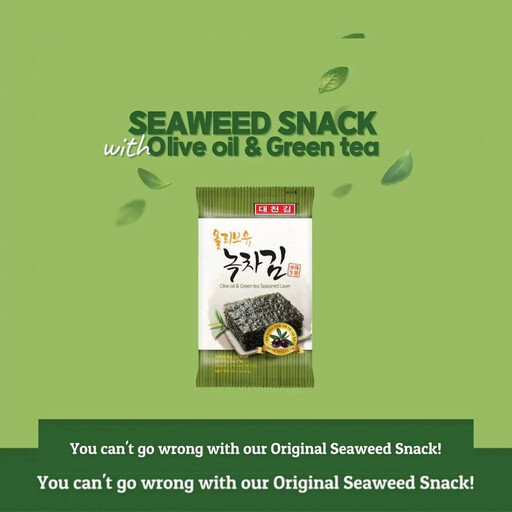
Why This Fits Their Persona: Suitable for shoppers seeking a light, crisp Korean snack with a clearly defined flavour combination and portable individual packs.
The product information lists the seaweed, oils, seasoning and allergens instead of relying only on a premium-style description.
Three packs with individual 4g portions; approximately 16 kcal per pack; ready to eat.
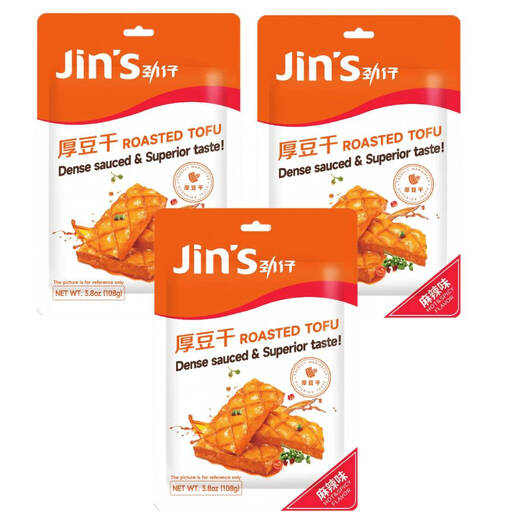
Why This Fits Their Persona: A three-pack format suits regular spicy-snack buyers, shared tasting sessions and people who prefer a chewy texture over crisps.
The product page states the soya allergen and identifies flavour enhancers, helping buyers assess the seasoning rather than guessing from the word “spicy”.
Thick-sliced tofu with a chewy texture; 14.2g protein per 100g; three 108g packs.

Why This Fits Their Persona: The 18-sachet format is convenient for sharing at home, serving with tea or keeping in an office cupboard.
The pack count is stated clearly, so shoppers can compare individual portions instead of assuming a large bag is already portioned.
469g total weight; 18 individual sachets; ready to eat; contains wheat, egg and milk.
We have compiled a complete, real-time list of products that fully satisfy these strict selection criteria and UK safety regulations.
Individually wrapped prunes, seaweed packs and small ready-to-eat crackers are convenient options because they require no preparation. Always check school or workplace allergy policies and keep the original label available.
Many are, including large packs of sachima, mahua twisted dough, chocolate sweets and puffed millet snacks. For mixed groups, serve products with clearly stated allergens separately and avoid transferring food into an unlabelled bowl.
Most shelf-stable products should be kept in a cool, dry place away from direct sunlight. Reseal crisp snacks after opening and follow the package instructions. Products with a “consume immediately after opening” instruction should not be stored for later use.