
24/7 Customer Support

Free returns

Same-day & Next-day Delivery

Quality Guaranteed

Unlock Your Welcome Offers: FREE Delivery | Up to 80% OFF | Free 30-day JoyPlus trial
Download the APP
Buying Asian snacks online can open the door to Korean, Japanese, Chinese and Filipino favourites, as well as a wider selection of world food snacks. However, attractive packaging and unfamiliar product names do not always tell you what you need to know. Flavour intensity, allergens, portion size and storage requirements can vary considerably between products.
This guide explains the practical checks worth making before you buy, whether you are filling a student cupboard, preparing a party platter or looking for ready-to-eat snacks for work and travel.
A bigger bag is not necessarily more economical if the contents lose their crispness before they are finished. Compare the net weight, number of individual portions and how quickly your household is likely to eat the product.
Multipacks can be useful for lunchboxes and sharing, while smaller packs may suit occasional treats or office drawers. Individual servings, such as three 5g seaweed packs, can also reduce exposure to air after opening.
“Spicy”, “seafood flavour” and “seasoned” can mean very different things. Korean snacks may include chilli, kimchi seasoning or garlic, while Japanese snacks often use soya sauce, onion, garlic or ramen-style savoury seasoning. Chinese snacks may be salty, numbing or sweet-and-savoury.
Check whether a product is baked, roasted, fried, dried or chewy. This gives a more realistic indication of the eating experience than promotional wording such as “irresistible” or “moreish”.
Seaweed snacks may appear simple, but some contain sesame, soya sauce or wheat. Prawn crackers and shrimp crackers contain crustaceans, while pork crackling and chicharon are unsuitable for vegetarians and may include wheat or soya-based seasonings.
Always check the latest packet label. In the UK, packaged food should provide allergen information, but recipes and supplier details can change.
Look for allergens shown clearly in the ingredients list or highlighted allergen statement. Common examples across Asian snacks include:
“May contain” statements indicate possible cross-contact and should not be ignored when shopping for someone with an allergy.
Use the nutrition panel to compare products on a consistent basis, usually per 100g. Salt, sugars, saturated fat and energy can differ substantially even when two snacks look similar.
For example, the listed Baby Star Crispy Ramen Snack contains 4.5g of salt per 100g, while the hot shrimp cracker lists 1.5g of salt per 100g. These are not recommendations about health; they simply show why checking the label matters. A 45g pork snack has a different practical portion from a 250g bag of chin chin.
Crisp products are particularly sensitive to moisture. Seaweed snacks, rice crackers, prawn crackers, pretzels and ramen snacks should generally be stored in a cool, dry place, away from sunlight and humidity. Reseal opened bags promptly, or transfer the contents to an airtight container where the packet advises this.
For products such as cooked pork snacks, follow the stated instructions carefully. The ADVANCE Honey BBQ Cook Pork listing advises refrigeration after opening and prompt consumption.
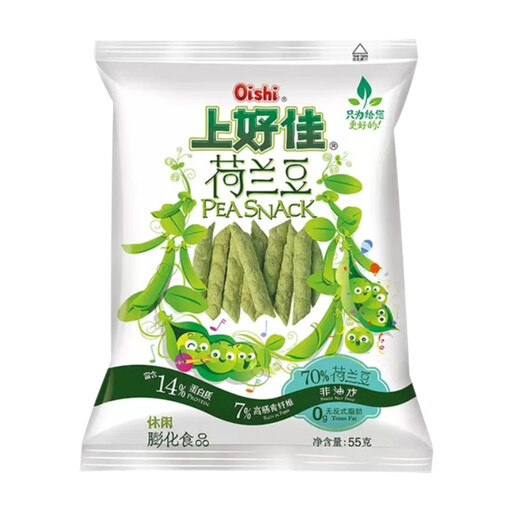
Why This Fits Their Persona: A compact 55g packet provides an accessible way to try a savoury Asian snack without committing to a large multipack.
The stated 70% Dutch pea content makes the primary ingredient easy to identify, rather than relying only on the flavour name.
Ready to eat; 55g format; listed ingredients contain Dutch peas, vegetable oil, corn flour, rice and starch.
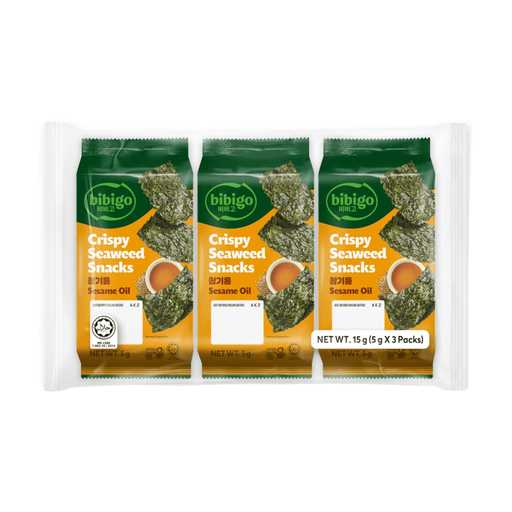
Why This Fits Their Persona: Individual 5g portions suit shoppers who value neat serving control and a crisp texture for lunchboxes, rice bowls or desk snacks.
The three separate packs help limit moisture exposure, unlike one large seaweed bag repeatedly opened.
Three 5g servings; roasted seaweed with sesame oil; ready to eat or use as a topping. Contains sesame.
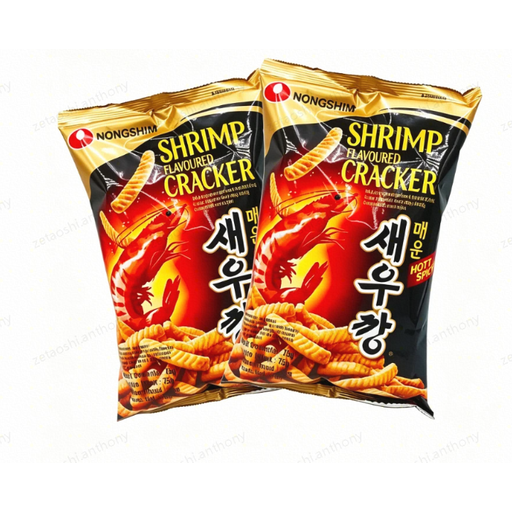
Why This Fits Their Persona: A two-pack works for spicy-snack fans planning a film night, group gathering or regular snack cupboard.
The listing identifies hot kimchi seasoning and states the presence of shrimp, fish, wheat and soya, making the flavour and allergen profile clearer.
Two 75g packets; baked rather than fried according to the listing; ready to eat. Contains crustaceans, fish, gluten and soya.
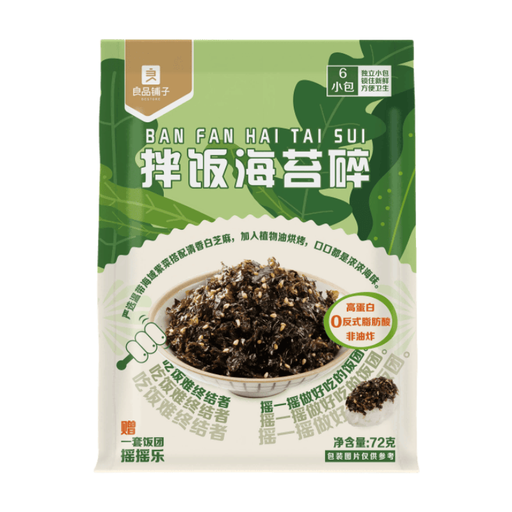
Why This Fits Their Persona: Suitable for shoppers who want one product that can be eaten directly or added to rice and noodles.
The ingredients list gives clear percentages for dried seaweed and sesame, allowing a more informed comparison with plain seaweed sheets.
72g pack; 30% dried seaweed and 29% sesame according to the listing; ready to eat or mix with rice and noodles.
We have compiled a complete, real-time list of products that fully satisfy these strict selection criteria and UK safety regulations.
For variety, combine contrasting textures and flavours:
For parties, place allergen-containing products in their original packaging or label serving bowls clearly. For lunchboxes, prioritise sealed, portioned packs and check whether the food is suitable for the intended age group.
Ready-to-eat snacks in compact packets are practical for desks, backpacks and commuting. Seaweed portions, pea snacks, ramen snacks and small rice-based products require no preparation. Check the salt and allergen information before making them regular purchases.
Store unopened products in a cool, dry cupboard away from sunlight and humidity. After opening, reseal the packet immediately. If the product instructions permit, an airtight container can help limit moisture exposure, although the packet’s storage guidance should take priority.
No. Prawn crackers contain crustaceans, and pork crackling contains pork. Seasonings may also add wheat, soya, fish or sesame. Read the full ingredient list and allergen statement each time, particularly when buying for guests, children or anyone with food allergies.