
24/7 Customer Support

Free returns

Same-day & Next-day Delivery

Quality Guaranteed

Unlock Your Welcome Offers: FREE Delivery | Up to 80% OFF | Free 30-day JoyPlus trial
Download the APP
Asian snacks cover a wide range of flavours, textures and formats, from Chinese snacks and Japanese snacks to Korean snacks, seaweed snacks, prawn crackers, spicy snacks and sweet snacks. That variety is useful, but it can also make online shopping difficult. Product photos may not show the full pack size, while terms such as “light”, “natural” or “authentic” do not always explain what you are actually buying.
Joybuy Product Recommendation Officer advice: focus on the label, portion format and intended use before adding items to your basket. This helps you avoid paying for unsuitable quantities, unexpected allergens or a flavour that does not match your preferences.
A 400g bag may appear economical, but it may not suit occasional snacking or households where freshness matters. Crisps, prawn crackers and baked snacks can lose their texture after opening, particularly if the bag is not resealed securely.
For lunchboxes, office drawers or shared events, individual packs can be more practical. For home use or cooking, a larger resealable pack may make more sense.
Seaweed snacks, dried fruit snacks and konjac products are often associated with lighter eating, but the complete nutrition panel still matters. Seasoned seaweed can contain considerable salt, while dried fruit naturally has concentrated sugars. Check energy, fat, saturates, sugars and salt per 100g, rather than relying on front-of-pack wording.
Asian snacks may contain wheat, gluten, soya, sesame, milk, egg, peanuts or crustaceans. Flavour enhancers, sweeteners and colours can also vary between products. For example, some items include warnings relating to specific colours, while others may contain sulphites or ingredients derived from cereals.
Always read the ingredients and allergen statement on the product packaging. Online information can change, so use the physical label as the final reference, particularly when buying for children or anyone with a food allergy.
Choose the format according to how the snack will be used:
Look for the net quantity and number of inner packs. A 20-pack of 25g crisps, for instance, offers a different value and storage experience from one 500g bag.
“Crispy” can refer to potato crisps, puffed wheat snacks, roasted seaweed or tapioca-based prawn crackers. These products behave differently once opened.
Check storage instructions, especially where the product advises consuming promptly after opening or keeping it away from humidity and direct sunlight.
Food sold in the UK should provide relevant ingredient and allergen information, but imported products can have different recipes from similarly named items in other markets. Check the current packaging for:
A product can be suitable for one dietary preference but unsuitable for another. For example, roasted seaweed may contain sesame and soya, while prawn crackers contain crustaceans. Treat “no trans fat” or “non-fried” as a specific product detail, not as a general nutritional endorsement.
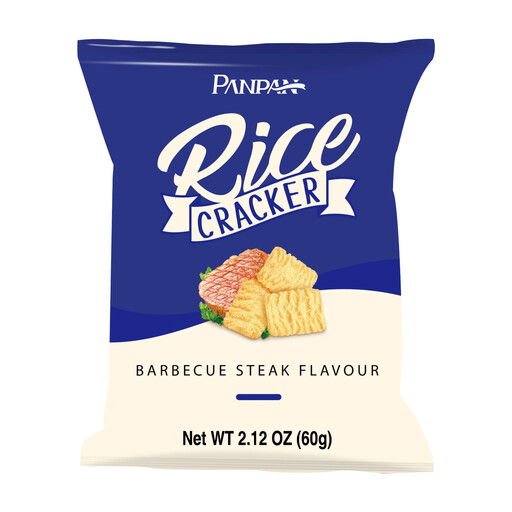
Why This Fits Their Persona: A compact Chinese snack for shoppers trying a savoury, seasoned option without buying a large multipack.
The 60g pack makes the quantity clear, reducing the risk of committing to an oversized bag before you know whether the BBQ steak flavour suits you.
Ready to eat, with wheat starch and corn grits listed for a layered crispy texture. Contains wheat, soya and egg.
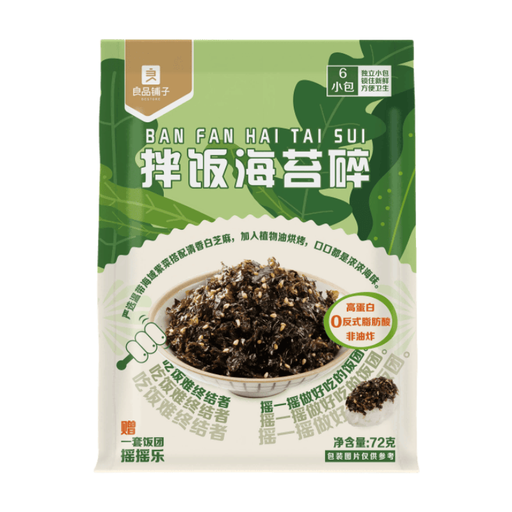
Why This Fits Their Persona: Suitable for food enthusiasts who want a Japanese- or Chinese-style pantry ingredient that can be eaten directly or used with everyday meals.
The ingredient list identifies dried seaweed at 30% and sesame at 29%, so shoppers can judge the product by its composition rather than vague “superfood” wording.
Ready to eat or suitable for mixing with rice and noodles. The listed allergen is sesame.
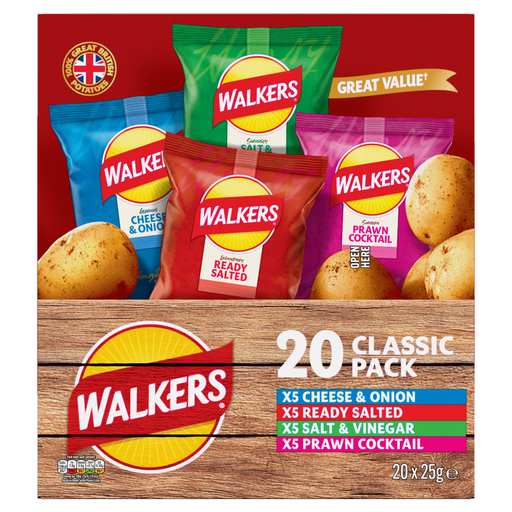
Why This Fits Their Persona: A practical option for families, parties, student homes and workplaces needing many individually portioned savoury snacks.
Twenty 25g packs make serving size and distribution straightforward, while the four flavours avoid buying one large bag that may not suit everyone.
Includes cheese and onion, salt and vinegar, prawn cocktail and ready salted flavours. Suitable for vegetarians; contains milk in the cheese and onion variety.
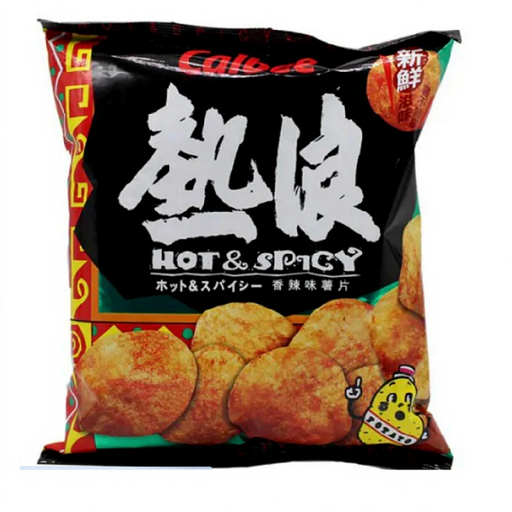
Why This Fits Their Persona: A small Japanese snack-style pack for shoppers looking for a direct chilli flavour and a convenient single-serve format.
The 55g quantity and listed spicy seasoning make the flavour and commitment clear, rather than presenting heat as an unspecified marketing claim.
Thinly sliced potato format with chilli and spice seasoning. Ready to eat; check the current packaging for allergen information.
We have compiled a complete, real-time list of products that fully satisfy these strict selection criteria and UK safety regulations.
For a household or party, combine contrasting formats rather than buying several similar crisps. A practical basket could include:
Keep unopened products in a cool, dry cupboard. Reseal opened bags promptly and follow the stated storage instructions. Dried dates, for example, can be eaten directly or added to baking, while nori and seaweed flakes need protection from moisture to retain their texture.
Popular choices include Chinese snacks with savoury or spicy seasoning, Japanese potato crisps and nori, Korean sweet snacks, prawn crackers, seaweed snacks and dried fruit. The right option depends on whether you want a ready-to-eat snack, a lunchbox portion, a party bowl or an ingredient for meals.
Some are suitable depending on the ingredients and texture, but check the label first. Look for allergens, spice level, choking warnings and additive notices. Prawn crackers and small, firm snacks may require particular care with young children. Follow the age and safety information supplied on the packaging.
Store them in a cool, dry place and keep moisture out. Reseal bags tightly or transfer suitable products to an airtight container. Individually wrapped multipacks can help preserve freshness because each portion remains sealed until needed.