
24/7 Customer Support

Free returns

Same-day & Next-day Delivery

Quality Guaranteed

Unlock Your Welcome Offers: FREE Delivery | Up to 80% OFF | Free 30-day JoyPlus trial
Download the APP
Asian snacks and dim sum can make breakfast, tea time and sharing meals more convenient, but attractive packaging does not always tell you what you need to know. Frozen Chinese steamed buns may require different preparation from ready-to-eat Asian pastries, while a large pack is not automatically good value if storage space is limited.
For UK households, the most useful checks are the ingredient list, allergen information, storage instructions and the number of servings. These details help you avoid buying products that do not suit your diet, cooking equipment or household routine.
Some Asian pastries and crispy rolls can be eaten straight from the packet. Frozen dim sum, mantou buns and bao buns usually need steaming, baking or another cooking method. A product that looks convenient may be unsuitable if you only have limited time or no steamer.
Always check whether the item is:
Cooking guidance can vary between similar-looking products, so follow the instructions on the packaging rather than relying on appearance.
Dietary suitability depends on the full ingredient list and certification, not just the product name. For example, vegetable rolls may contain mustard, while sweet pastries can include milk or egg. Char siu buns and Chinese sausage buns contain pork, and sesame paste buns may not suit people avoiding sesame.
UK shoppers should look for allergens emphasised on the label, including wheat, gluten, soya, sesame, milk, egg, mustard, molluscs and nuts where relevant. If you have an allergy or follow a strict dietary requirement, check the latest packaging before purchase because formulations can change.
A 1.2kg pack of Hirata buns may work well for a family or regular home cook, but it can take considerable freezer space. Conversely, a 150g packet of Thai crispy rolls may be more suitable for a desk drawer, student kitchen or occasional snack.
Compare net weight, piece count, storage requirements and use-by or best-before information. Frozen products should generally be kept at -18°C or below, and food should not be refrozen after thawing unless the packaging specifically states otherwise.
Frozen dim sum needs reliable freezer capacity and careful handling during delivery and storage. Products such as char siu buns, red bean buns and plain mantou buns are practical when you want to keep several portions available, but they should remain frozen until preparation.
Ambient Asian pastries and crispy rolls are easier to store in a cupboard. Keep them in a cool, dry place, away from sunlight and moisture, and consume them promptly after opening if the packaging recommends it.
The filling determines how a snack works in a meal:
Check whether the instructions recommend steaming, microwave heating, oven cooking or air frying. For frozen food, ensure it is piping hot throughout before serving.
Ingredient lists are particularly important when shopping across Chinese, Korean and Thai cuisines. A Korean fish-shaped bun may contain wheat, egg and soya, while Thai crispy rolls can contain coconut, egg and sesame. Some products are labelled halal or vegetarian, but the precise product description and packaging should remain the final reference.
Nutrition panels can also help compare options. For instance, some sweet crispy rolls are relatively high in carbohydrate and sugar, while soybean-based hot pot ingredients provide a different texture and use.
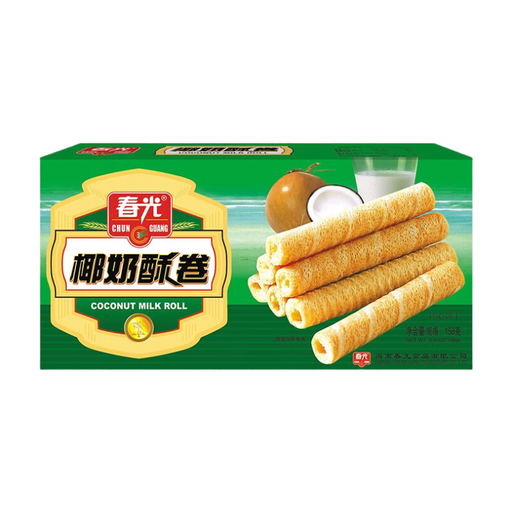
Why This Fits Their Persona: A cupboard-friendly option for shoppers who want a sweet Asian pastry without planning a full cooking session. Individually wrapped pieces are convenient for packed lunches, study breaks or sharing.
It is clearly described as ready to eat and stored in a cool, dry place, avoiding the confusion between ambient snacks and frozen dim sum.
Ready to eat; individually wrapped; contains coconut milk, milk and egg for a defined flavour profile.
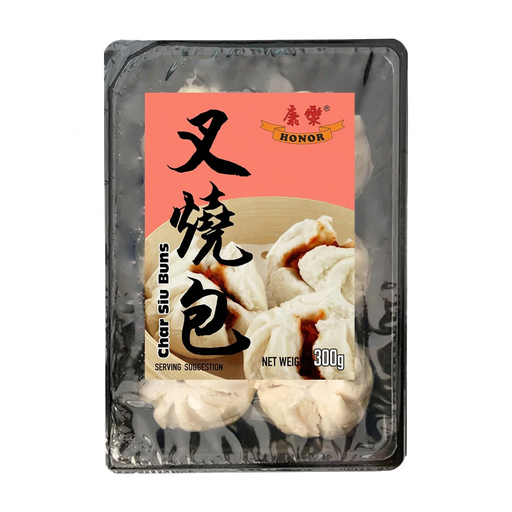
Why This Fits Their Persona: Suitable for shoppers recreating a steamed dim sum course at home, particularly when a soft bun and sweet-savoury Cantonese-style filling are the priority.
The product information identifies the pork filling, frozen storage and steaming method, so buyers can assess suitability before ordering.
300g pack; steamed preparation; contains wheat, gluten, soya and sesame, with allergen details supplied.
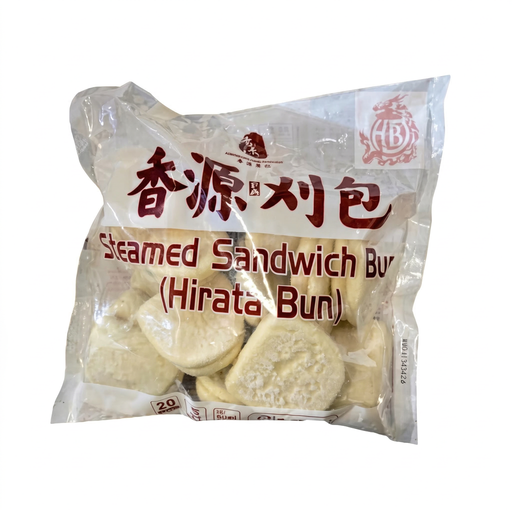
Why This Fits Their Persona: A larger pack for families, regular meal planners and home cooks preparing Taiwanese-style filled buns or gua bao-style meals.
The 1.2kg quantity makes the intended high-volume use clear, while the product page specifies frozen storage and thawing before steaming.
Large 1.2kg quantity; designed for filling; wheat is listed as the allergen.
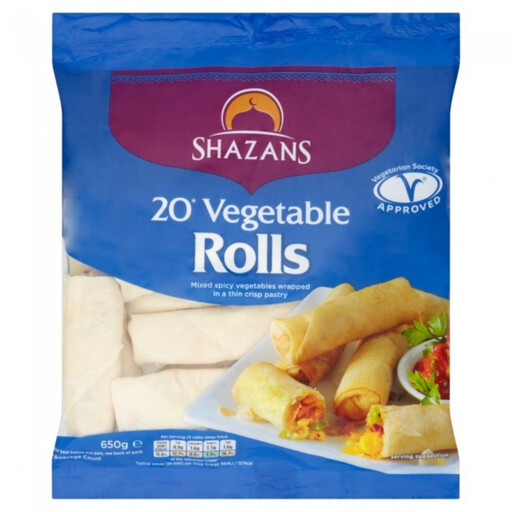
Why This Fits Their Persona: A practical sharing option for households looking for a vegetarian and halal-certified frozen snack with oven and air-fryer instructions.
The 20-piece count, halal certification and cooking times are stated, making portion planning and dietary checking more straightforward.
650g pack with 20 pieces; suitable for oven, deep fryer or air fryer; vegetable filling with wheat and mustard allergens.
We have compiled a complete, real-time list of products that fully satisfy these strict selection criteria and UK safety regulations.
For a sweet option, red bean buns provide a soft steamed exterior with a sweet filling, while pandan-flavoured silver thread buns offer a distinctive Southeast Asian aroma. Korean fish-shaped buns are another convenient dessert-style choice, with sweetened red bean paste listed in the filling.
For savoury cooking, soybean rolls can be added to hot pot ingredients, soups and stir-fries. Thai crispy rolls in taro or pandan flavours are ambient snacks suited to tea or coffee. Shoppers seeking Asian snacks online in the UK can therefore build a mixed order around storage space, preparation time and dietary needs.
Ready-to-eat crispy rolls require no cooking. Among frozen options, steamed buns and vegetable rolls are convenient when you have a steamer, oven or air fryer. Always follow the individual product instructions, as cooking times differ.
Use the best-before date printed on the packaging and maintain storage at -18°C or below where specified. Once thawed, do not refreeze. Some products should be consumed within 24 hours after thawing, while opened items may have a shorter recommended period.
Some products, including certain vegetable rolls, provide air-fryer guidance. Steamed buns are generally intended for steaming or microwave heating instead. Check the product instructions before using an air fryer, and ensure the centre is fully hot before serving.