
24/7 Customer Support

Free returns

Same-day & Next-day Delivery

Quality Guaranteed

Unlock Your Welcome Offers: FREE Delivery | Up to 80% OFF | Free 30-day JoyPlus trial
Download the APP
Asian snacks and drinks can make lunchboxes, office drawers and weekend sharing more interesting, but product descriptions do not always tell the full story. A small pack may offer only a few portions, a “matcha” biscuit may contain relatively little matcha powder, and a protein shake may not suit everyone’s dietary needs.
This guide explains what UK shoppers should check before buying Japanese snacks, Korean biscuits, chocolate biscuits, matcha cookies, strawberry biscuits, chocolate milk drinks and nutritional beverages online.
Words such as “matcha”, “strawberry” or “chocolate” describe the flavour profile, not necessarily the amount of the featured ingredient. For example, the KitKat Matcha Flavour Cookies contain 2.5% matcha powder, while the Meiji Chocoroom Strawberry Flavour Biscuits list 1.0% strawberry powder.
This does not automatically make either product unsuitable. It simply means shoppers should read the ingredients list rather than assuming the flavour name indicates a high concentration of the headline ingredient.
Asian sweets and biscuits often come in compact packs designed for individual snacking. A 40g or 48g packet may be convenient for a handbag, school bag or desk, but larger multipacks can offer better value for families or offices.
Check:
Chocolate snacks, chocolate milk drinks, protein shakes and meal replacement shakes serve different purposes. A sweetened malt drink is not equivalent to a high-protein beverage, and a meal replacement powder should not automatically be used as a general snack.
Check the energy, sugar, protein, fibre, fat, salt and serving size. Also review usage instructions, particularly for products that advise a maximum daily amount.
UK shoppers should look for allergens clearly highlighted on the product label. Common ingredients in this selection include wheat, gluten, milk, soya, barley and egg. Some products may also carry precautionary advice about nuts or sesame.
For example:
Recipes and packaging can change, so customers with allergies or intolerances should always check the latest physical label before consumption.
Per-100g information makes biscuits and cookies easier to compare. For drinks and shakes, per-bottle figures are often more useful.
The Applied Nutrition Double Chocolate Protein Shake provides 42g of protein per 500ml bottle, while the 330ml version provides 20.2g per bottle according to the supplied product information. These are substantially different serving sizes, so compare like with like.
For sweet treats, portion control is more practical than relying on flavour descriptions. The 113g KitKat Matcha Flavour Cookies list approximately 485 kcal per 100g, while the Meiji Chocoroom Strawberry Biscuits list 566 kcal per 100g.
Ready-to-eat biscuits are useful for travel, lunchboxes and office snacks, but should generally be kept in a cool, dry place away from sunlight and humidity. Reseal opened packs to help preserve texture.
Powdered drinks such as Milo and Cadbury Highlights require preparation with liquid, while ready-to-drink products can be consumed immediately. Opened milk-based drinks and protein shakes usually need refrigeration and should be consumed within the period stated on the label.

Why This Fits Their Persona: The 40g pack is a manageable way to try Japanese snacks without committing to a large multipack. Its small format also suits student desks, individual treats and lunch bags.
The listed 40g net weight makes the portion clear, while the ingredients identify strawberry powder at 1.0% rather than implying an unspecified fruit content.
Compact 40g pack; strawberry-flavoured coating; ready to eat.
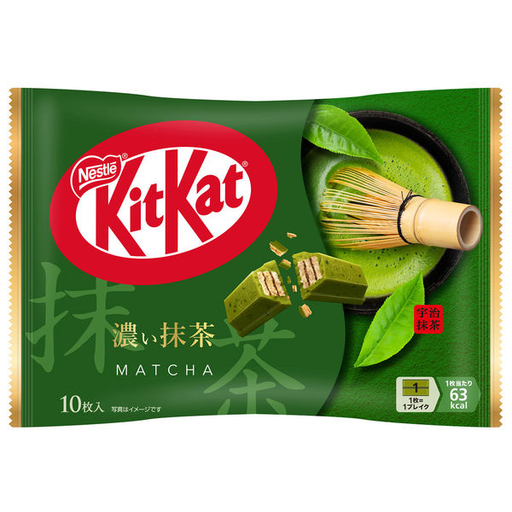
Why This Fits Their Persona: A larger 113g pack offers more to share with guests or serve alongside tea and coffee. It is also suitable for shoppers seeking a Japanese-inspired matcha cookie rather than a plain biscuit.
The ingredient list states 2.5% matcha powder, allowing shoppers to judge the product with a clear figure rather than relying only on the flavour name.
113g pack; made in Japan according to the supplied details; pairs with tea, coffee or milk.
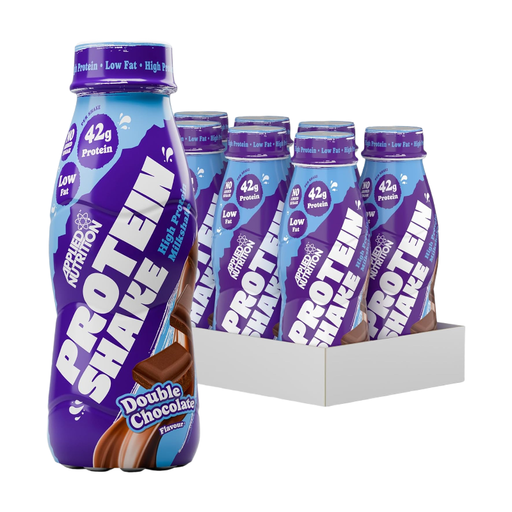
Why This Fits Their Persona: The 8 x 500ml format suits gym-goers, commuters and office workers who want a ready-to-drink option without carrying powder and a shaker.
The bottle size, protein quantity and storage instructions are specified. It is easier to compare with other protein shakes using the per-bottle figures.
42g protein per 500ml bottle; ready to drink; 240 kcal per bottle according to the supplied nutrition information.
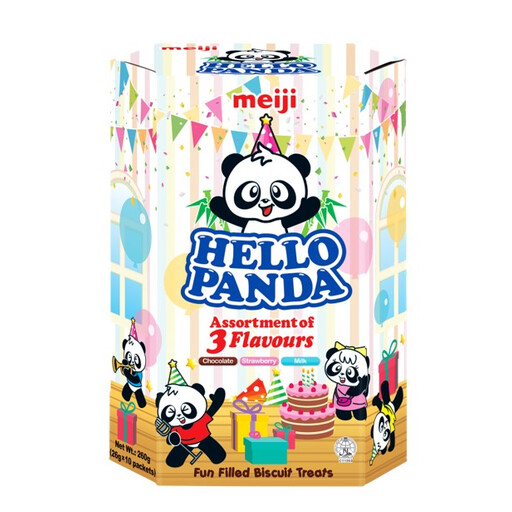
Why This Fits Their Persona: The 260g assortment gives families, parties and workplace snack tables three flavours to share: strawberry, chocolate and milk.
The assortment and 260g net weight are clearly stated, so shoppers can assess variety and quantity before ordering.
Three listed flavours; larger party pack; Japanese country of origin according to the product details.
We have compiled a complete, real-time list of products that fully satisfy these strict selection criteria and UK safety regulations.
For chocolate biscuits, compare Meiji Chocoroom Chocolate Flavour 40g with Orion Biscuit Milk Chocolate Flavour 48g. Those seeking a fruit-led option can consider Orion Biscuit Strawberry Yogurt Flavour 41g or the strawberry selection in the Meiji party pack.
For chocolate snacks with a lighter, crisp texture, I MEI Mini Cream Puffs and Mi Lao Tou Multigrain Snacks offer individually packed or resealable formats. Glico Pejoy Wine Chocolate Flavour contains only 0.01% red wine in the listed ingredients, so it should be viewed as a chocolate-filled biscuit with a subtle flavour reference rather than an alcoholic drink.
For malted chocolate drinks, Milo combines malt extract, cocoa, milk solids, vitamins and minerals. Cadbury Highlights is a powdered milk chocolate drink with preparation instructions and a listed “low sugar” statement that should be assessed against the product’s serving information.
Check the net weight, ingredients, highlighted allergens, nutrition per 100g or serving, country of origin, storage instructions and best-before information. Product descriptions can change, so confirm details on the packaging when it arrives.
No. Protein shakes are generally positioned as a convenient source of protein, while meal replacement products are formulated for use in place of specified meals and include additional nutrients. Follow the label instructions and do not use either product as a substitute for a varied diet without considering your individual needs.
Follow the product label. Many milk-based ready-to-drink products require refrigeration after opening and should be consumed within 12 or 24 hours. Powdered products should normally be kept sealed in a cool, dry place and protected from humidity.