
24/7 Customer Support

Free returns

Same-day & Next-day Delivery

Quality Guaranteed

Unlock Your Welcome Offers: FREE Delivery | Up to 80% OFF | Free 30-day JoyPlus trial
Download the APP
Finding Asian snacks and instant meals online in the UK can be convenient, but product pages do not always make comparisons straightforward. A colourful packet may suggest an authentic regional flavour, while the practical details—storage, allergens, preparation time and portion size—require closer attention.
This guide highlights the main buying pitfalls and explains how to choose Korean snacks, Japanese biscuits, Vietnamese pho noodles, frozen kimbap and other world food products for everyday eating, lunchboxes, work, study, family sharing or gifting.
Instant noodles and rice noodle soup still need preparation. For example, a Vietnamese pho packet may require boiling water or cooking for several minutes, while frozen Korean kimbap needs microwave heating. Check whether the product is:
This distinction matters if you need a desk lunch, student meal or snack that can be eaten immediately.
Words such as “spicy”, “chicken”, “beef” or “barbecue” describe the intended flavour profile, not necessarily the quantity of that ingredient. Some instant meals use seasoning, flavourings, textured vegetable protein or fish sauce components. Always review the ingredients list, especially if you avoid meat, fish, shellfish or particular additives.
A multipack may offer convenient individual portions, but a single 40g biscuit pack may be more suitable for a lunchbox or small treat. Frozen foods also need reliable freezer space and must generally be kept at -18°C or below. Do not assume that a product can be refrozen after defrosting; check the packaging instructions.
UK food labels should identify relevant allergens clearly, commonly in bold type. Depending on the product, these may include wheat, milk, soya, sesame, egg, fish, peanuts, mustard, celery or crustaceans.
For example, Nongshim Chapagetti contains wheat, soya, shrimp, peanuts, sesame and mustard, while Hanss Kimbap with Tuna lists fish, soya, wheat, sesame and celery. Meiji Hello Panda Biscuits contain wheat, milk and soya, with possible traces of eggs, peanuts and tree nuts. If you have an allergy or intolerance, read the current pack rather than relying solely on a product title or image.
Weight alone does not determine value. Compare:
For shared cupboards, multipack snacks can reduce the need for frequent reordering. For portion control at work or school, individually packed snacks may be easier to manage.
Biscuits, crisps, wafers and sweet snacks are generally intended as treats or convenient snacks. Compare sugar, saturated fat and salt values where these are important to your household. A product described as “light” or “fun” should not be treated as a nutritional claim.
For example, Meiji Chocoroom Strawberry Flavour contains 566kcal and 37.8g sugar per 100g, while bibigo Crispy Seaweed Snacks Sesame are sold in three 5g packs and are designed as small savoury portions or toppings. Use the serving information to decide whether the product suits your occasion.
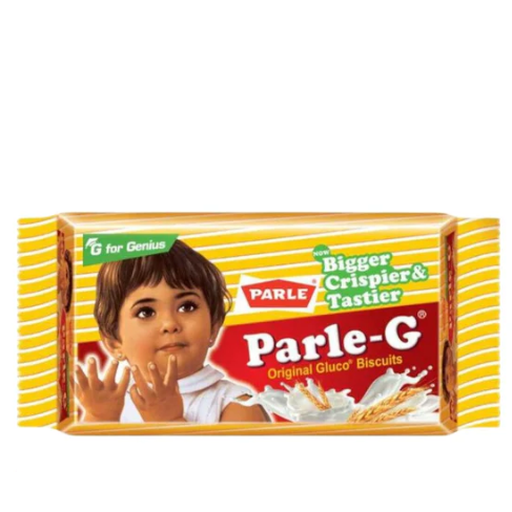
Why This Fits Their Persona: A compact, ready-to-eat biscuit pack for tea breaks, travel, study sessions or trying South Asian biscuits without committing to a large multipack.
The listing states that it is ready to eat, with storage guidance for keeping the biscuits dry and crisp after opening.
Ready to eat; contains wheat, milk and soya, with clear pack-size information for simple cupboard planning.
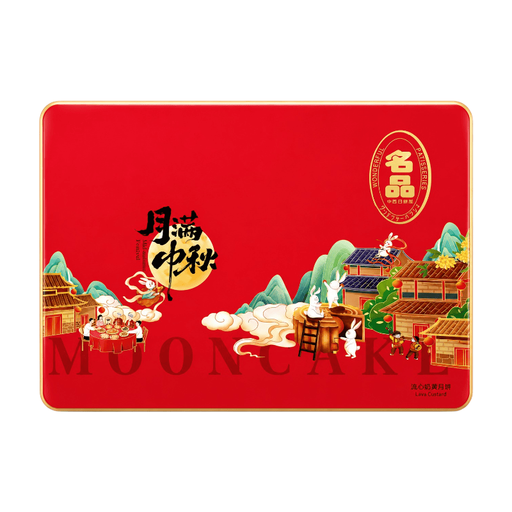
Why This Fits Their Persona: A boxed Chinese-style pastry suited to gifting, seasonal occasions or shoppers seeking a more distinctive sweet snack format.
The 360g gift-box format, ingredient list and storage instructions make the intended occasion and handling requirements clear.
Ready to eat; includes a custard centre and lists wheat, egg and milk allergens for informed gifting.

Why This Fits Their Persona: Designed for shoppers who want a substantial Korean-inspired noodle meal that can be prepared on the hob in around five minutes.
The preparation method specifies boiling, draining and mixing, so it is not mistaken for a ready-to-eat or soup-style product.
140g pack; five-minute cooking time; suitable for customising with spring onions, cucumber, kimchi or egg.
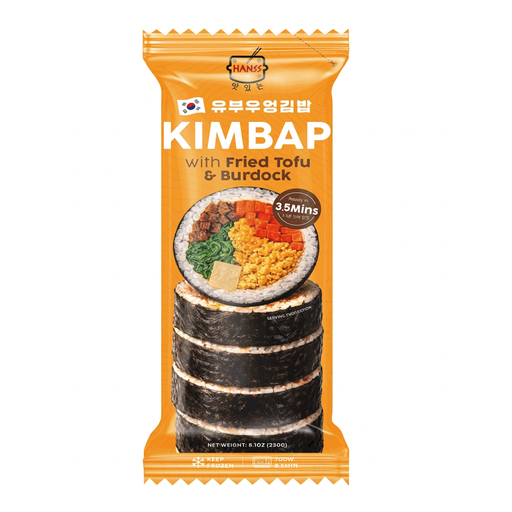
Why This Fits Their Persona: A frozen Korean meal for home workers, solo diners or families wanting a microwave option without assembling kimbap from separate ingredients.
The listing clearly states frozen storage at -18°C or below, a 700W microwave time of approximately 3 minutes 30 seconds and a no-refreezing instruction.
230g meal format; includes seasoned rice, tofu, burdock, vegetables and seaweed; microwave preparation.
We have compiled a complete, real-time list of products that fully satisfy these strict selection criteria and UK safety regulations.
Preparation varies by format. Nongshim Chapagetti requires around five minutes on the hob, while Kool Cung Dinh Vietnamese pho packets are described as ready in approximately three to five minutes. Frozen kimbap requires microwave heating, and frozen shumai may need 10–15 minutes of steaming. Always follow the current pack instructions.
Yes, provided the freezer can maintain -18°C or below and there is enough space to keep the packaging flat or protected. Do not refreeze after defrosting, and check the best-before information before purchase.
Ready-to-eat options such as individually packed seaweed snacks, Japanese biscuits, Parle G biscuits and multipack savoury snacks are practical for lunchboxes. Check the allergen information, packaging condition and school or workplace food policies before packing.