
24/7 Customer Support

Free returns

Same-day & Next-day Delivery

Quality Guaranteed

Unlock Your Welcome Offers: FREE Delivery | Up to 80% OFF | Free 30-day JoyPlus trial
Download the APP
Asian snacks and instant meals make it easy to try new flavours without planning a full recipe. From Korean snacks and Japanese noodles to Chinese snacks, ready meals and sweet treats, there is plenty of choice for lunch breaks, student kitchens, family sharing and late-night cravings.
However, attractive packaging can hide details that matter more than the flavour photograph. A quick check of the ingredients, serving format and preparation method can help you avoid buying something unsuitable, unexpectedly spicy or poor value.
Plant-based snacks are not automatically vegan, gluten-free or allergen-free. Wheat gluten, soya, sesame, milk and mustard appear frequently in Asian-inspired products. Some products may also contain traces of other allergens because of shared manufacturing facilities.
For example, wheat-gluten snacks can offer a chewy, meat-like texture, but they are not suitable for people avoiding gluten. Always check the current UK label, particularly if you have an allergy or follow a vegan diet.
“Ready in minutes” can mean different things. Some instant noodles require a saucepan, draining and stir-frying, while microwave ready meals may only need heating and stirring. A product designed for a kitchen is less convenient if you need an office lunch with limited equipment.
Check whether you need a microwave, kettle, hob, pan, measuring water or additional ingredients before ordering.
A sharing bag, multipack and single serving are not interchangeable. A 250g ready meal may be designed for one person, while a 54g chocolate biscuit stick pack is more suited to a small snack. Compare net weight, number of portions and price per 100g rather than relying on the size of the outer packaging.
UK food labels should identify relevant allergens clearly, usually in bold type. Look for:
“Vegetarian” describes the absence of meat and fish, but it does not necessarily mean vegan. If you are buying vegetarian snacks or plant-based snacks, check the complete ingredient list and allergen statement.
For a work or university lunch, a microwaveable meal can be simpler than noodles requiring a saucepan. Ben’s Original Street Food Chinese Chow Mein Noodles and Japanese Teriyaki Noodles are listed as microwave meals that take 90 seconds at 800W, followed by stirring and standing.
By contrast, Korean Street Chicken Ramen requires boiling water, cooking for around three to four minutes, draining most of the water and mixing in sauce. Korean Street Mapo Topokki requires a pan, approximately 100ml of water and three to four minutes of cooking.
Follow the instructions on the packaging, as microwave wattage and preparation steps can vary.
Spice descriptions are not always standardised. “Mala”, chilli, jalapeño and Korean chicken flavours can each produce a different balance of heat, sweetness and Sichuan pepper numbness. If you are new to spicy snacks, choose a milder seasoning or a smaller pack first.
Texture also affects satisfaction. Tteokbokki uses chewy rice cakes, while ramen offers springy noodles and pretzel snacks provide a crisp bite. Review salt, sugar and saturated fat per serving as well as per 100g, especially when comparing ready-to-eat snacks.
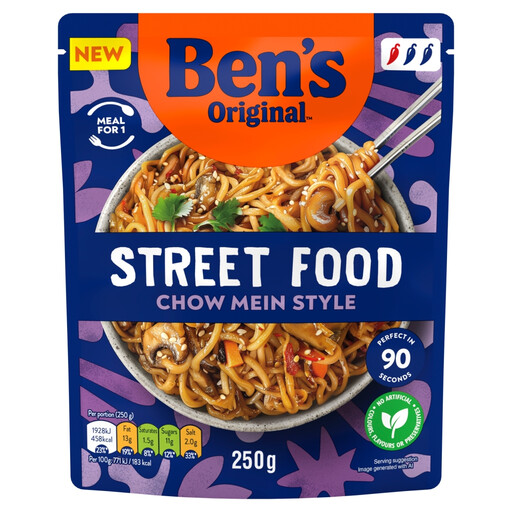
Why This Fits Their Persona: A single 250g vegetarian ready meal suits students, commuters and anyone needing a quick lunch with minimal washing up.
The preparation time and serving format are clearly stated: microwave on full power for 90 seconds at 800W, then stir and stand for one minute.
Contains mushrooms, carrots, red pepper and water chestnuts; listed as suitable for vegetarians. Contains wheat, sesame and soya.
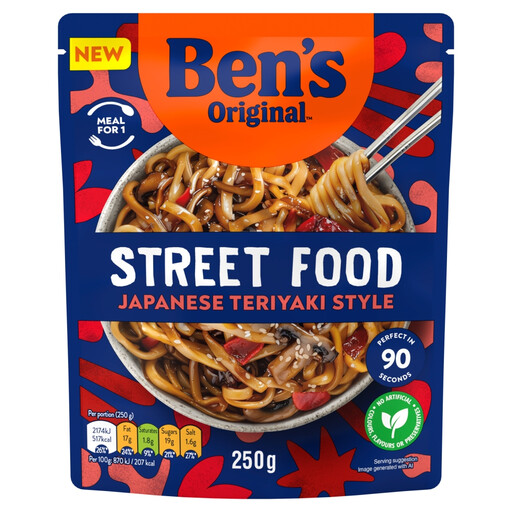
Why This Fits Their Persona: Suitable for shoppers wanting a convenient vegetarian meal with a sweet and savoury teriyaki-style profile.
The product description identifies the microwave method and lists key ingredients rather than relying only on flavour-led packaging.
250g single portion; contains noodles, mushrooms and water chestnuts. Contains wheat and soya, with possible traces of several other allergens.
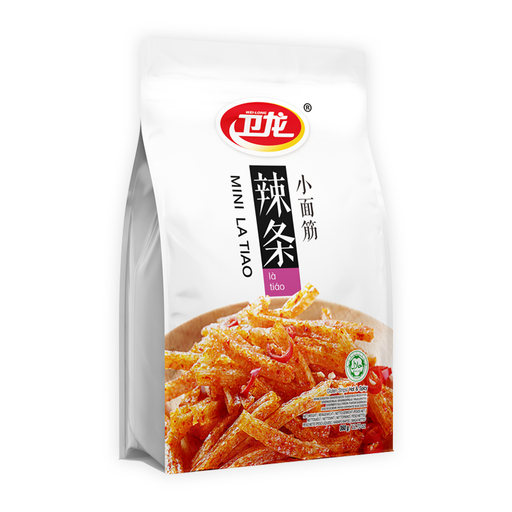
Why This Fits Their Persona: A 12-pack sharing format works for parties, gaming sessions and households that regularly reach for spicy Chinese snacks.
The pack size, ready-to-eat format and ingredient warnings are stated clearly, so shoppers can assess both quantity and dietary suitability.
360g format with individual packs; seasoned with chilli, Sichuan pepper and cumin. Contains wheat, soya and mustard.
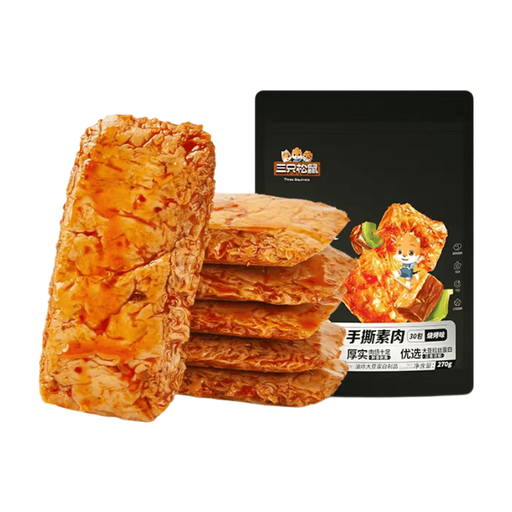
Why This Fits Their Persona: The individual-piece format suits meat reducers, vegetarians and vegans seeking a chewy snack or topping for rice bowls and noodle dishes.
The ingredient list identifies soy pulled protein at 80% and states that the product is ready to eat, helping clarify what the texture and format are based on.
270g pack containing 30 individual pieces; listed as ready to eat and suitable for adding to noodles or rice dishes. Contains soya.
For a Korean-style meal, Korean Street Mapo Topokki provides rice cakes with a sauce pouch and seasoning powder, while Korean Street Chicken Ramen is available as either a 128g bag or a 112g bowl. The bowl format may suit a desk lunch where a kettle is available.
For sweet Korean snacks, Korean Street Crunky Choco Stick combines biscuit sticks, chocolate coating and cookie crumbs. Korean Street Popping Choco Stick adds popping candy instead. Both contain wheat, milk and soya; the Crunky variety also contains peanuts.
For sharing, options include Laila Cheese and Onion Grills, Potae Potato Snack and Pretzel Pete Sour Cream & Chive Pretzel Mix. Check pack-specific allergen information: potato snacks can include milk, soya, peanuts or cereals containing gluten, while pretzel products are generally wheat-based.
We have compiled a complete, real-time list of products that fully satisfy these strict selection criteria and UK safety regulations.
Yes, provided your workplace has the required equipment. Cup noodles usually need a kettle, while microwave ready meals need a microwave and may require stirring or standing time. Check the preparation instructions and allow time for the container and food to cool before eating.
No. Vegetarian products can contain milk, whey, egg or other animal-derived ingredients. Review the ingredients and allergen statement for each product. Also note that wheat-gluten and soya-based snacks may be plant-based but are unsuitable for people with specific allergies or intolerances.
Unopened ambient products are generally stored in a cool, dry place away from direct sunlight, but follow the packaging for the specific item. Ready-to-eat snacks should usually be consumed soon after opening, while opened pretzels and crisps should be resealed to retain their texture. Always check the best-before information on the pack before serving.