
24/7 Customer Support

Free returns

Same-day & Next-day Delivery

Quality Guaranteed

Unlock Your Welcome Offers: FREE Delivery | Up to 80% OFF | Free 30-day JoyPlus trial
Download the APP
Shopping for Asian snacks online UK shoppers can enjoy at home is convenient, but product pages do not always make comparisons easy. A colourful package may suggest an authentic regional flavour, while the actual pack is smaller than expected, contains an allergen you did not anticipate or requires freezer storage.
Whether you are looking for Chinese snacks, Korean snacks, Japanese-style snacks or Indonesian snacks, a sensible purchase starts with the information behind the packaging. This guide explains the main pitfalls to avoid, the details worth checking and a selection of products suited to different shopping needs.
A box may look suitable for sharing, but the net weight can vary considerably. A 40g wafer roll, a 100g bag of sweets and a 360g box containing individually wrapped portions serve very different purposes.
Check:
This is particularly important when comparing Asian sweets, Asian biscuits and crackers and spicy Asian snacks.
Many vegetarian Asian snacks use wheat gluten, soya, sesame or peanut-based seasonings. A plant-based product can still be unsuitable for people with food allergies or intolerances.
Read the full allergen declaration rather than relying only on terms such as vegetarian, meat-free or plant-based. UK food labelling rules require specified allergens to be emphasised in the ingredients list, but packaging and recipes can change, so check the current product information before eating.
Most sweets, crackers and individually wrapped snacks are ready to eat, but not every Asian snack is shelf-stable. Frozen Korean kimbap and glutinous rice balls need different handling from konjac snacks or traditional Chinese sweets.
Look for:
For vegetarian Asian snacks, inspect the ingredients for wheat gluten, soya, sesame, dairy, mustard and peanuts. For example, vegetarian beef-style snacks are often made with wheat gluten and soya sauce, while nut mixes may contain peanuts, sesame and possible traces of tree nuts.
If you are buying for a family, office or student accommodation, choose individually wrapped products where practical. This makes sharing easier, although each person should still check the allergen information.
The UK nutrition panel normally presents values per 100g, which is useful for comparing products. It may also show a per-serving value. Do not assume that “konjac”, “rice-based” or “fruit-flavoured” automatically means low in sugar, fat or salt.
For instance, the supplied konjac products list relatively low energy values per 100g, but their salt content differs by flavour. Meanwhile, sweets and mochi contain sugar as a central ingredient. Use the figures to compare like with like rather than treating a product description as a nutritional recommendation.
Product descriptions can reveal whether a snack is chewy, crispy, crunchy, soft or slowly dissolving. This matters when choosing:
“Hot and spicy” can cover a broad range, so regional flavour terms such as mala, chilli, garlic or sweet chilli provide more useful clues.

Why This Fits Their Persona: A compact Indonesian sweet for commuters, students or anyone trying Asian snacks online without committing to a large multipack.
The 100g net quantity and individually wrapped format make the amount clear and reduce exposure to moisture after opening.
Ready to eat, individually wrapped and made with 2% coffee extract according to the listed ingredients.
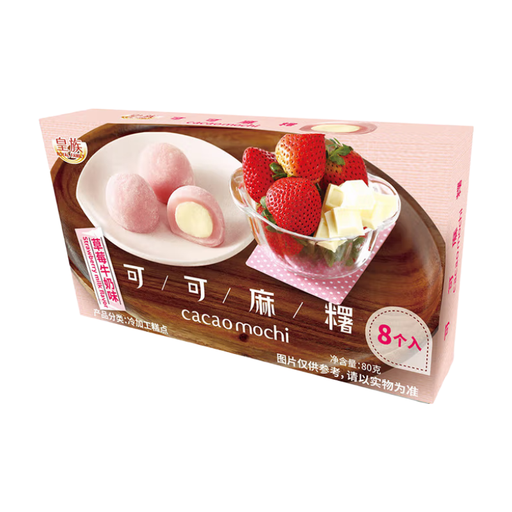
Why This Fits Their Persona: Suitable for afternoon tea, gifting or shoppers seeking a soft confectionery with contrasting cocoa and strawberry flavours.
The listed 80g quantity and clear ingredient information help set realistic expectations about portion and composition.
Soft glutinous rice coating, strawberry filling and cocoa powder; the product information lists no allergens.
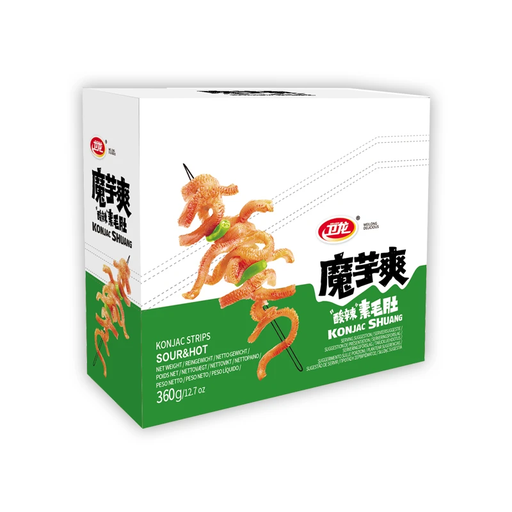
Why This Fits Their Persona: A practical choice for spice lovers, office drawers, student flats and group sharing, with approximately 20 small packs.
The box quantity and individual 18g portions are stated clearly; the product is shelf-stable and ready to eat.
Hot-and-sour seasoning, chewy texture and 109 kcal per 100g as listed; contains soya, which shoppers should check before ordering.
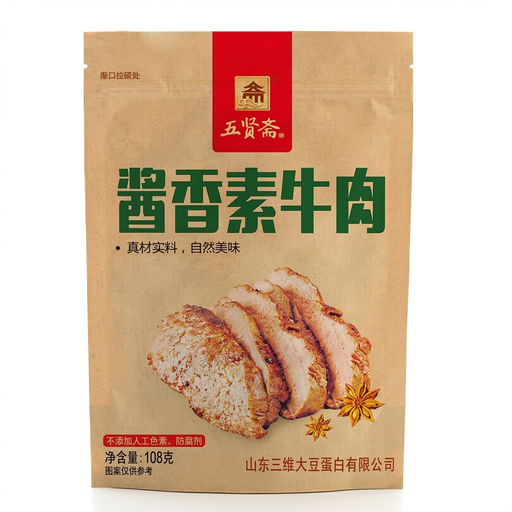
Why This Fits Their Persona: Designed for shoppers wanting a savoury, meat-free Chinese snack with a substantial wheat-gluten texture.
The ingredients identify wheat gluten and soya clearly, avoiding the assumption that vegetarian means free from common allergens.
Ready to eat, made in China and provides 20g protein per 100g according to the supplied nutrition information.
We have compiled a complete, real-time list of products that fully satisfy these strict selection criteria and UK safety regulations.
Delivery availability, charges and eligible postcodes vary by retailer and product type. Shelf-stable sweets, crackers and konjac snacks are generally simpler to ship than frozen items. Check the delivery information before adding frozen Korean snacks or glutinous rice products to your basket.
Follow the product label rather than relying on the category. Keep sweets, biscuits and dried snacks in a cool, dry place and reseal opened packs. Frozen products should remain at -18°C or below and must not be refrozen after thawing. Refrigeration may improve the texture of some mochi products, but the packaging instructions take priority.
Compare net weight, price per 100g, portion format, allergens, storage requirements and preparation instructions. This approach helps you distinguish a convenient everyday snack from a sharing box, gift item or frozen meal. It also makes it easier to find suitable Chinese snacks, Indonesian snacks, spicy Asian snacks and vegetarian Asian snacks without relying on packaging claims alone.